A Ten-Minute Walk Uphill
From Manado, it's a shared taxi ride of about forty-five minutes to Tomohon — the same highland town, the same cool air and volcanic light, that surrounds Woloan's house-building village a little further down the road. But this time I wasn't here for houses. I got out, walked ten minutes up a hill, and found the entrance to Pasar Beriman waiting at the top — known to almost everyone, official name aside, as Pasar Extreme.
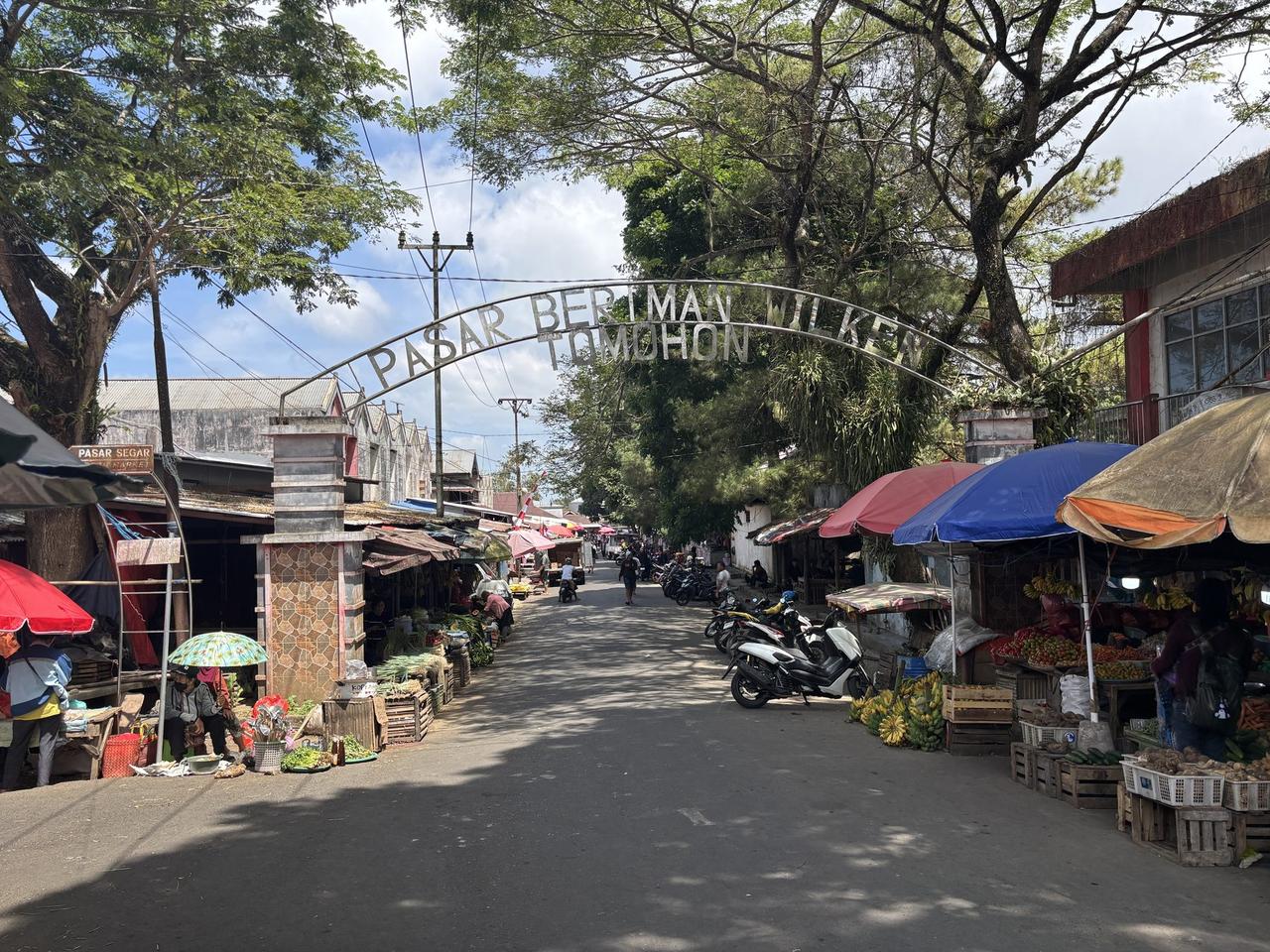
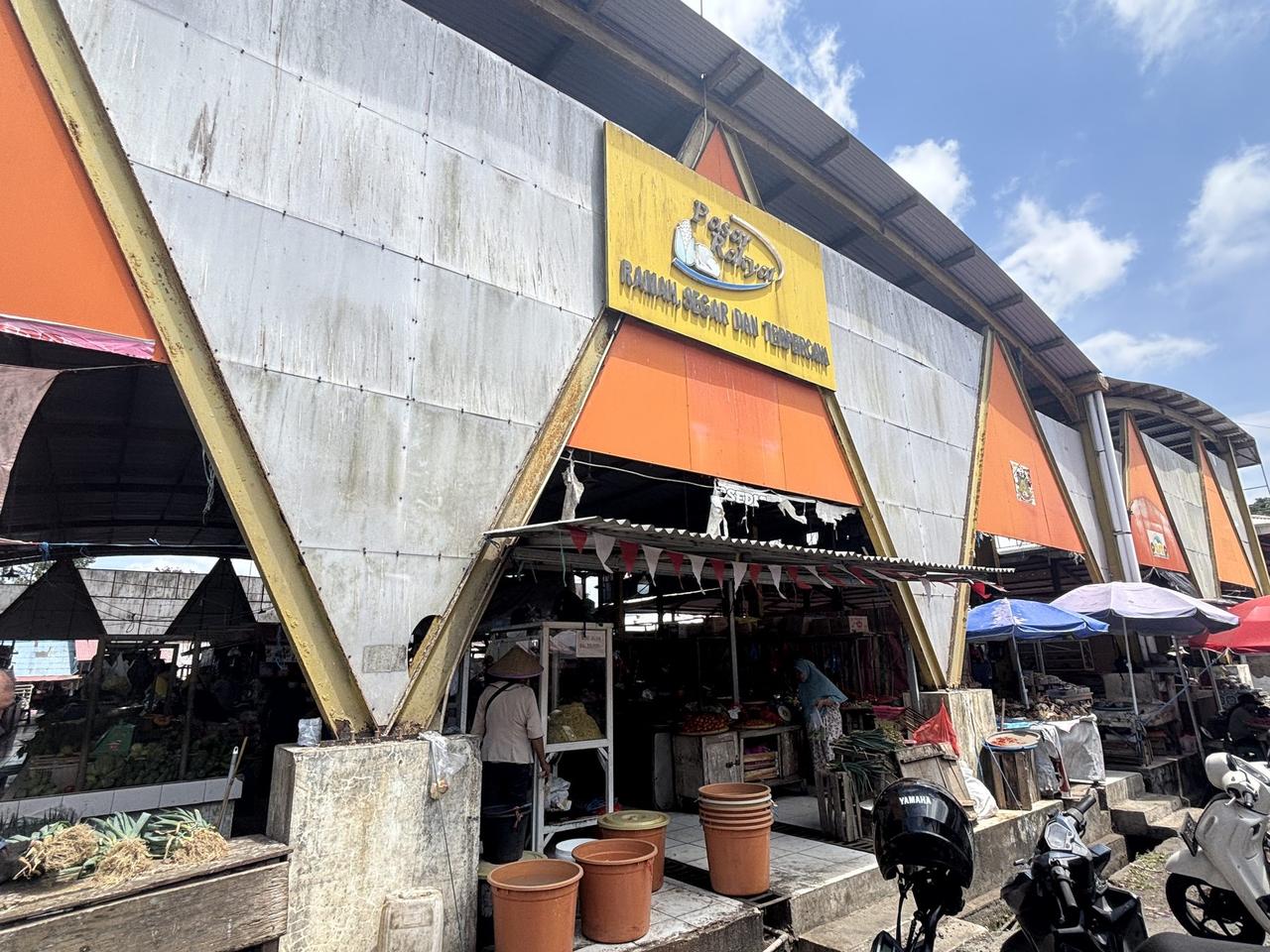
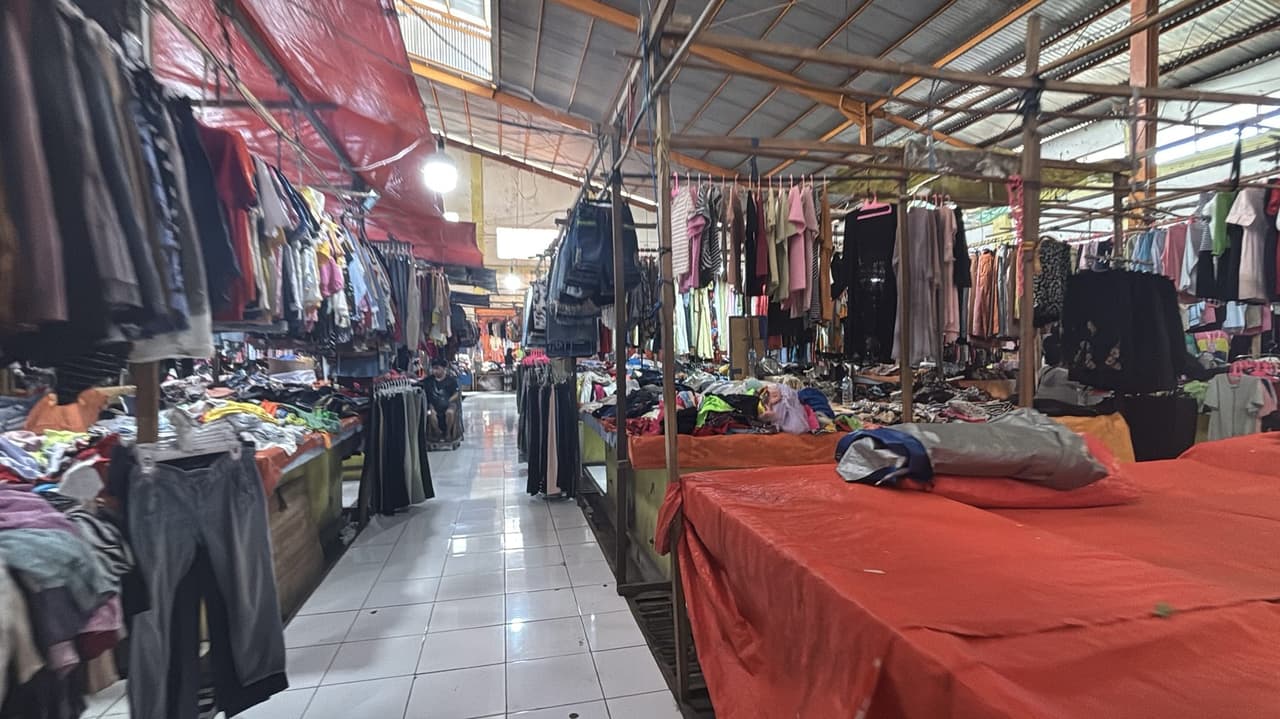
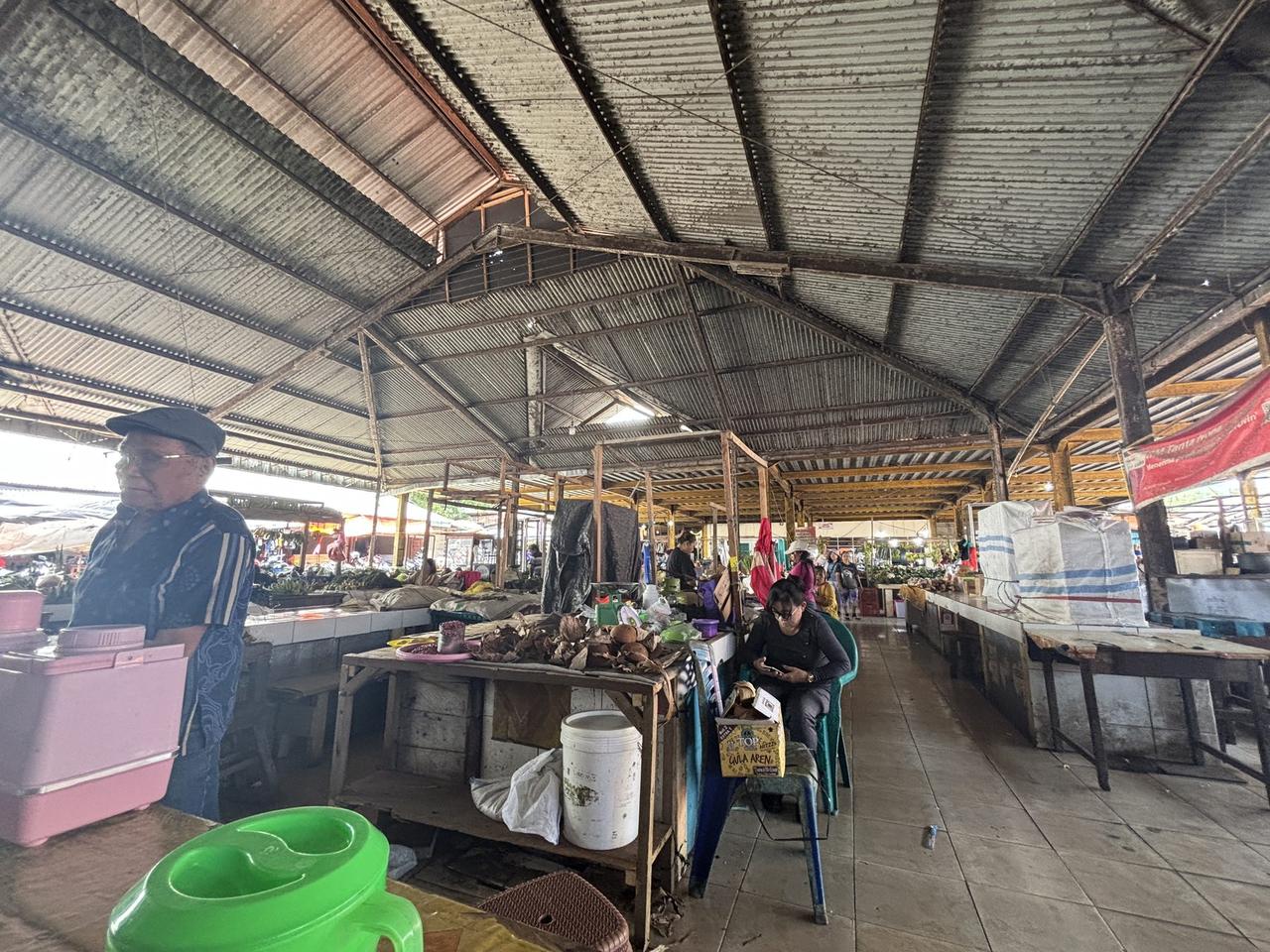
The entrance gives nothing away. It looks like any other Indonesian market: vegetables stacked in crates, clothes on hangers, the ordinary hum of people buying what they need for the week. It's only once you walk further in that the market starts to reveal what it's actually known for.
What's on the Table
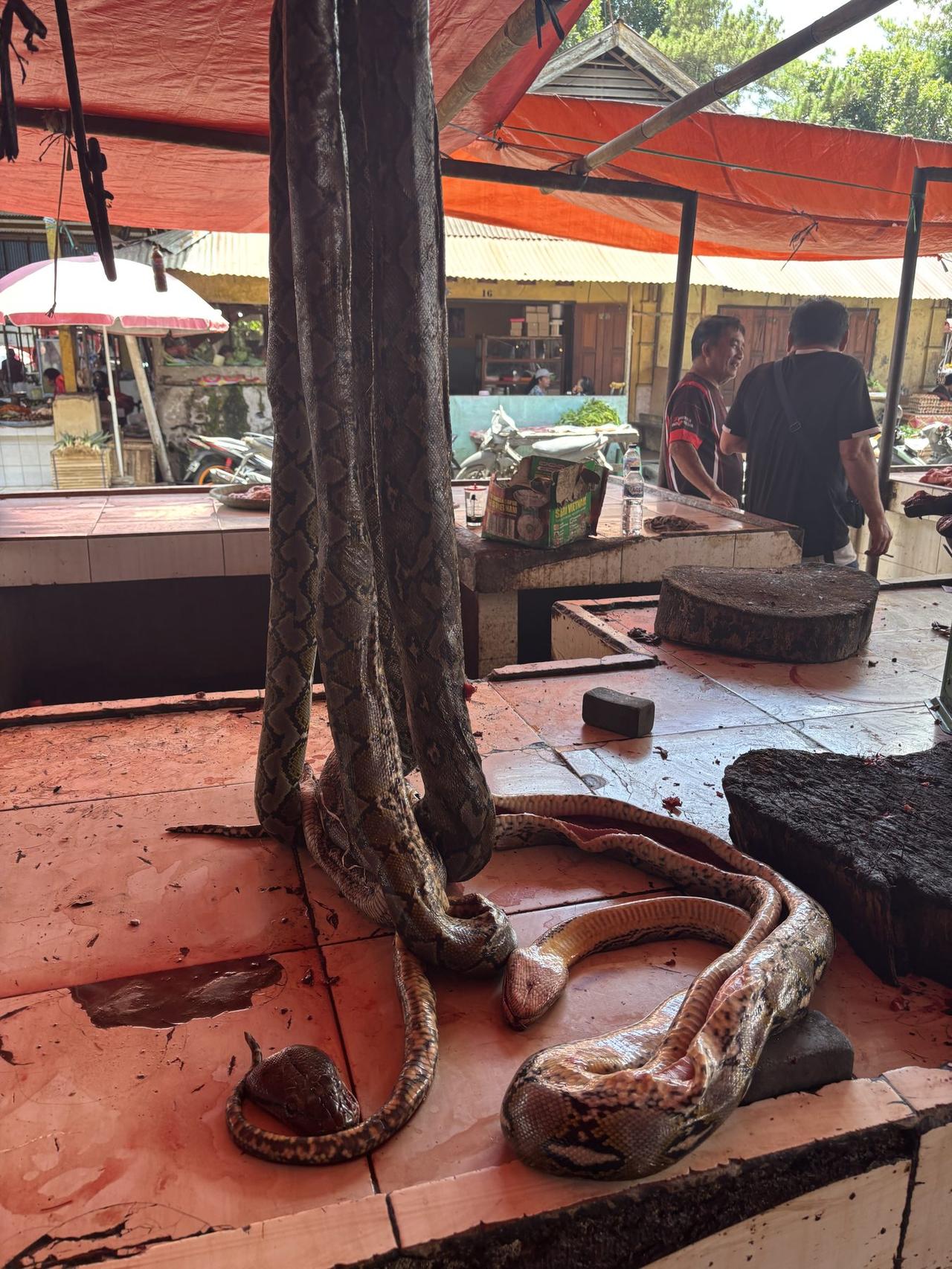
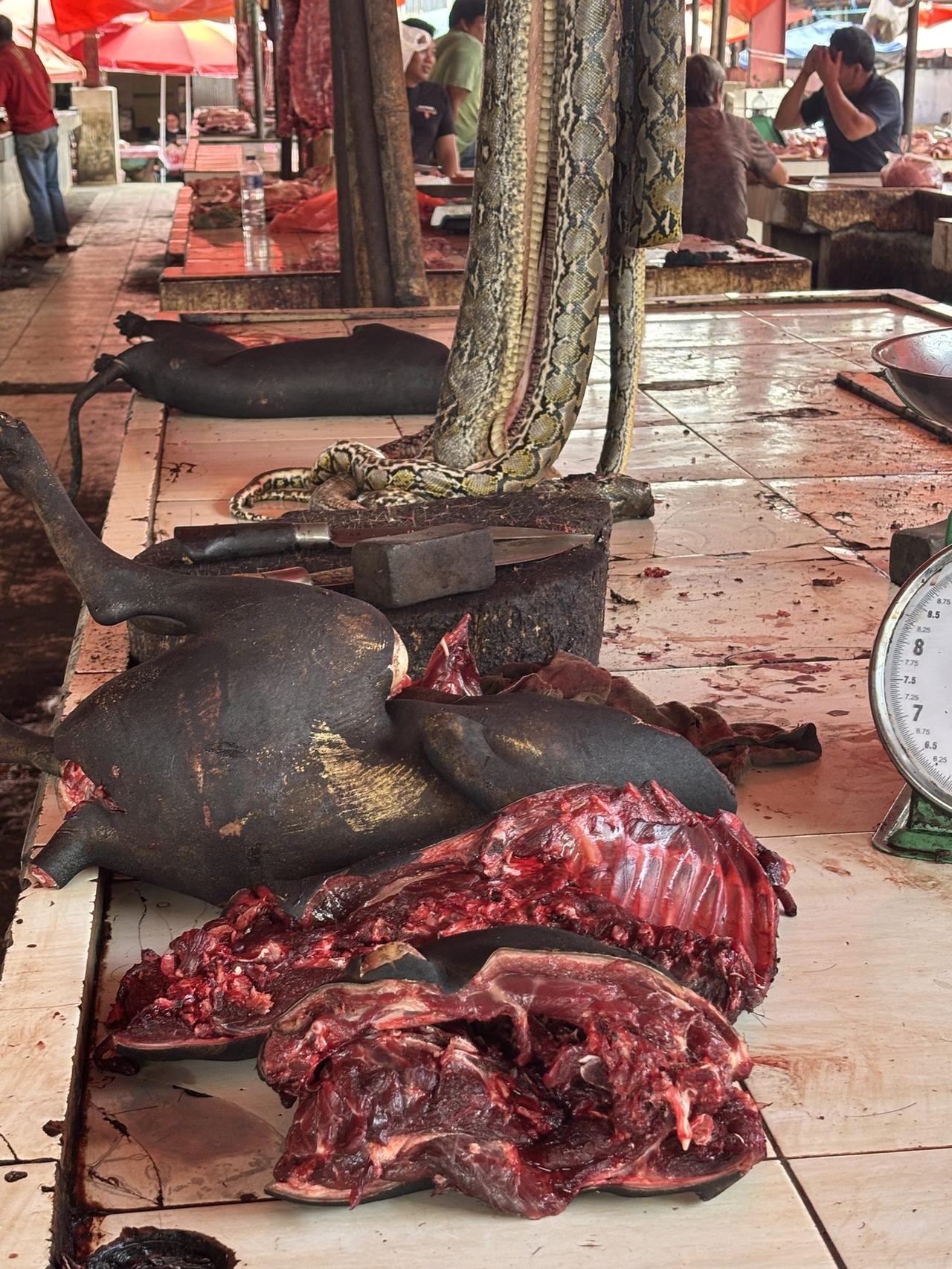
Push past the vegetable stalls and the scene changes fast. Tables that would hold fish or chicken anywhere else in Indonesia hold something different here — forest rats, laid out in numbers that outweighed everything else I saw that day; snakes, pythons mostly; fruit bats, called paniki in the local language; wild boar; monitor lizards. Dogs, too, tied nearby, waiting. None of it is hidden or apologized for. It's simply what this particular market, trading here since 2007, has always sold.
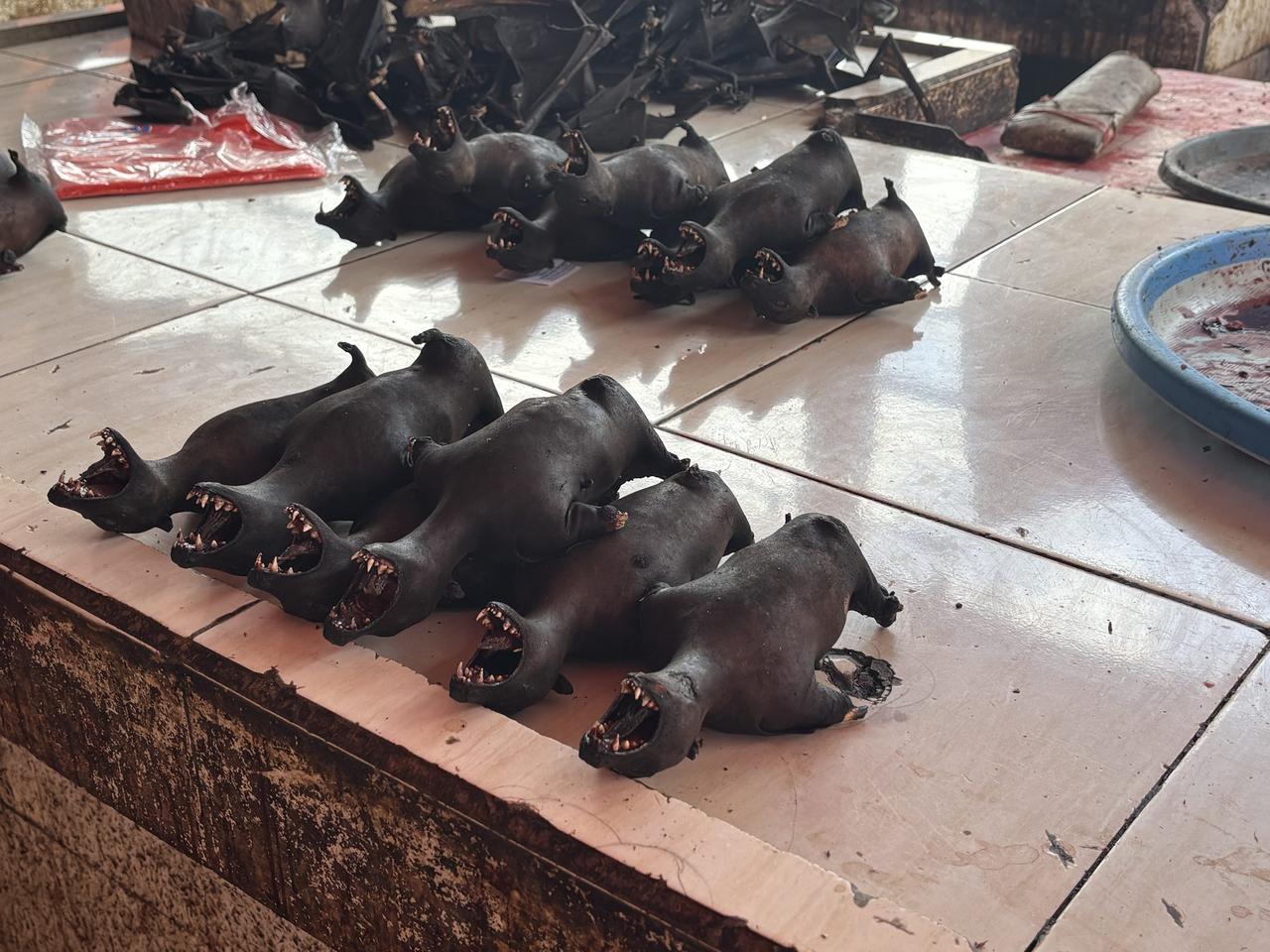
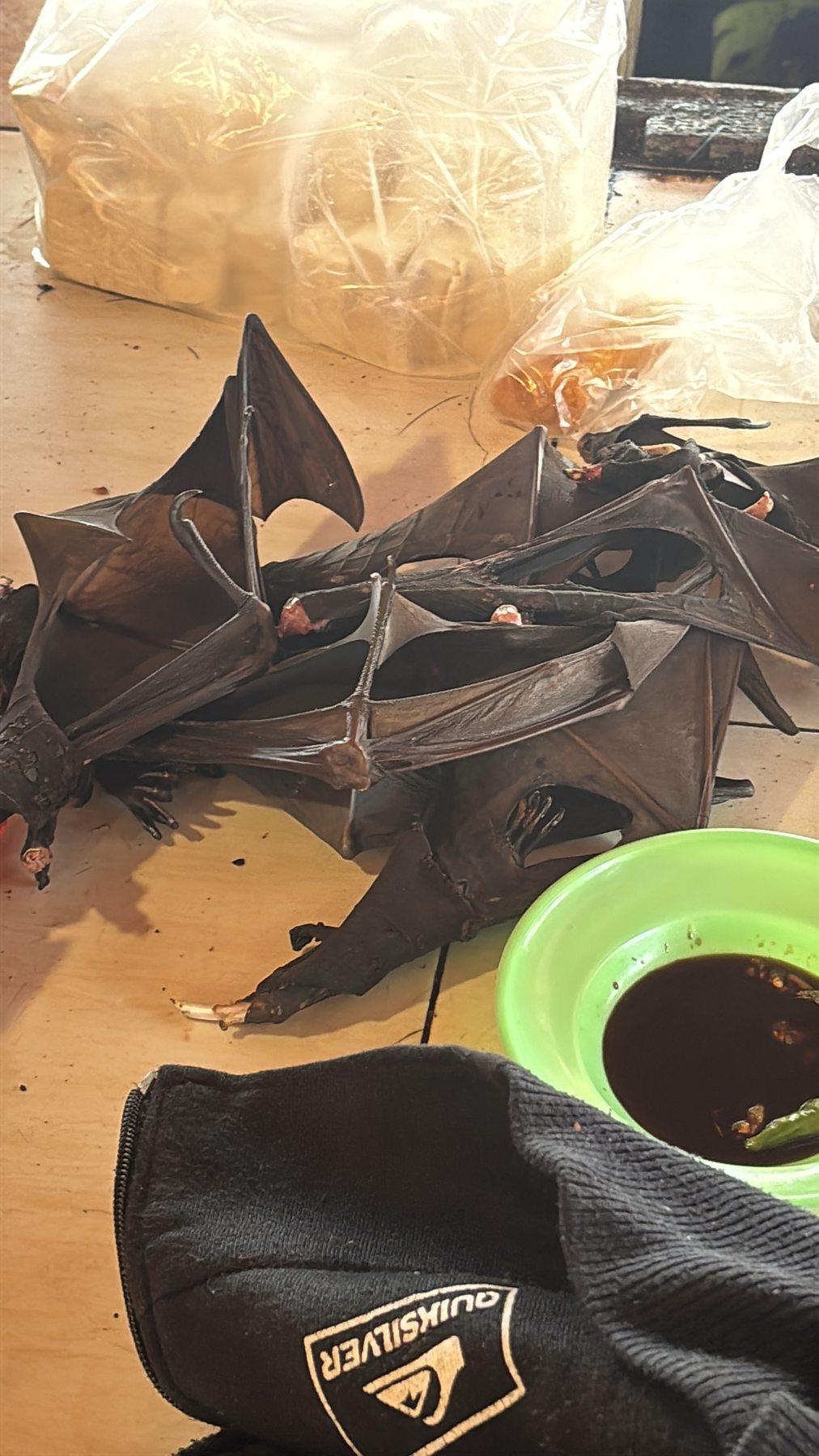
This isn't shock dressed up as commerce. It comes out of Minahasa food culture — the ethnic group native to this part of North Sulawesi, the same people who raise Woloan's ironwood houses — built on a philosophy that amounts to: if it can be eaten, it's food. Paniki, bat simmered slowly in coconut milk, is one of the region's proudest dishes, the kind served at the celebrations that matter most. Dog and cat meat used to be sold here too, openly. Cat has largely disappeared from the tables after sustained protest from animal welfare groups; dog is still sold, at around 60,000 rupiah a kilo, though the slaughter that once happened in view of shoppers now happens somewhere else.
What the Market Won't Sell
Not everything here escapes scrutiny. Yaki — the black crested macaque, found nowhere on Earth outside Sulawesi — draws real, organized protest, led by groups like Yayasan Selamatkan Yaki, because it's an endangered species and its presence at Pasar Extreme has become a genuine point of conflict. The snakes, bats, and rats on the other tables face no such restriction; they aren't protected, and they're easy to find, so no one is fighting over them.
Before the pandemic, direct flights connected Manado to Guangzhou, and the market pulled in a steady stream of Chinese tourists who tended to walk through fairly unbothered. Visitors from further west often didn't handle it as well — the animals held live in cages, the smell of singed fur, a level of directness about where food comes from that most people never have to confront. Pasar Extreme isn't on any official tourist route through the region. Almost everyone who ends up here went looking for it on purpose.
Ordering Dog, Ordering Snake
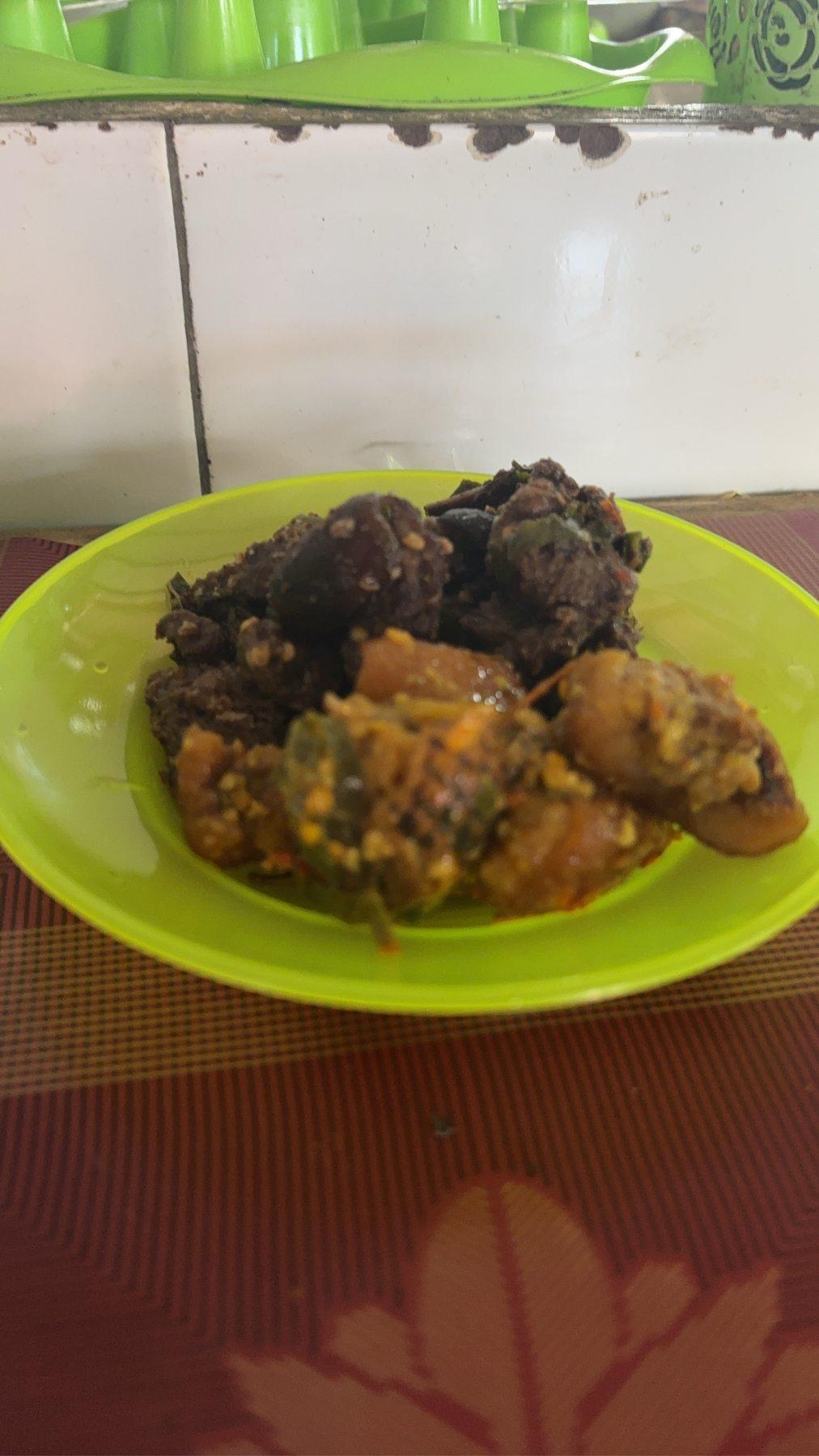
I'd told myself, walking in, that understanding a place like this meant eating in it, not just looking. So I ordered two things: snake, and dog.
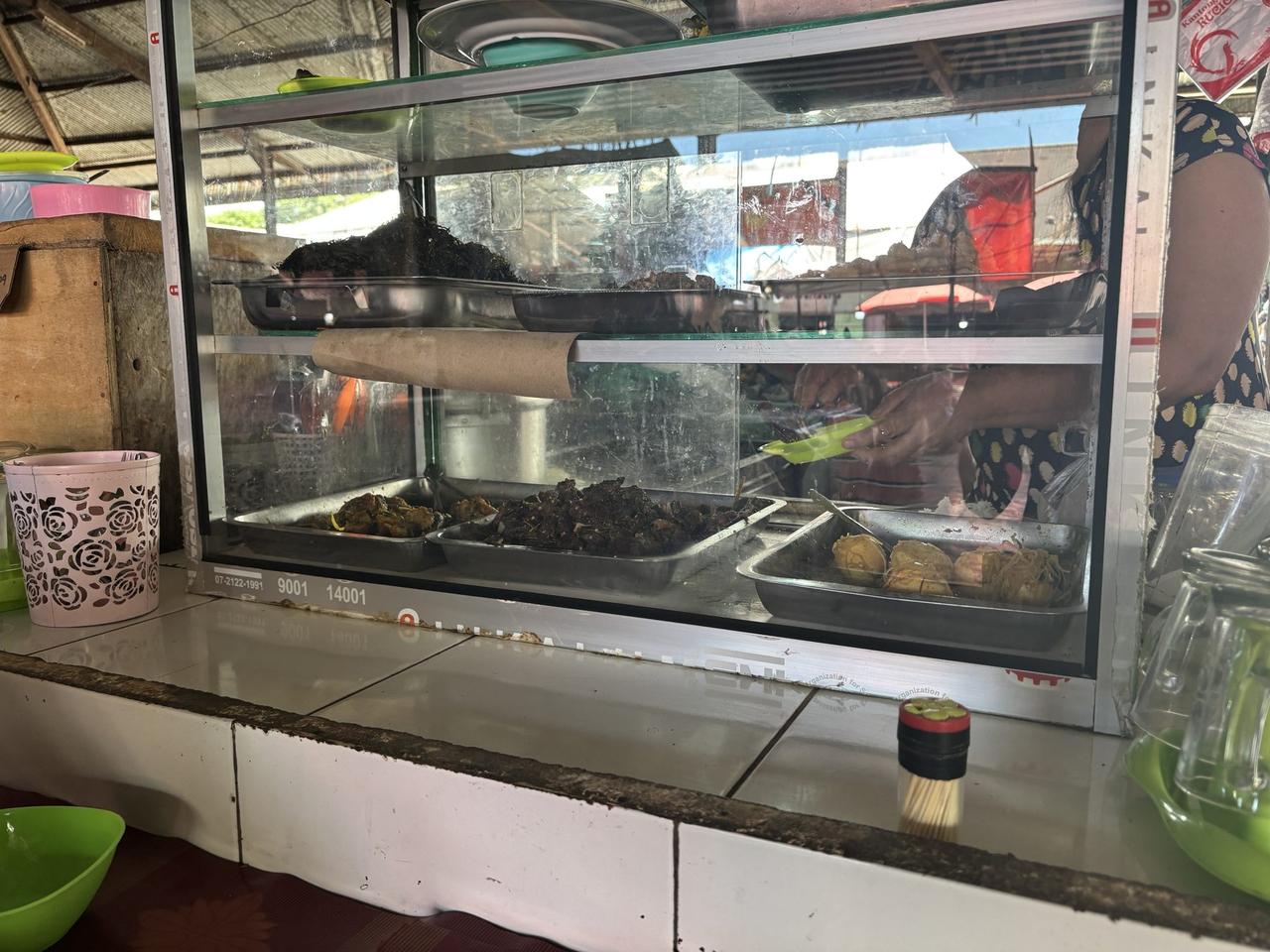
Snake I'd had before, so I knew roughly what to expect — except Tomohon cooks everything punishingly spicy, and the chili hit before the snake did. It turned out to be almost a mercy. The heat filled my nose and mouth so completely that I was eating something spicy with an interesting texture more than I was eating snake, exactly. The meat itself wasn't bad at all.
The dog was harder. It tasted, more than anything, like liver — but knowing what it was made that taste land differently than liver ever had before. It was the first time I'd eaten dog, and some part of my head never fully got past that fact while I was chewing. The smell stayed in my nose in a way I didn't love. I finished the plate anyway, slower than I wanted to, because I'd decided I was going to.
Walking Back Out
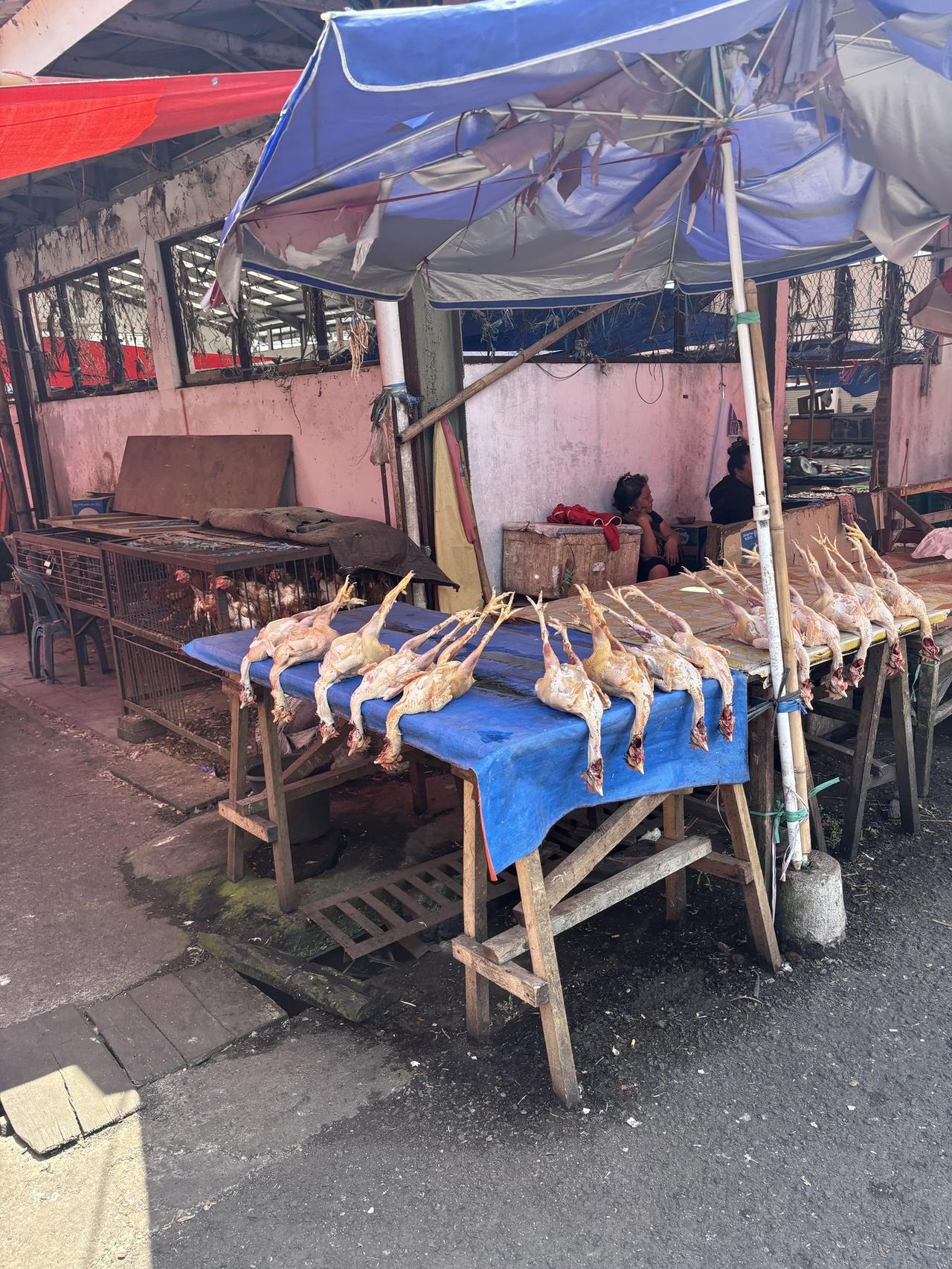
Past the extreme section, the market goes back to being a market — chicken, vegetables, clothes, the same things sold everywhere else in Indonesia. Walking back through it felt like surfacing, a small relief after the intensity of the tables behind me.
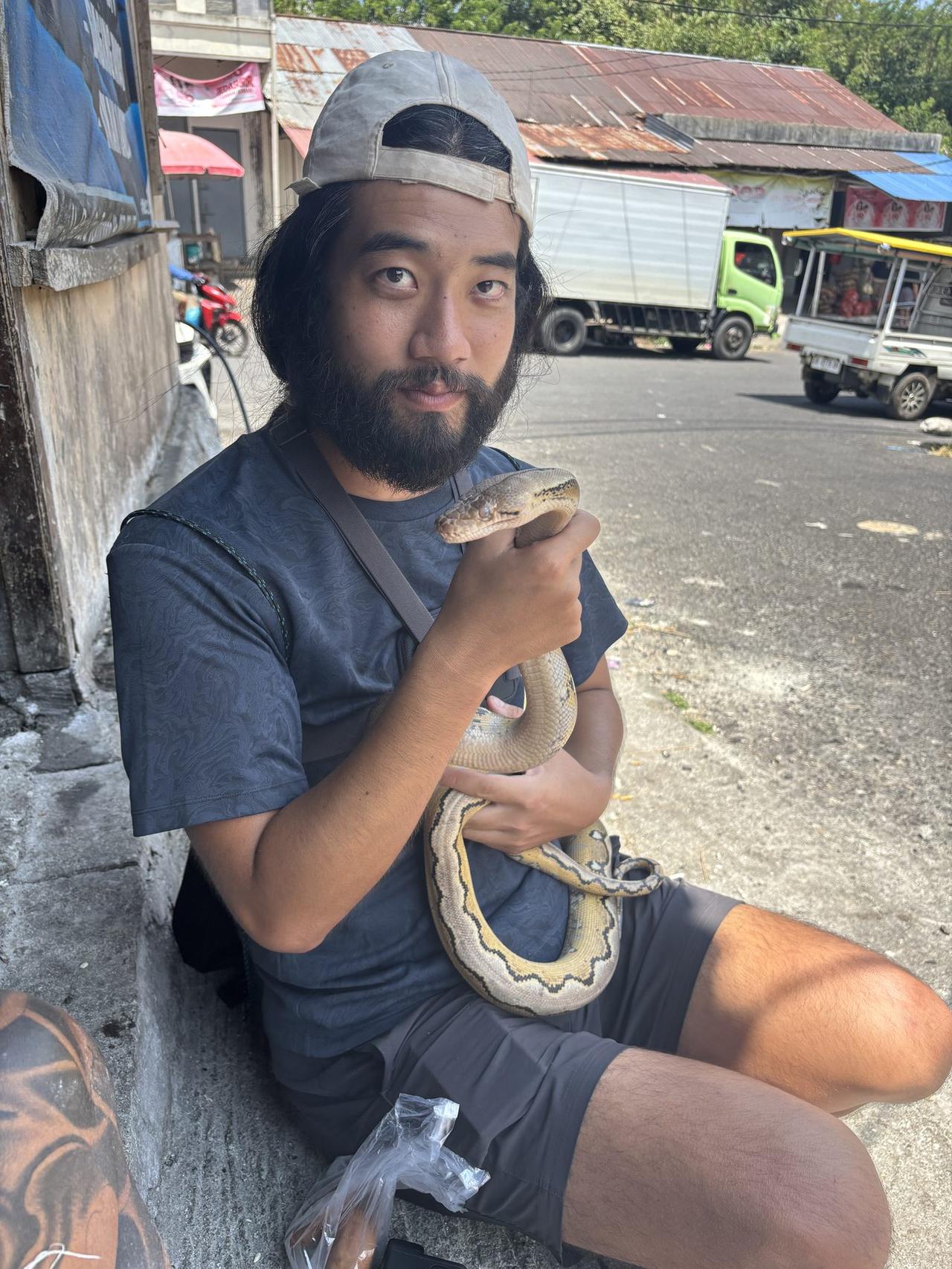
Near the exit, a man was standing with a live snake draped over his shoulders. I assumed, given where I was, that it was for sale as food. It wasn't. He just liked snakes, he told me, and kept this one as a pet. It was, honestly, a good-looking snake. Between the two, I think I prefer them that way.