Thirty-Five Thousand Rupiah Into a Different Kind of Quiet
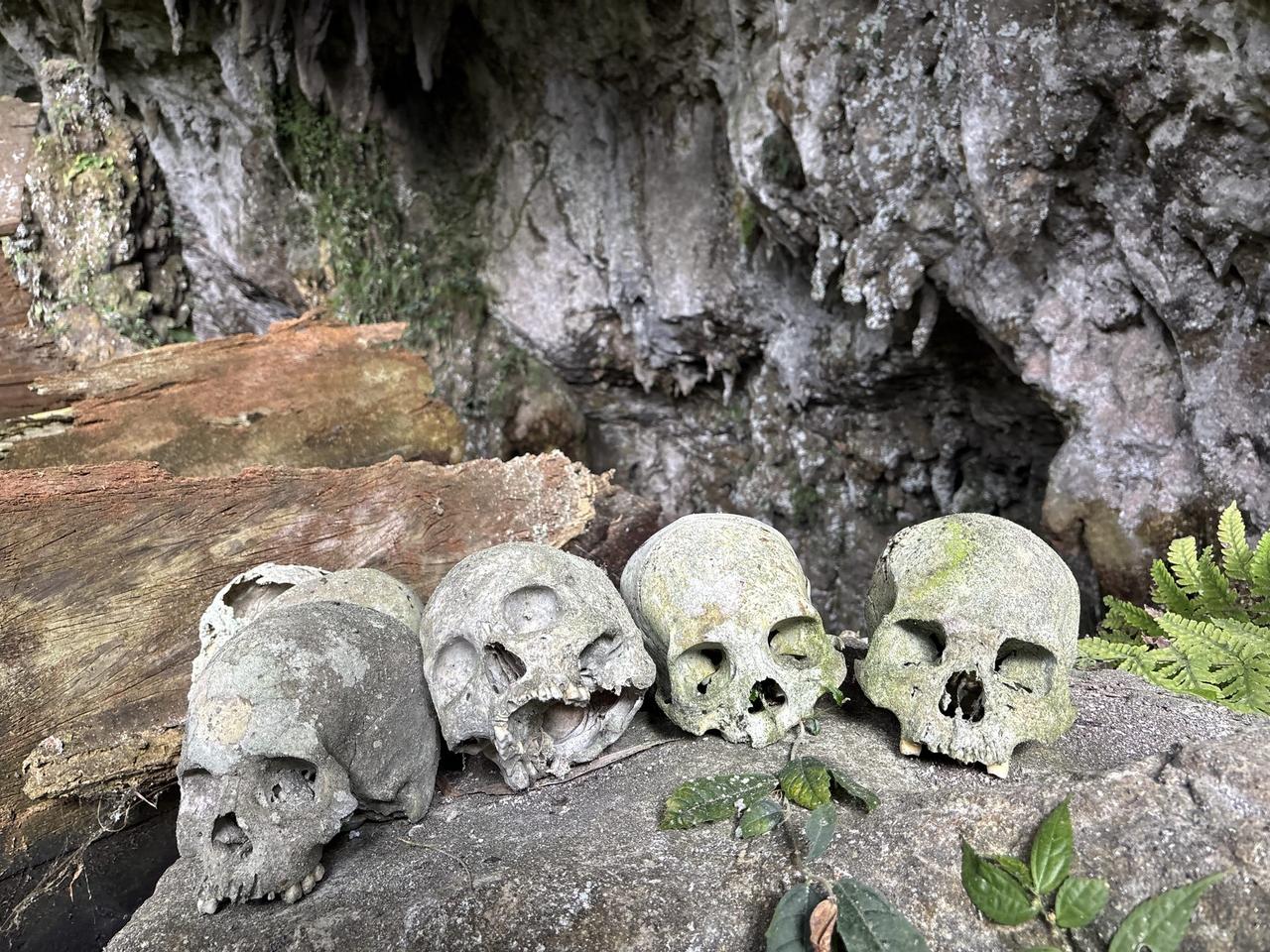
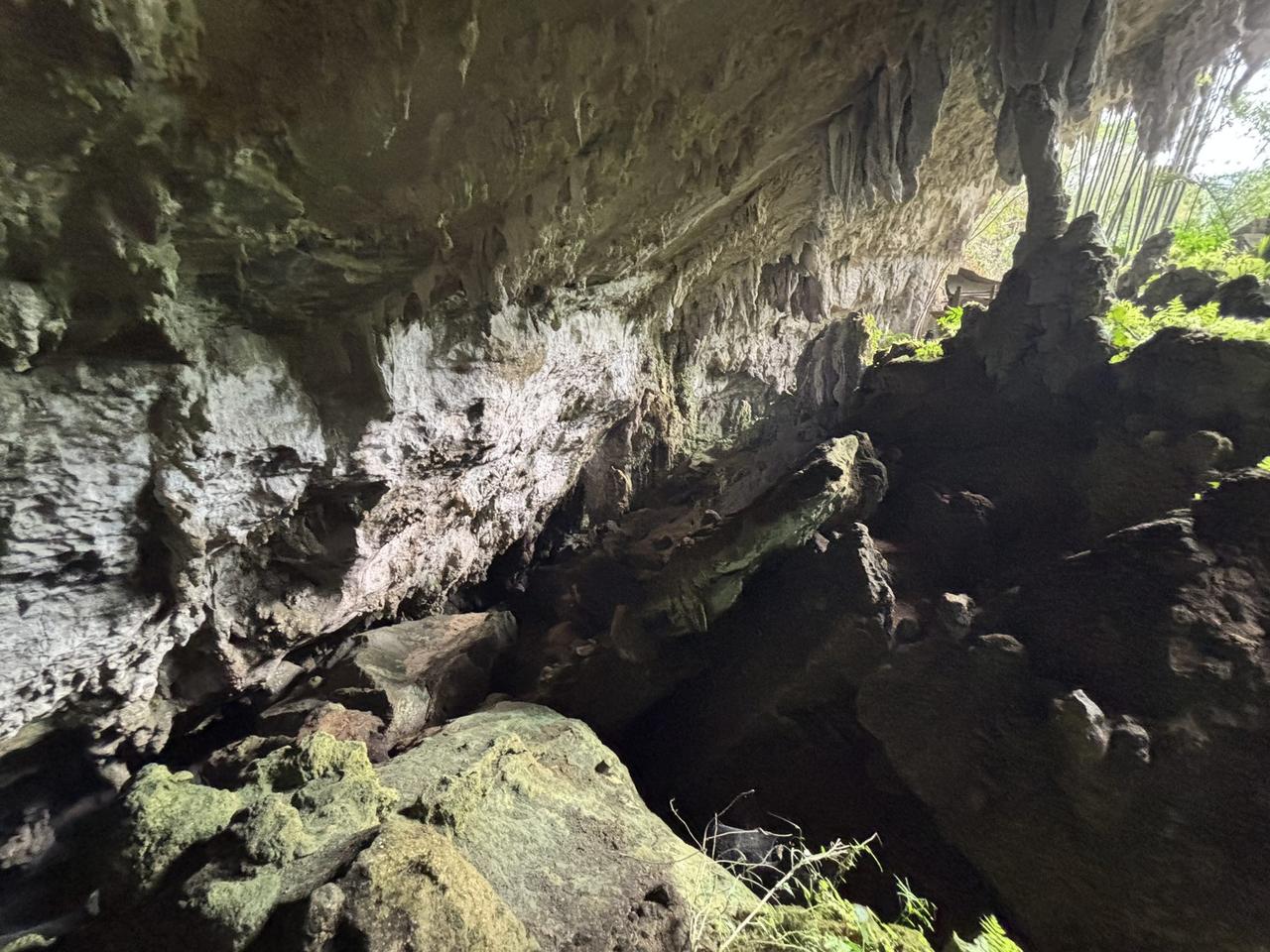
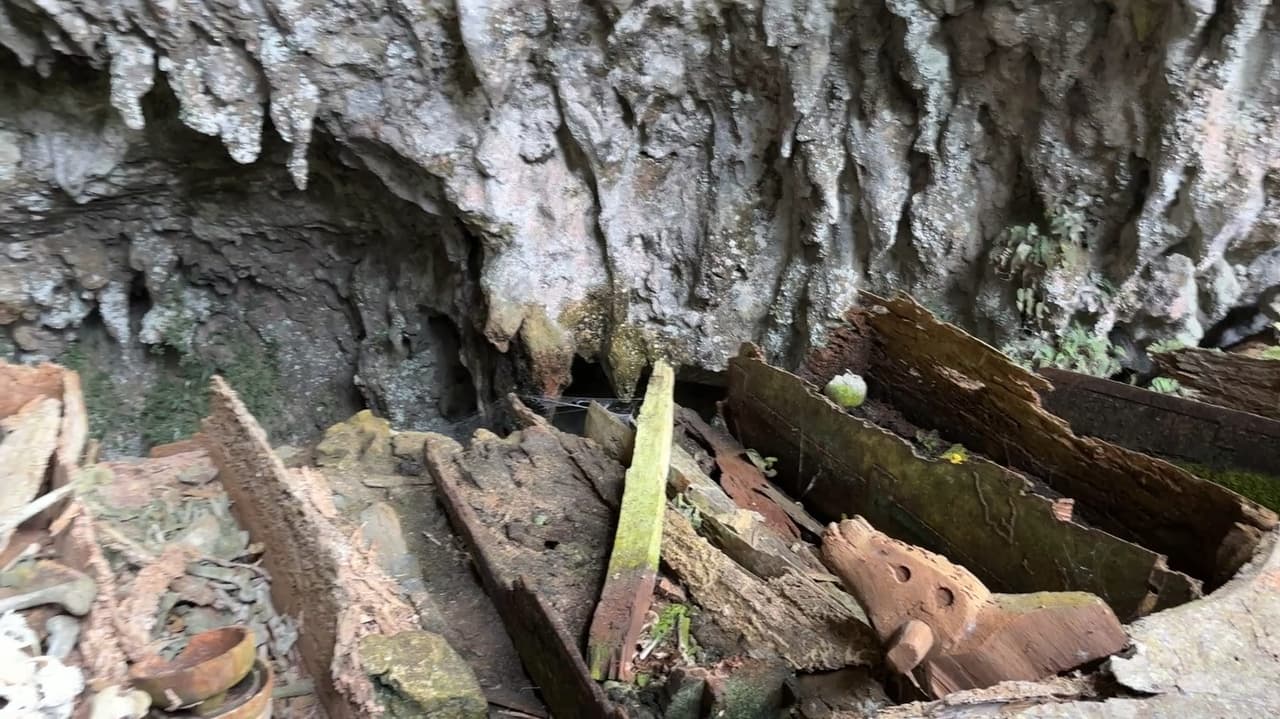
I paid 35,000 rupiah at the entrance and stepped into a limestone cave, Lombok Parinding, expecting cool air and open space, which is exactly what I got. What I wasn't fully prepared for was everything on the ground. Skulls, loose bones, and old broken coffins were scattered across the floor in every direction, close enough in places that I could have reached out and touched them. Signs posted before the entrance were direct about it: watch your footing, don't kick the skulls, don't touch anything. That warning made sense the moment I was actually standing among it all.
Seven Hundred Years, Frozen in Place
The site's history reportedly stretches back around 700 years, though it stopped being used for new burials centuries ago. What's left is essentially untouched since then, a burial ground that time simply stopped adding to. Nobody comes here anymore to lay someone new to rest. What's here has just been here, undisturbed, for a very long time.
Why the Bones Are on the Ground at All
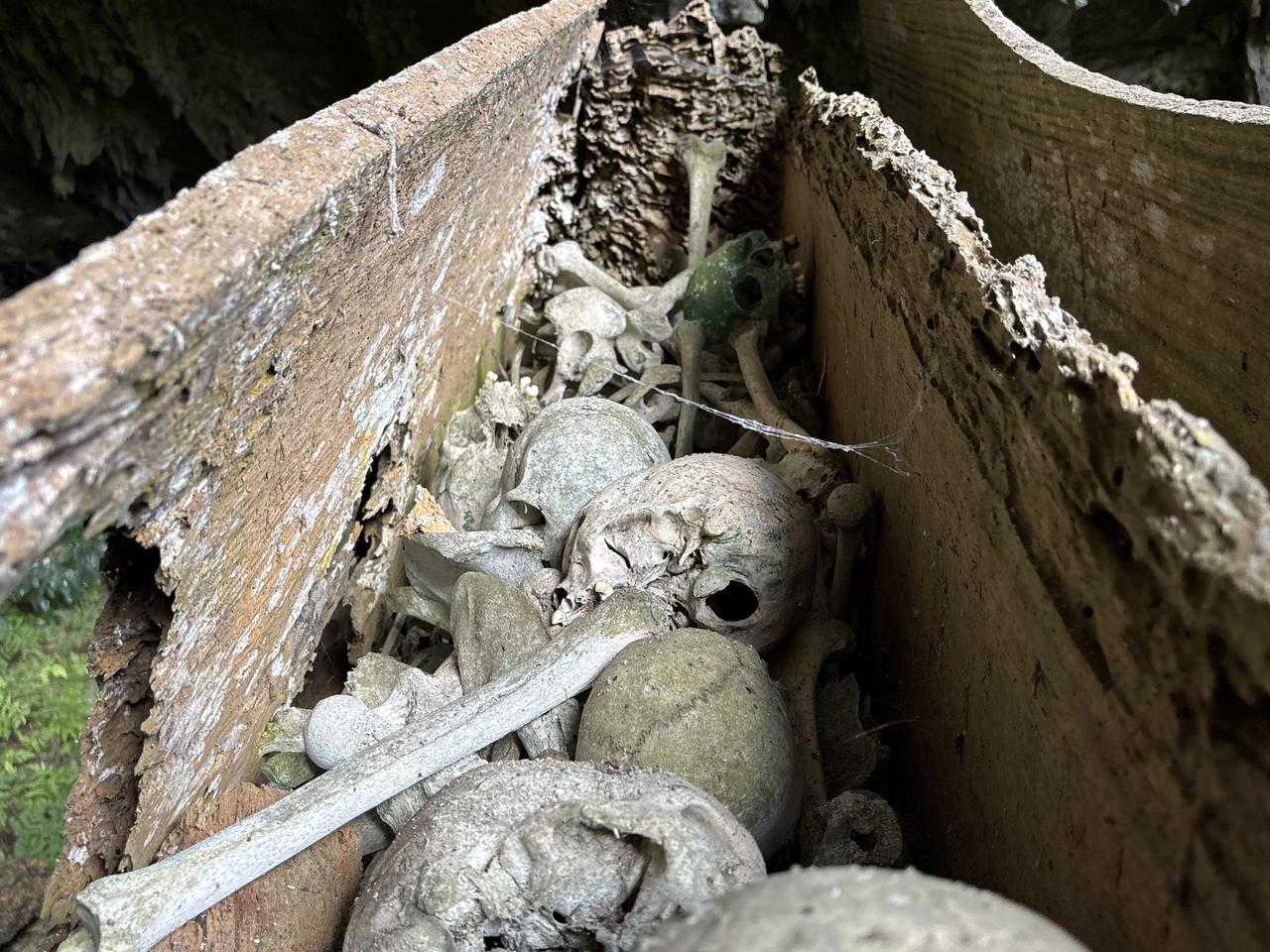
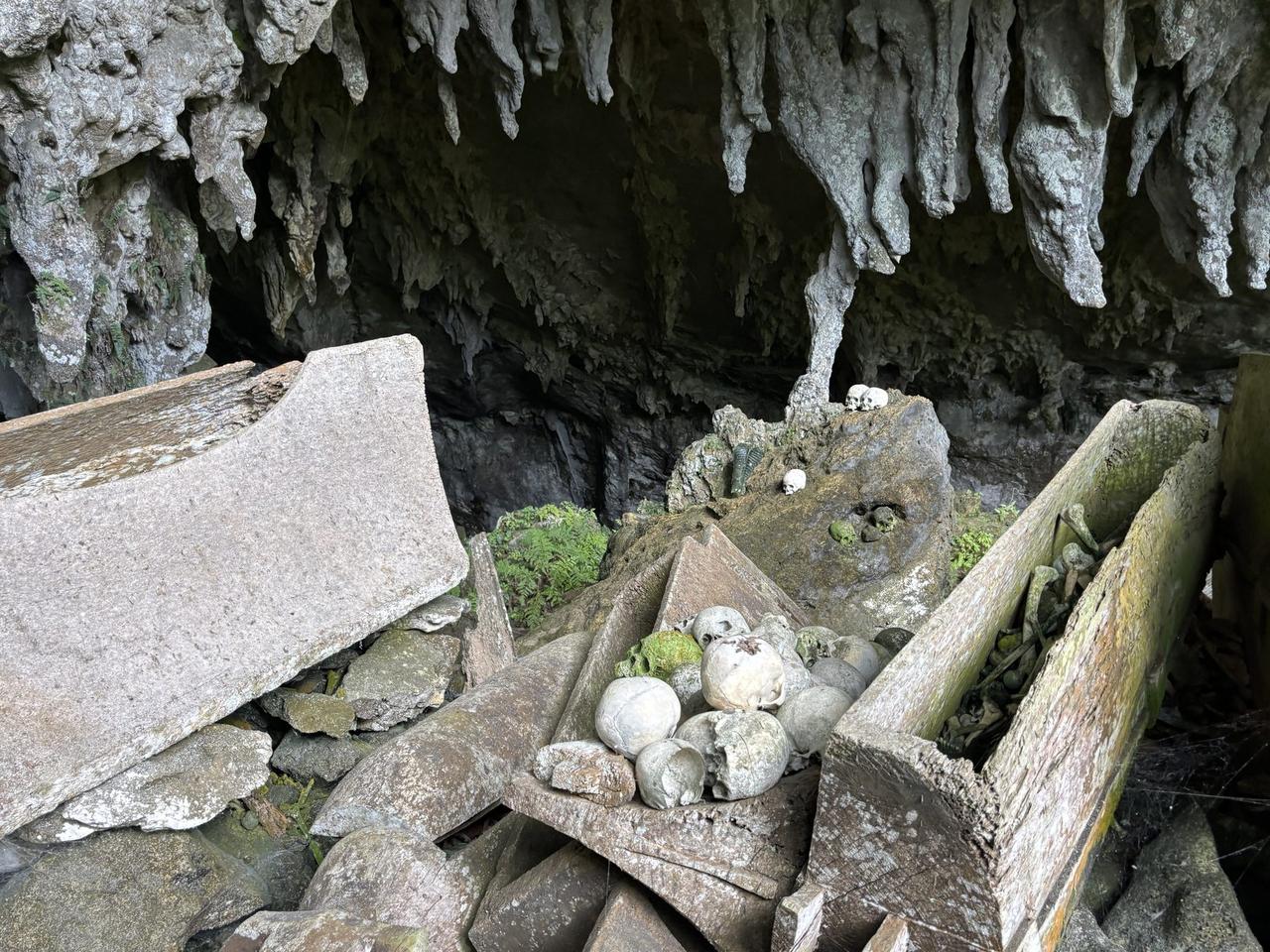
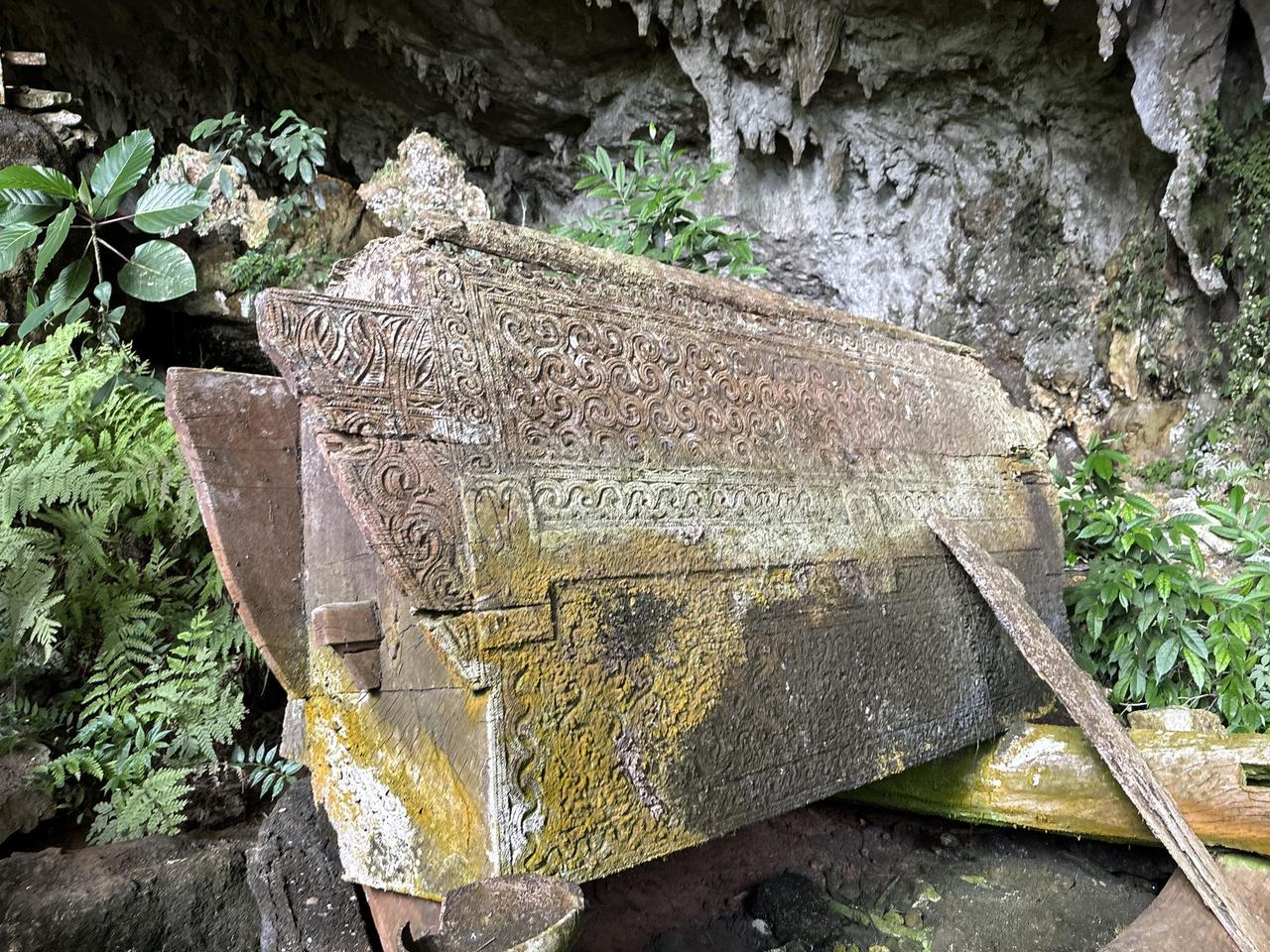
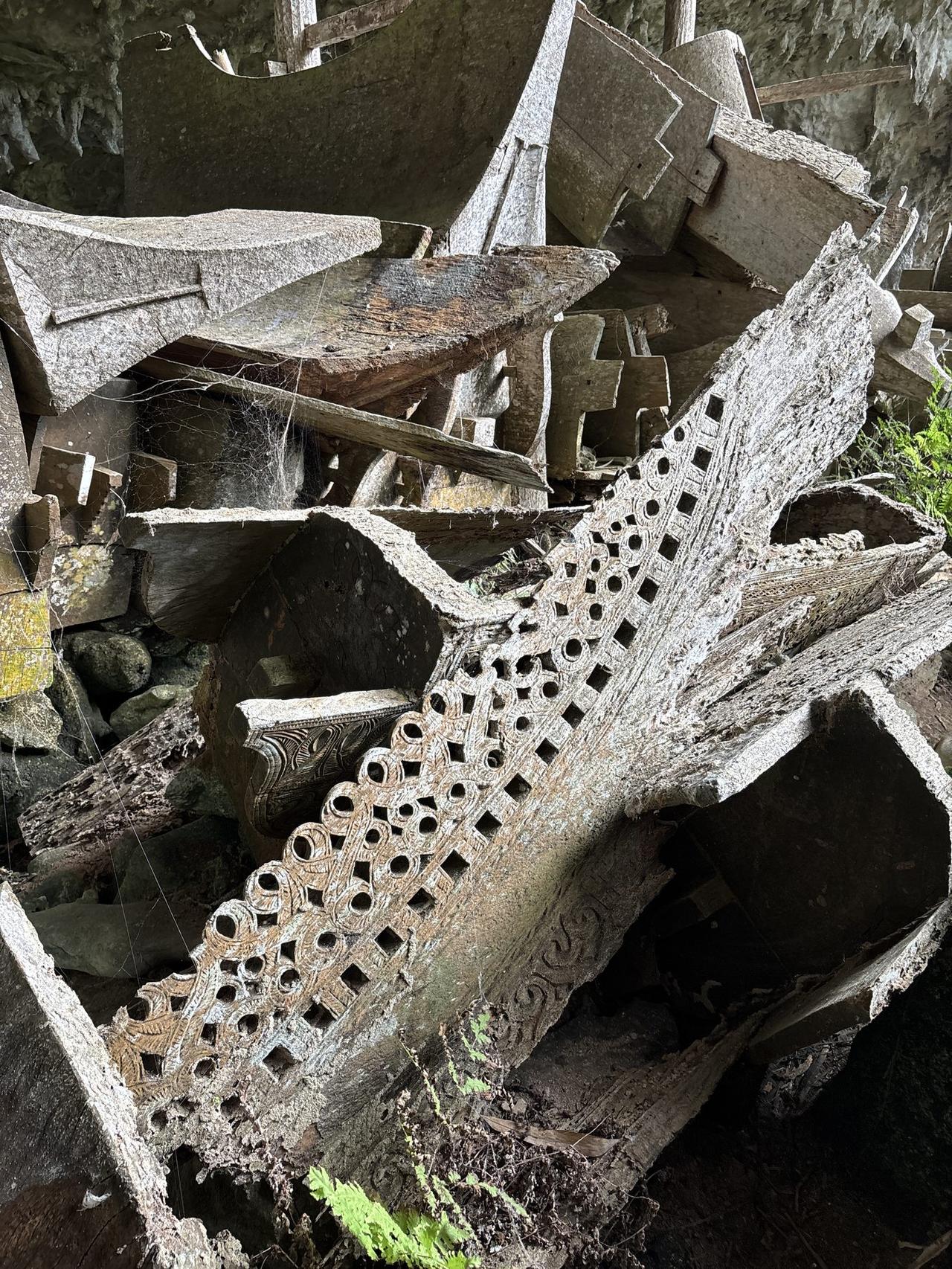
The scattering itself has a specific explanation. Bodies here weren't originally left lying on the cave floor. They were placed inside wooden coffins and those coffins were hung or wedged up in the rock and cave walls, deliberately elevated rather than set down low. Over the centuries, gravity did what gravity does: the coffins decayed, broke, and fell, spilling their contents onto the ground below. And rather than cleaning up or repairing what had fallen, the site was simply left as it landed. Nothing here has been staged for effect. It's just accumulated damage, left alone.
Kept High for Two Reasons, One More Important Than the Other
I asked why the coffins were placed up high in the first place rather than simply on the ground. The answer had two parts. Practically, elevation kept remains away from animals that might otherwise get at them. But the more important reason, according to what I was told, was spiritual. In Aluk To Dolo, the traditional Toraja belief system, the soul of the deceased travels onward to Puya, the afterlife, and placing remains higher was thought to bring that soul physically closer to reaching it. Between the two explanations, the spiritual one was described to me as the one that actually mattered most. Keeping animals away was practical. Getting the soul closer to heaven was the point.
A Coffin Called Erong, Shaped by Who's Inside
The coffins themselves are called erong, and they carry their own detail worth knowing: the shape reflects the gender of whoever's inside. A man's erong is carved into the form of a boat. A woman's is carved into the form of a pig. Historically these were made from sandalwood, carved as a final gesture of respect for the person being laid to rest, and some fragments still show intricate lattice and scroll carving despite centuries of decay.
Not Everyone Got to Be Buried This Way
Being placed in an erong inside a cave like this wasn't available to everyone. It was reserved for people of middle-class standing or above. Bodies interred this way were often accompanied by wooden utensils and food, provisions meant to carry someone through to whatever came after, which says a lot about how directly Toraja custom treats death as a departure rather than an ending. It's the same layer of social stratification I'd already noticed at other Toraja burial sites: who you were in life still shaped how, and where, you were laid to rest.
Green Skulls and a Change in the Air
The cave's humidity is high enough that moss grows on nearly everything inside it, walls, coffin wood, and the skulls themselves. Whole skulls sit covered in a soft green coat, which somehow makes the whole scene feel less morbid and more like something the cave itself has slowly absorbed. Walking in, I noticed the air genuinely felt different, heavier and cooler in a way that was hard to separate from just knowing what I was standing among. Deeper into the cave the ground drops off unexpectedly, so caution matters the further in you go. Of everything I've seen so far documenting how Toraja treats its dead, this was the place that made that treatment feel the most immediate, and the most quietly overwhelming.