Climbing Back Up, This Time to Bring Someone Down
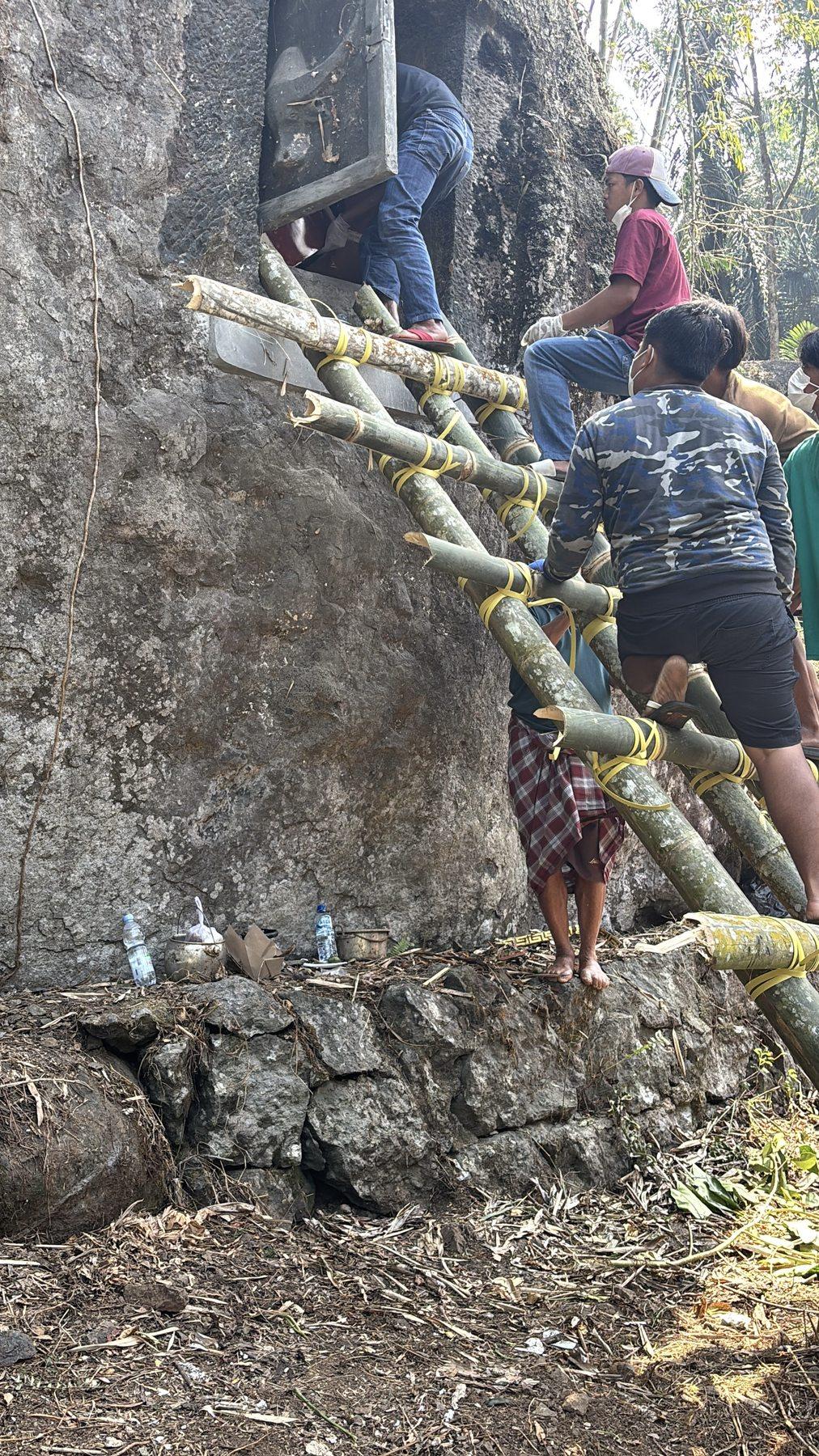
The doors were already open from the day before, so Day Two started with the same bamboo ladders, the same climb up the boulder face, except this time nobody was stopping at just looking inside. One man reached into a dark opening near the top while three others held the ladder steady beneath him, and the mood already felt different from Day One, less like inspection and more like preparation for something that mattered more.
A Coffin Too Heavy and Too Old to Rush
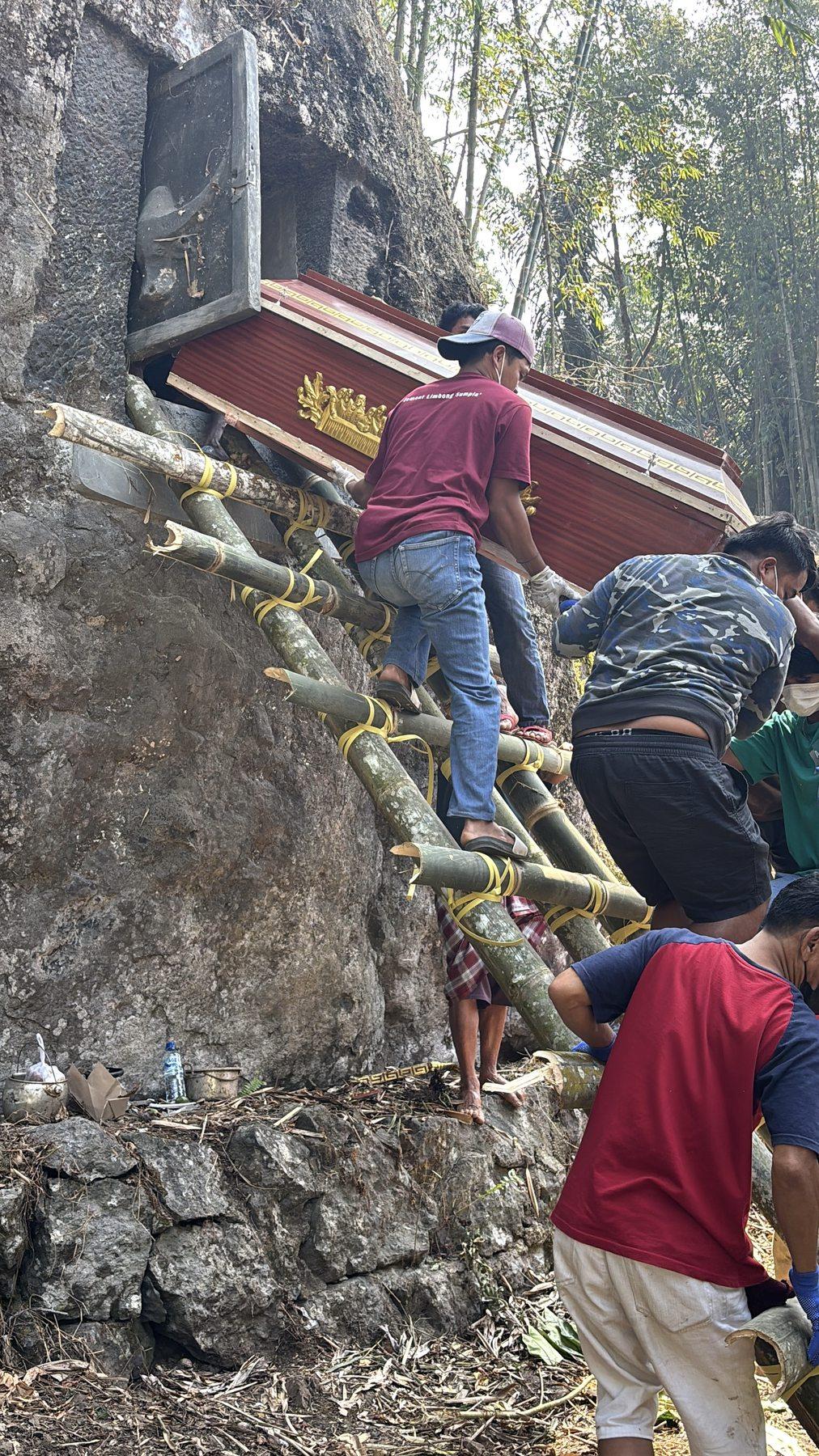
Getting a coffin out of a Liang is nothing like carrying a box down a staircase. The men lowering it worked the same rungs I'd climbed the day before, passing a dark red coffin hand to hand down the lashed bamboo, calling out to each other to adjust the angle every few steps. They told me afterward it was heavy even at this modest height, and that the work genuinely needs several people rather than one or two, both for the weight and for how easily an old coffin can come apart if it's tilted wrong. A Patane tomb, being a built structure at ground level rather than a hole carved into rock, skips the ladder entirely. There the coffin is simply carried out through the door. But the underlying care is identical either way: whatever the tomb's shape, nobody rushes this part.
Not a Visit to the Dead, But a Reunion With the Family
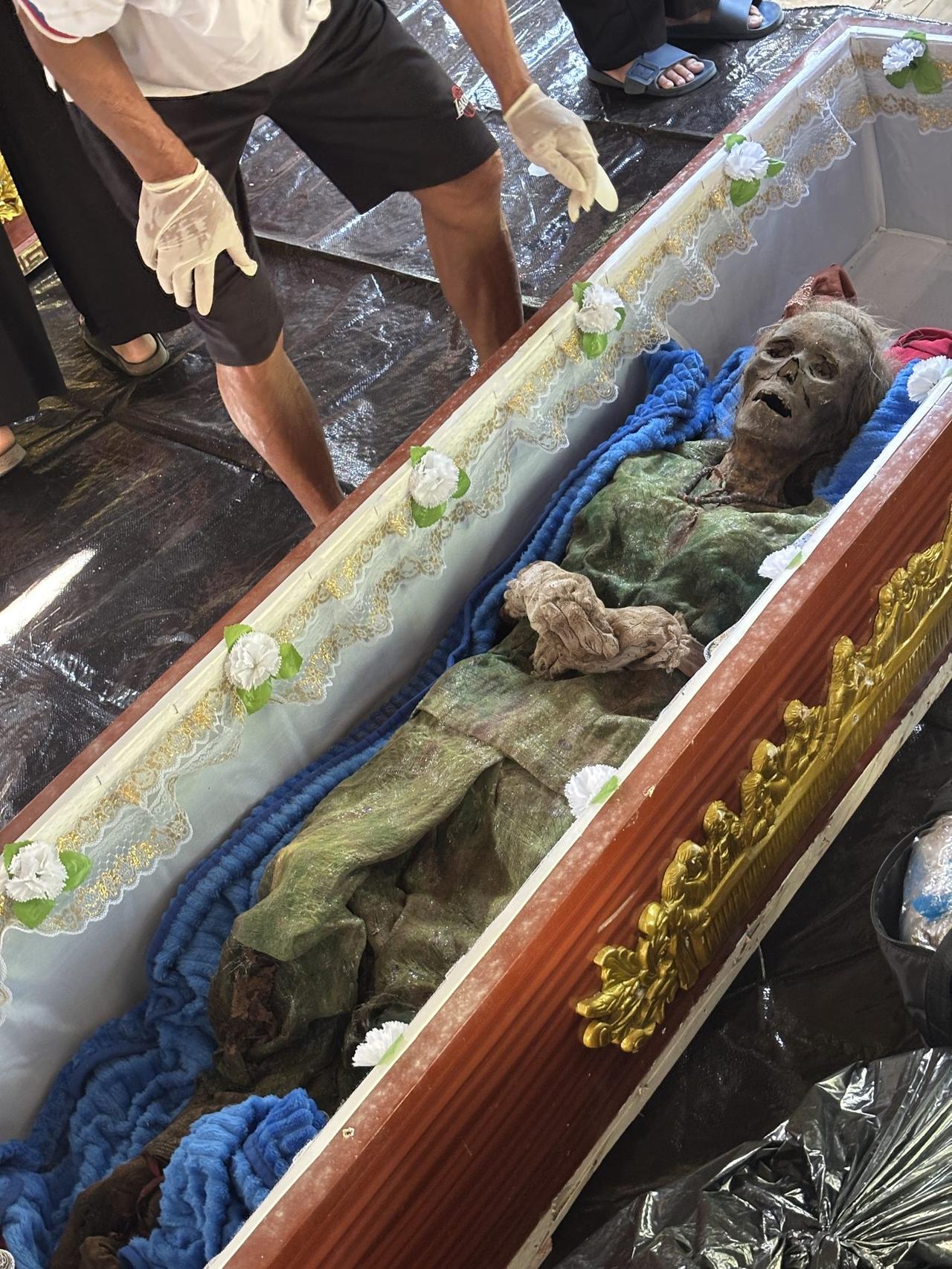
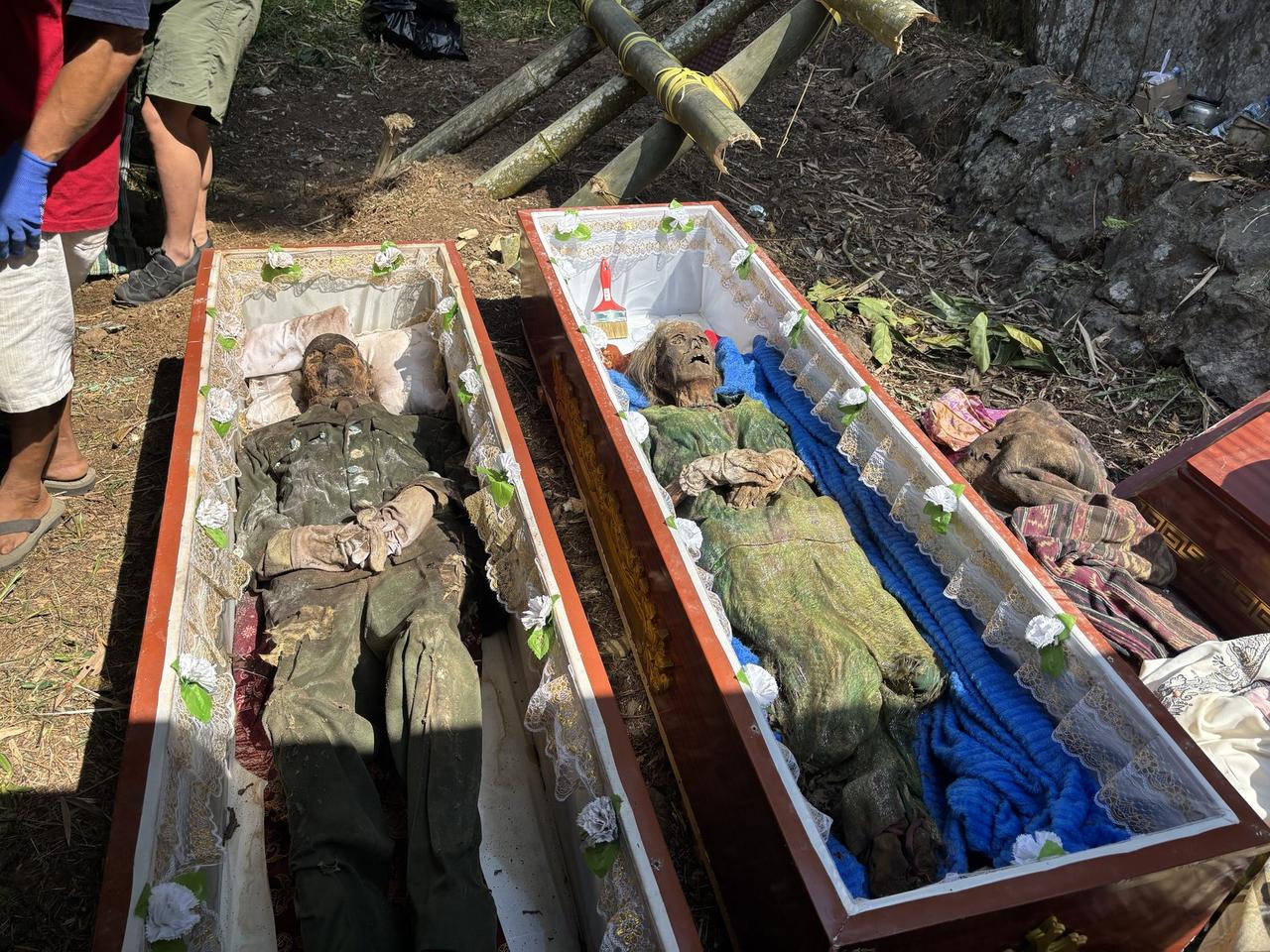
Once a coffin was actually opened, I understood why this day carries so much more emotional weight than the last one. This wasn't a viewing. Families spoke to the person inside as they worked, the way you'd greet someone you hadn't seen in a while rather than someone you'd lost. Before things got underway, I'd asked a family how they felt about it, and the answer was straightforwardly happy, something closer to anticipation than grief. It struck me because in Japan, once someone is buried, that's it: there's no version of seeing them again, physically, years later. Here, even reduced to something closer to a preserved form than a living likeness, a family gets exactly that. They were also completely open about it. When I asked if I could take photographs, the answer was immediate: go ahead, you're welcome to.
A Soldier's Uniform, and What Families Choose to Keep
Two coffins were opened side by side that day, a mother and a father from the same family, and seeing them together made something clear that a single coffin wouldn't have. The father had served in the military, and he was still dressed in his old uniform, buttons and all. It's apparently common practice here to bury someone in, or alongside, whatever mattered most to them in life, which is exactly the same instinct behind Japanese funeral customs even though almost nothing else about the process resembles Japan's. A uniform for a soldier. Later, I'd learn, cigarettes for a smoker. The specifics change person to person, but the logic holds everywhere: you go into the ground, or in this case the rock, with something of who you actually were.
Dried in the Sun, Then Wrapped and Tied Again
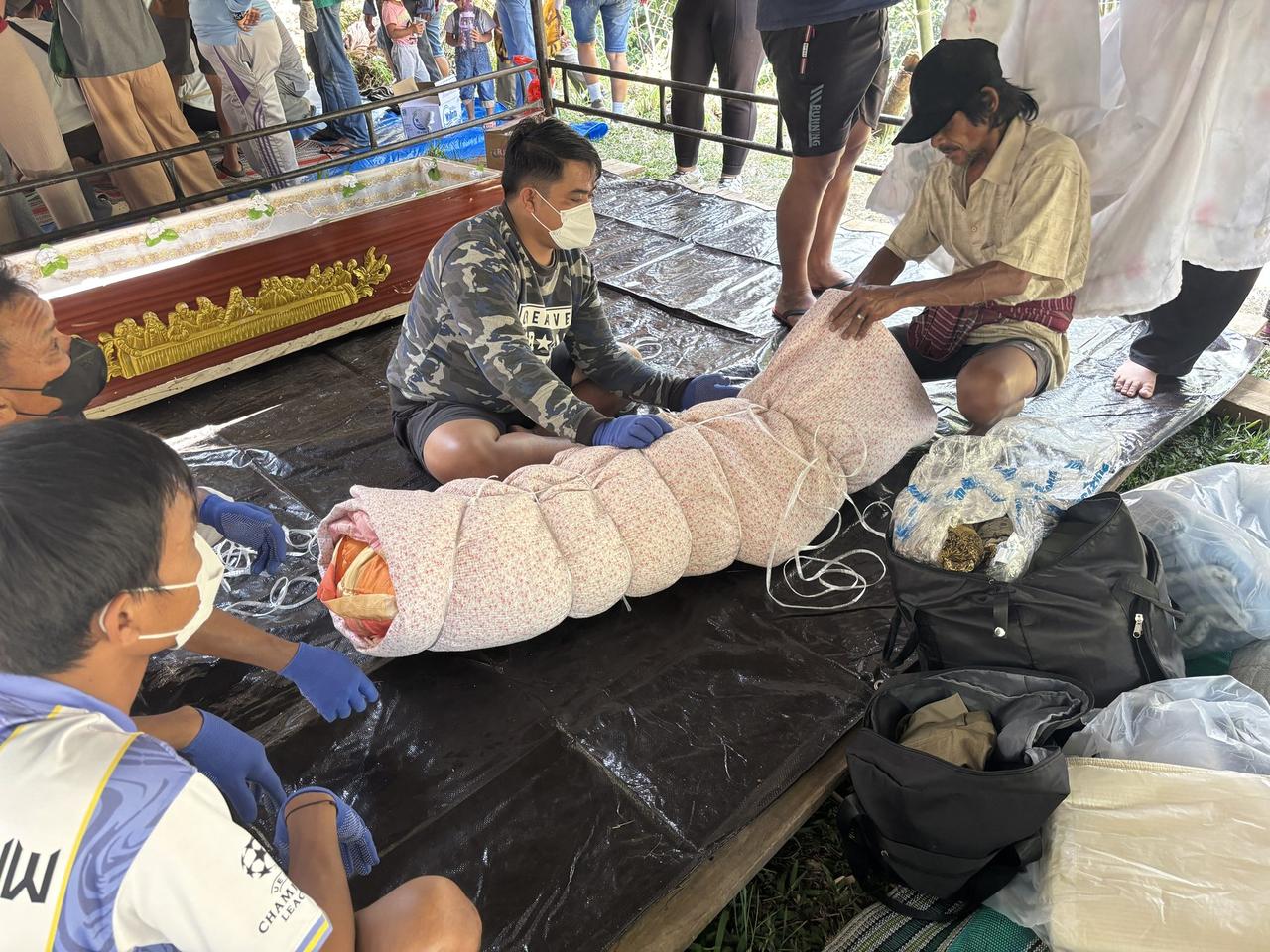
After the reunion comes maintenance. Coffins and their contents are set out in direct sunlight to dry, clothing gets cleaned or swapped for something new, and then the whole thing is wrapped again, this time in a fresh length of floral fabric that gets rolled and tied off section by section like a long bundle. I watched two men do this together, one holding the wrapped form steady while the other worked the ties down its length. It's methodical in a way that reads more like careful packing for a journey than anything somber, which given what tomorrow holds might be exactly the right way to think about it.
Down at the Patane, More Room, Same Care
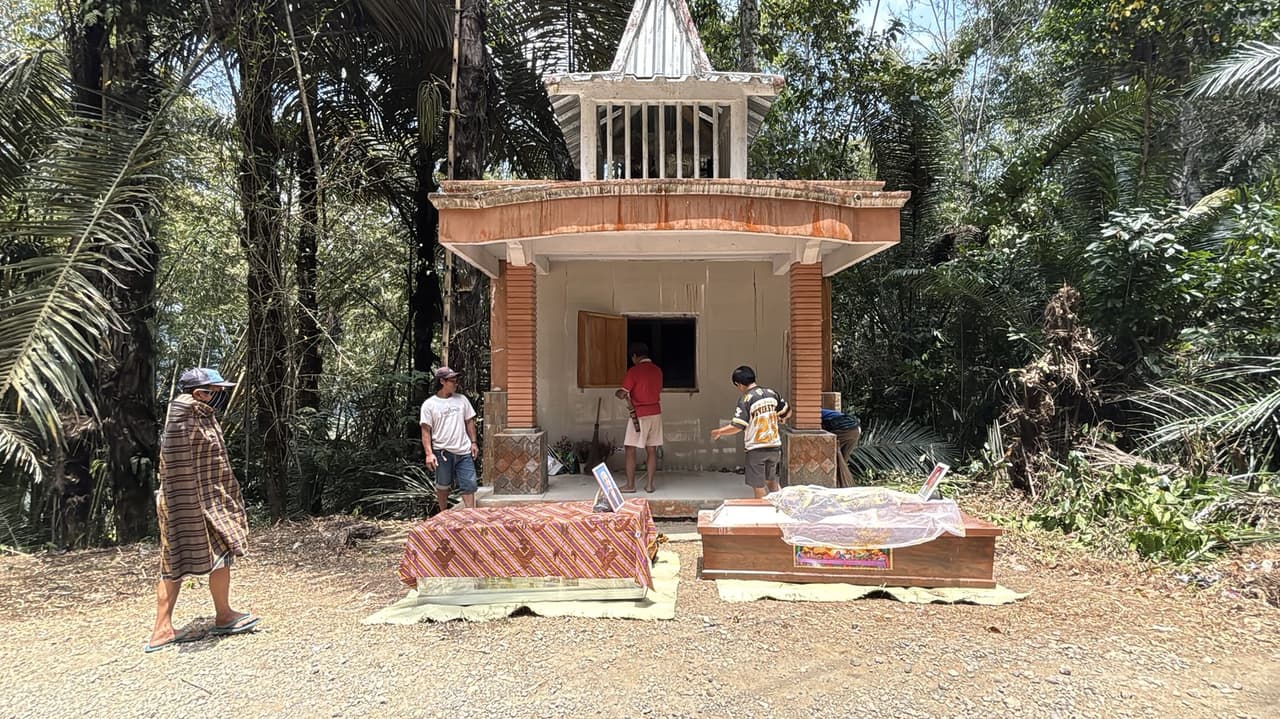
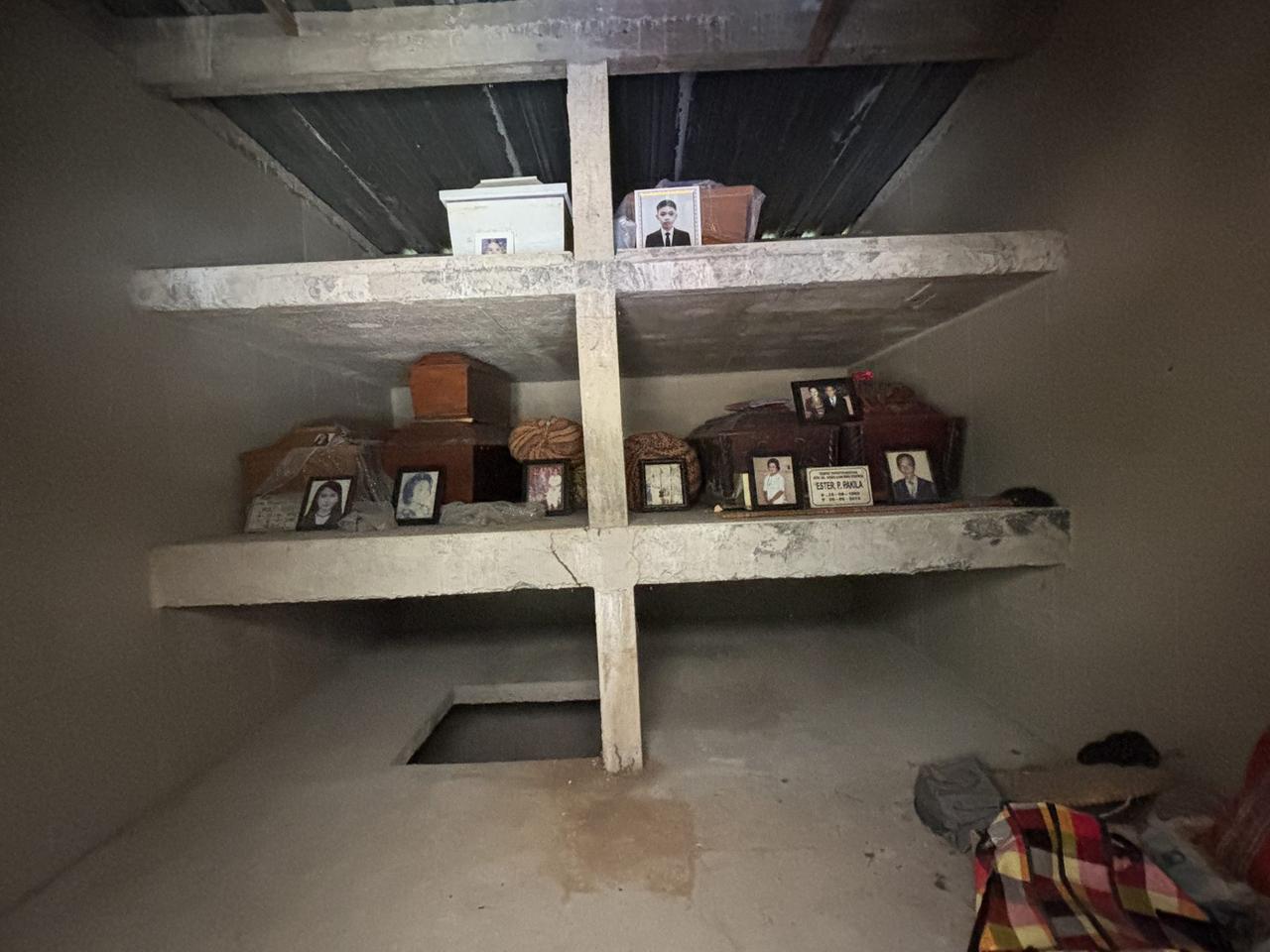
A short walk down from the boulder, maybe two minutes, brought me to the Patane, the house-shaped tomb from Day One. Its coffins had been brought out too, laid on mats in front of the building with small photographs propped against them, and the same drying and cleaning process was underway there. Stepping inside the Patane itself confirmed what I'd guessed from the outside: this space was noticeably larger and deeper than any Liang chamber up on the boulder, shelves built into the walls holding several coffins and urns at once, each marked with a photo of the person inside. More space here simply means more people can rest together, a family vault rather than a single carved room.
Betel Leaf, Lime, and Whatever the Person Loved
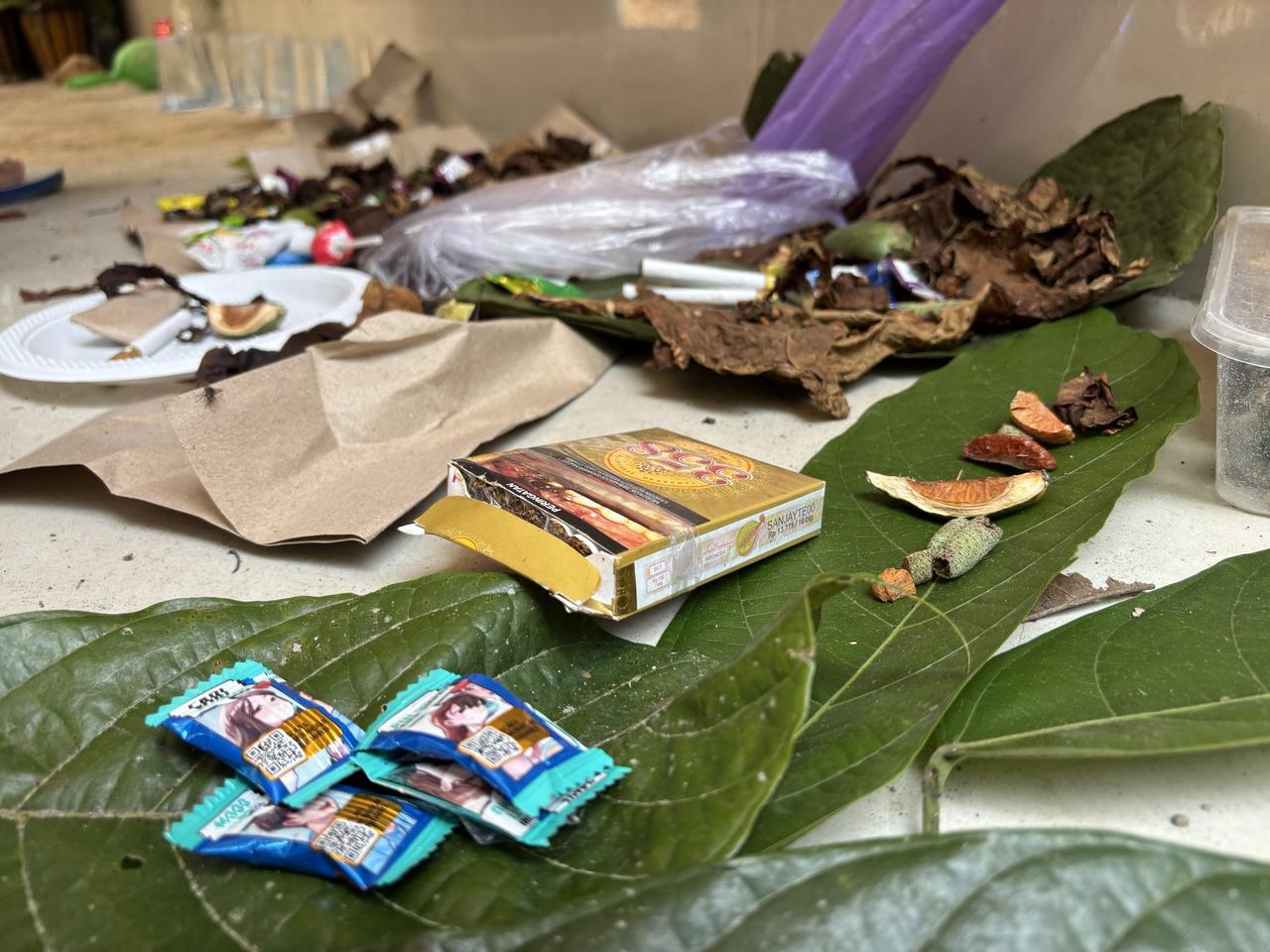
Offerings ran through the entire day, centered on something called panggang, a mix each family brings themselves, typically betel leaf, lime paste, and areca nut, laid out alongside flowers and cigarettes. I'd brought cigarettes with me and added them to an offering myself. What mattered, someone explained, was matching the offering to the actual person: you wouldn't leave cigarettes for someone who never smoked, so families tailor what they bring to who's being honored. One thing was completely absent all day: black clothing. It's considered wrong for an occasion built around reunion rather than mourning, so people showed up in white and other bright colors instead, and it showed in every face I saw, nobody looked like they were grieving.
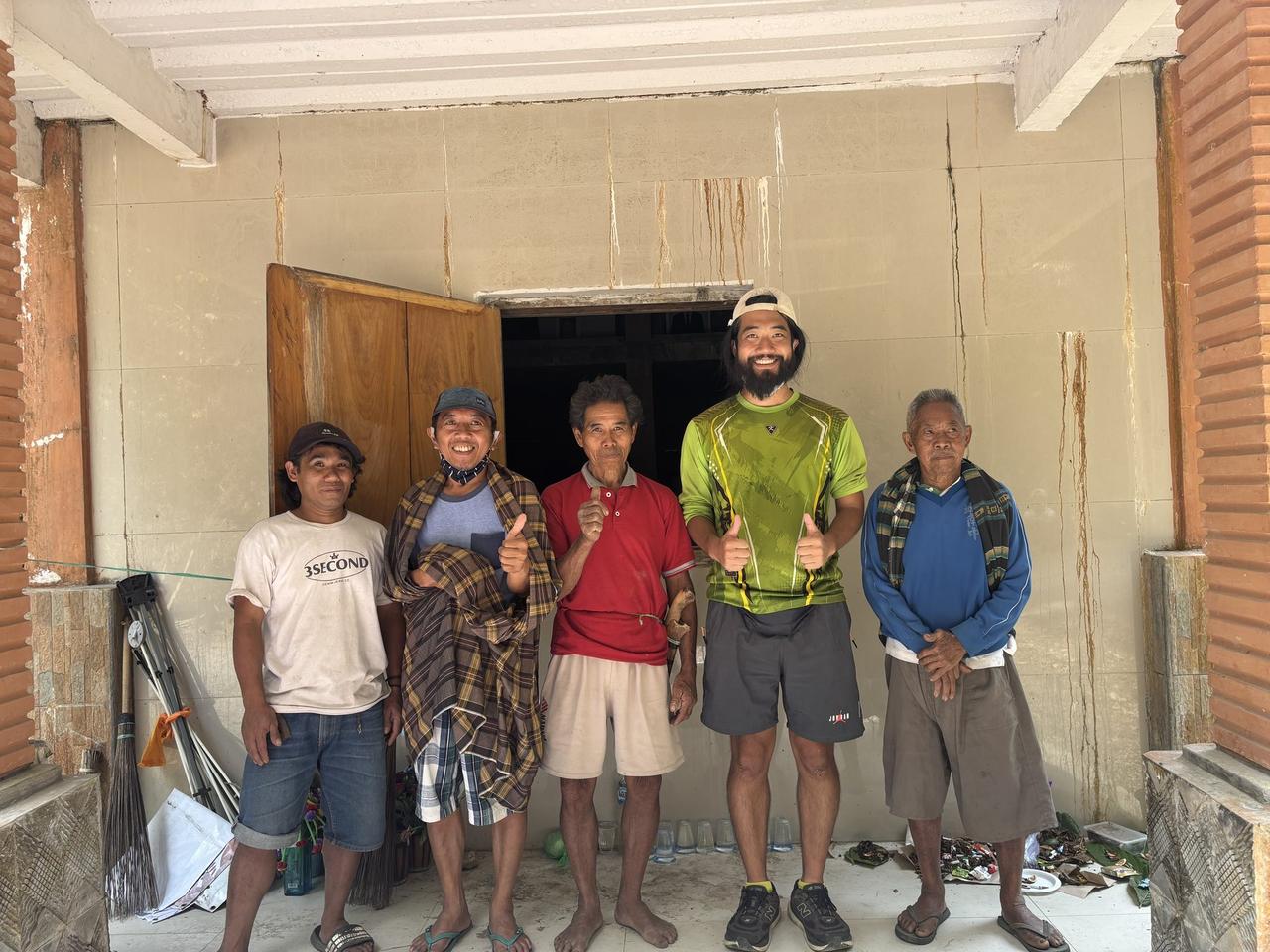
By the time I left, I understood why families only do this every three or four years, decided collectively rather than on any fixed calendar, and why the Patane I'd just walked through only opens once every five. It's not a ritual anyone treats casually enough to repeat more often than that. Standing with the men who'd spent the day carrying, opening, and re-wrapping coffins twice their own age, all of them still smiling for a photo before I rode back down the hill, it was hard not to feel like I'd been let into something genuinely private, and generously so.