Paving the Way with Bamboo
September 16th marked my second day in Tana Toraja, and it was a day destined to touch the very core of the region's profound relationship with mortality.
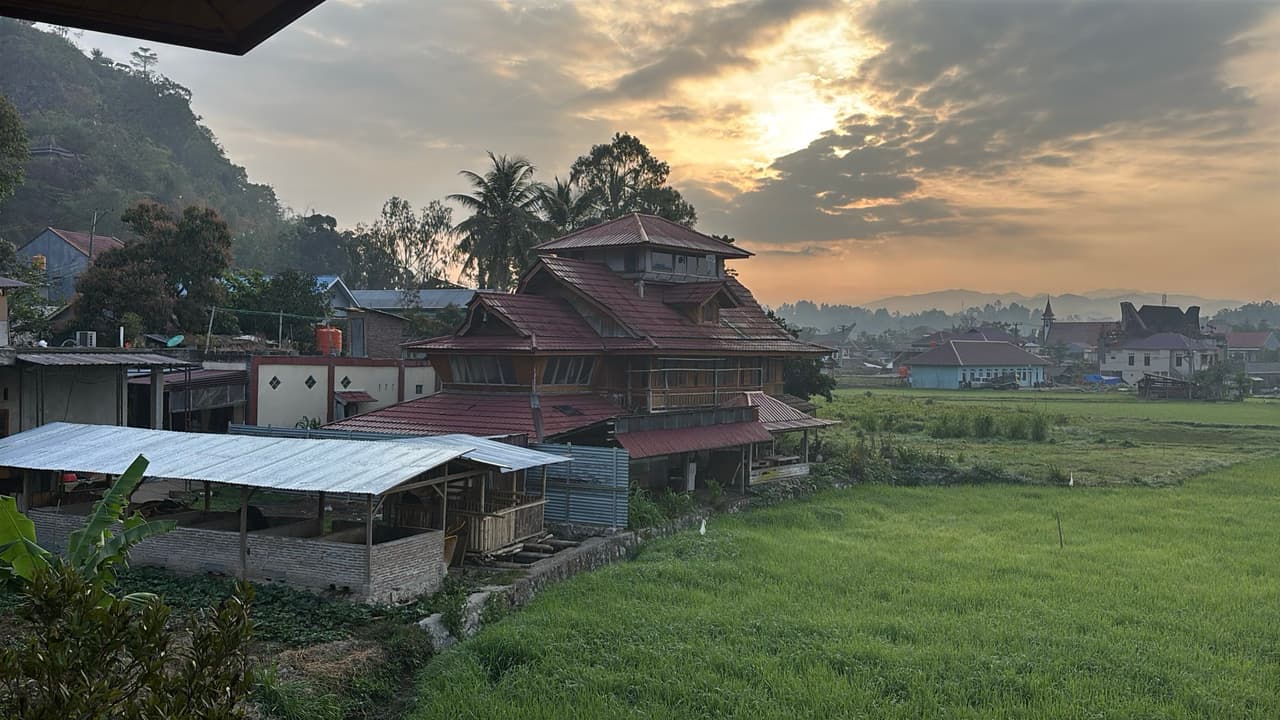
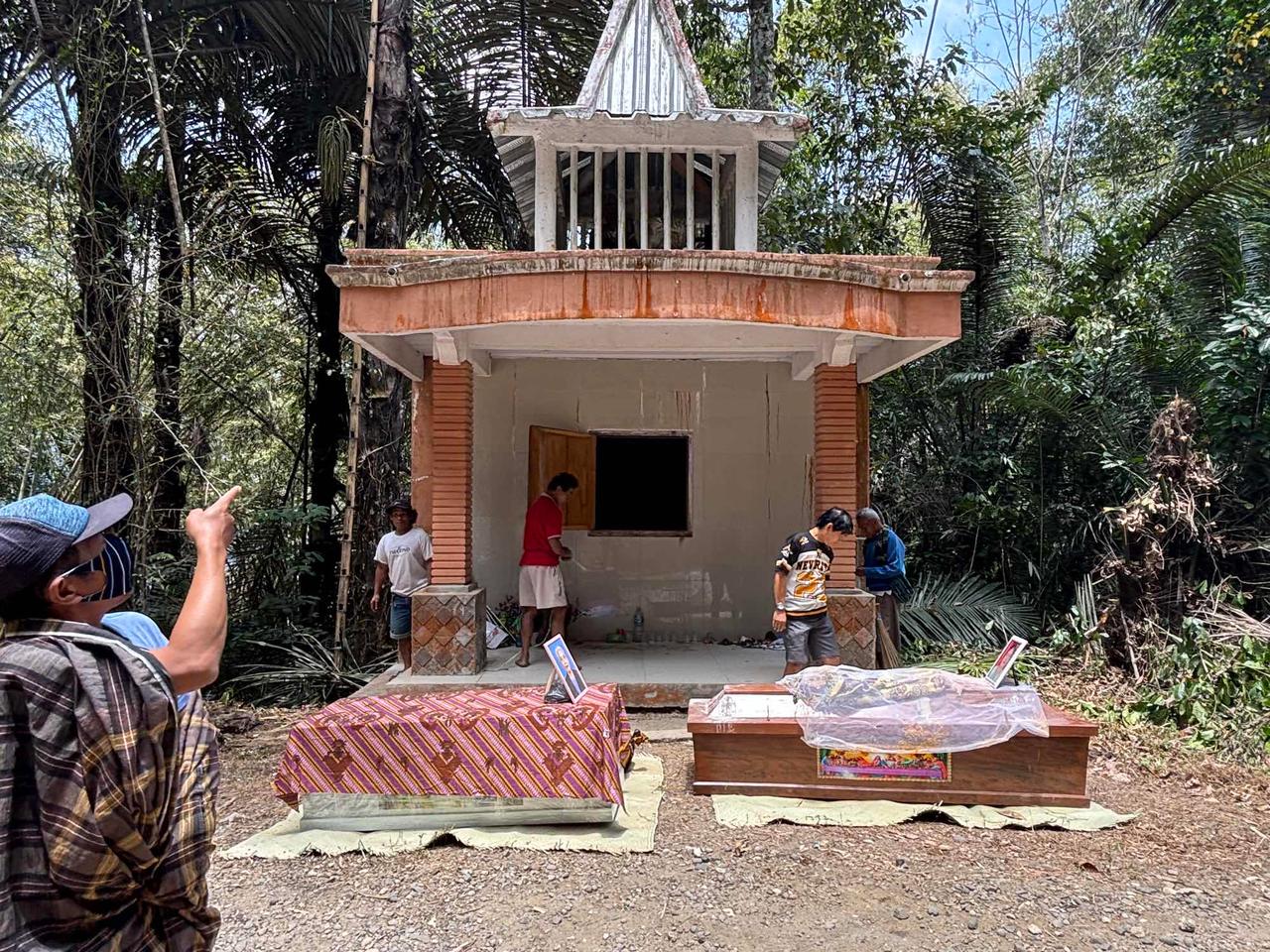
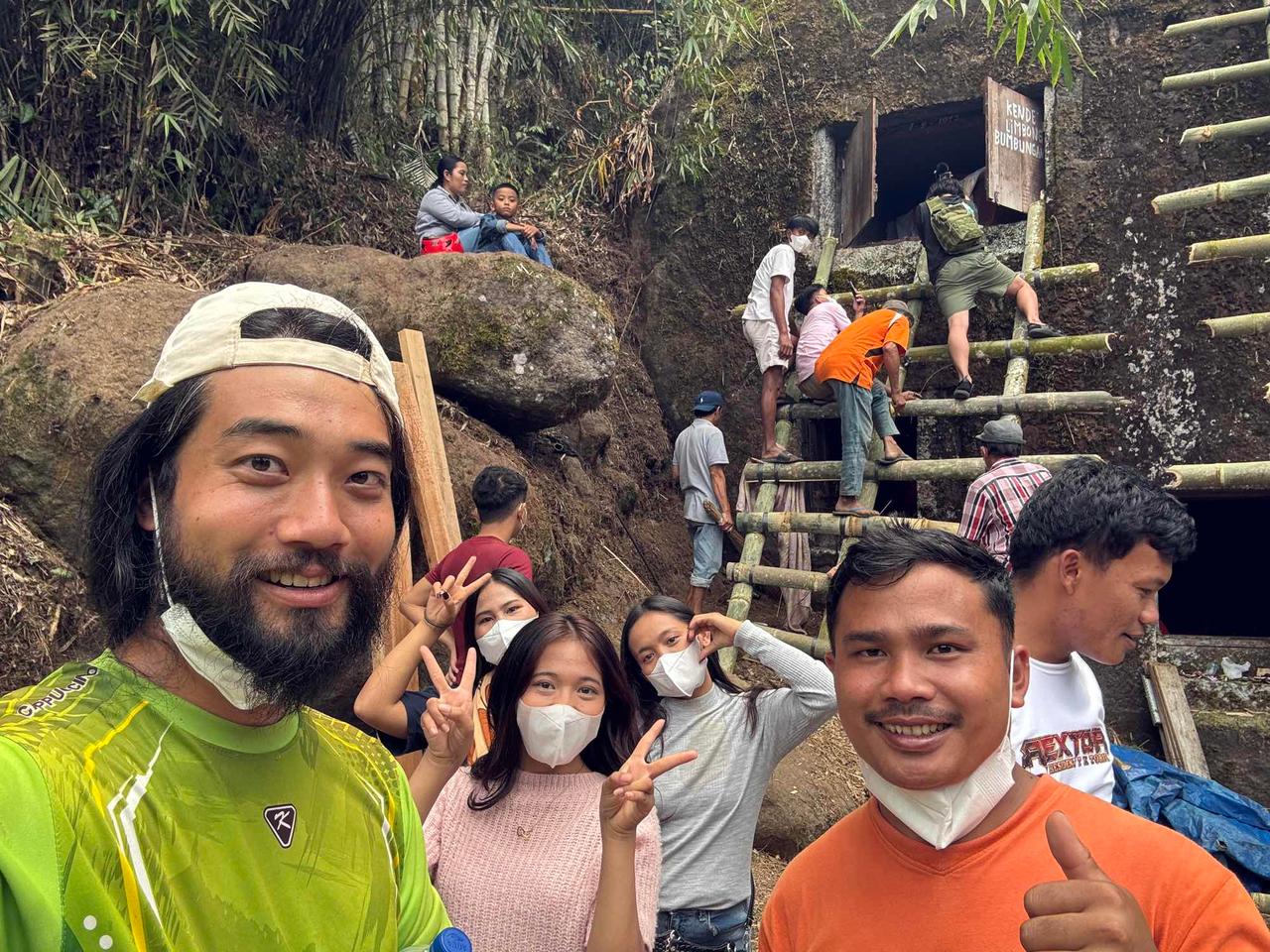
Arriving at the village around 8:30 in the morning, the air was already thick with preparation. Today was a central event of Ma'nene, a deeply sacred ritual held once every few years where families retrieve the coffins of their ancestors from carved stone graves to clean them, change their garments, and reunite with their physical forms. Rather than standing by as mere spectators, my companions and I sought to actively participate in the preparations.
Festivals & Rituals
Ma'nene, Day Two: The Toraja Ritual Where Families Bring Their Ancestors Back Into the Light
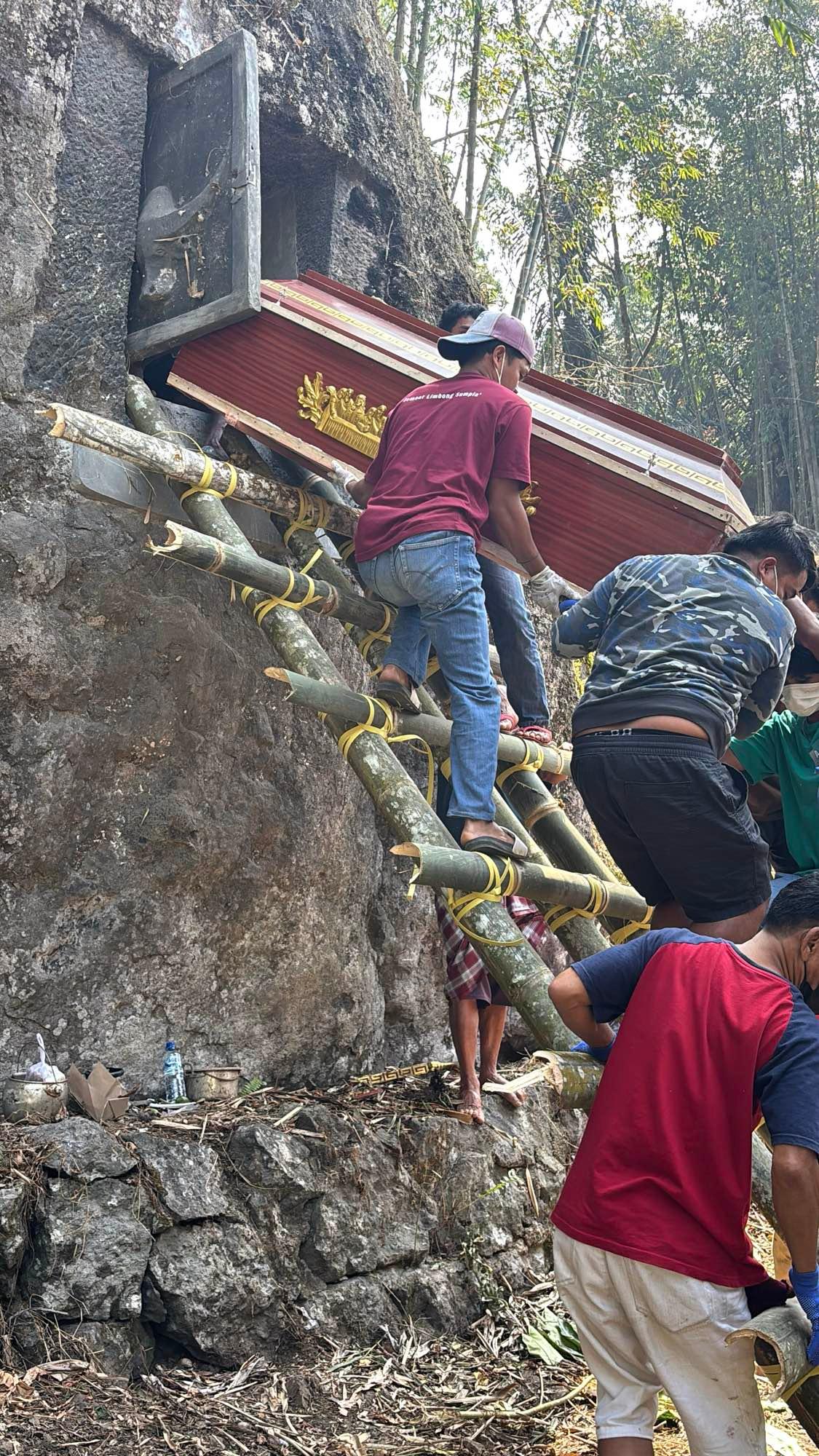
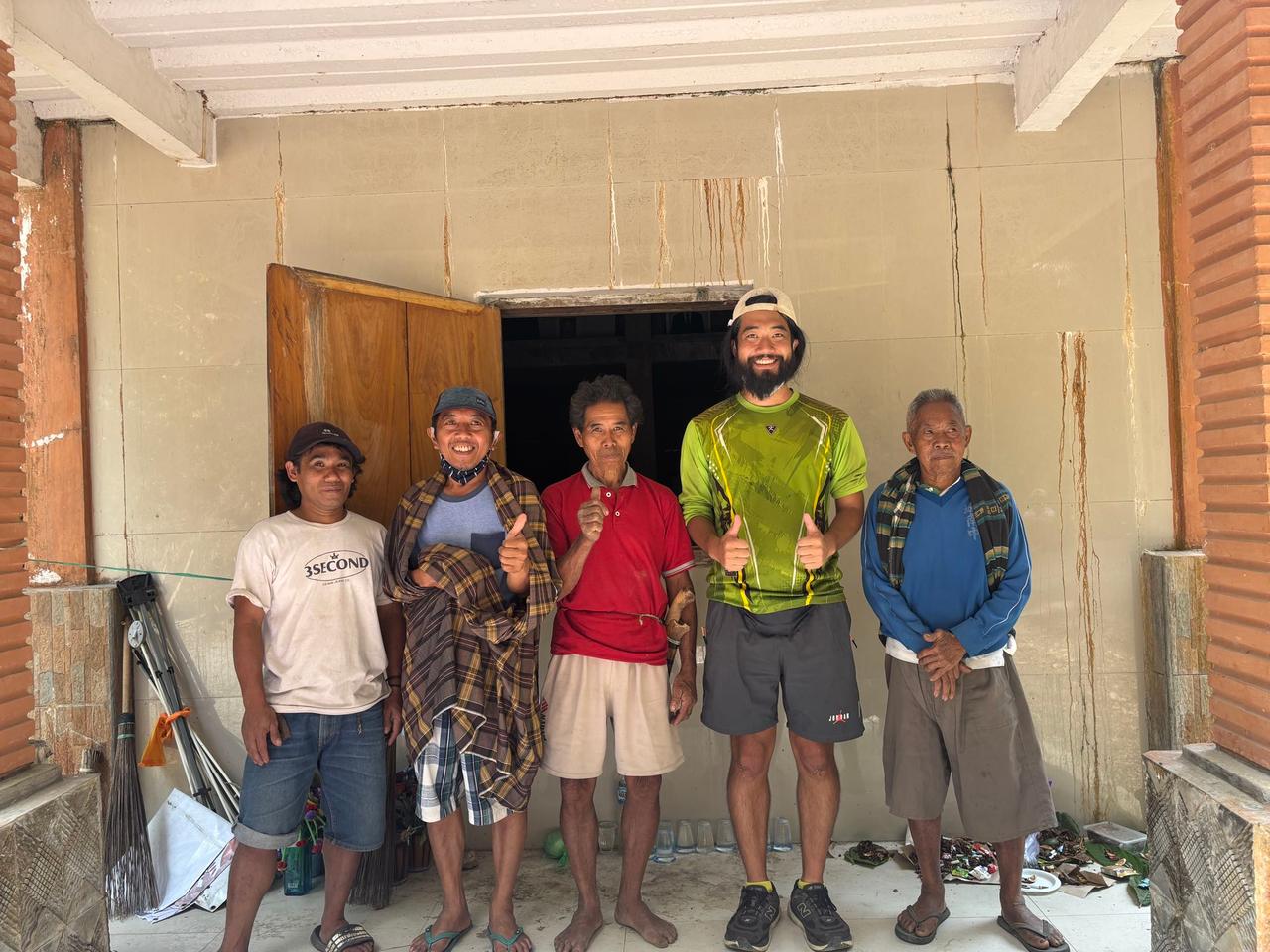
We helped cut fresh bamboo from the surrounding slopes, constructing a makeshift track to safely slide the heavy wooden coffins out from the rock face. It was entirely manual labor, relying solely on materials provided by nature. By clearing the brush and sweeping the grounds, we hoped our physical efforts as outsiders would convey a silent, profound respect for their ancestors.
Breaking the Silver Seal: A Joyous Reunion
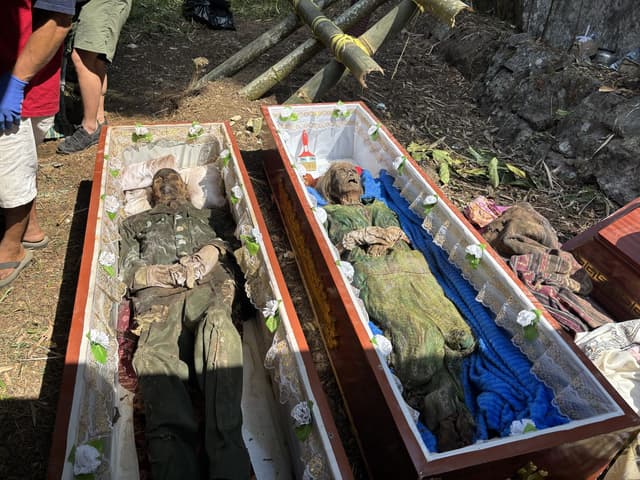
At 9:30 AM, the first coffin was drawn from the stone. The silver tape, wrapped tightly around the edges to seal out the elements, was slowly torn away by the hands of the family.
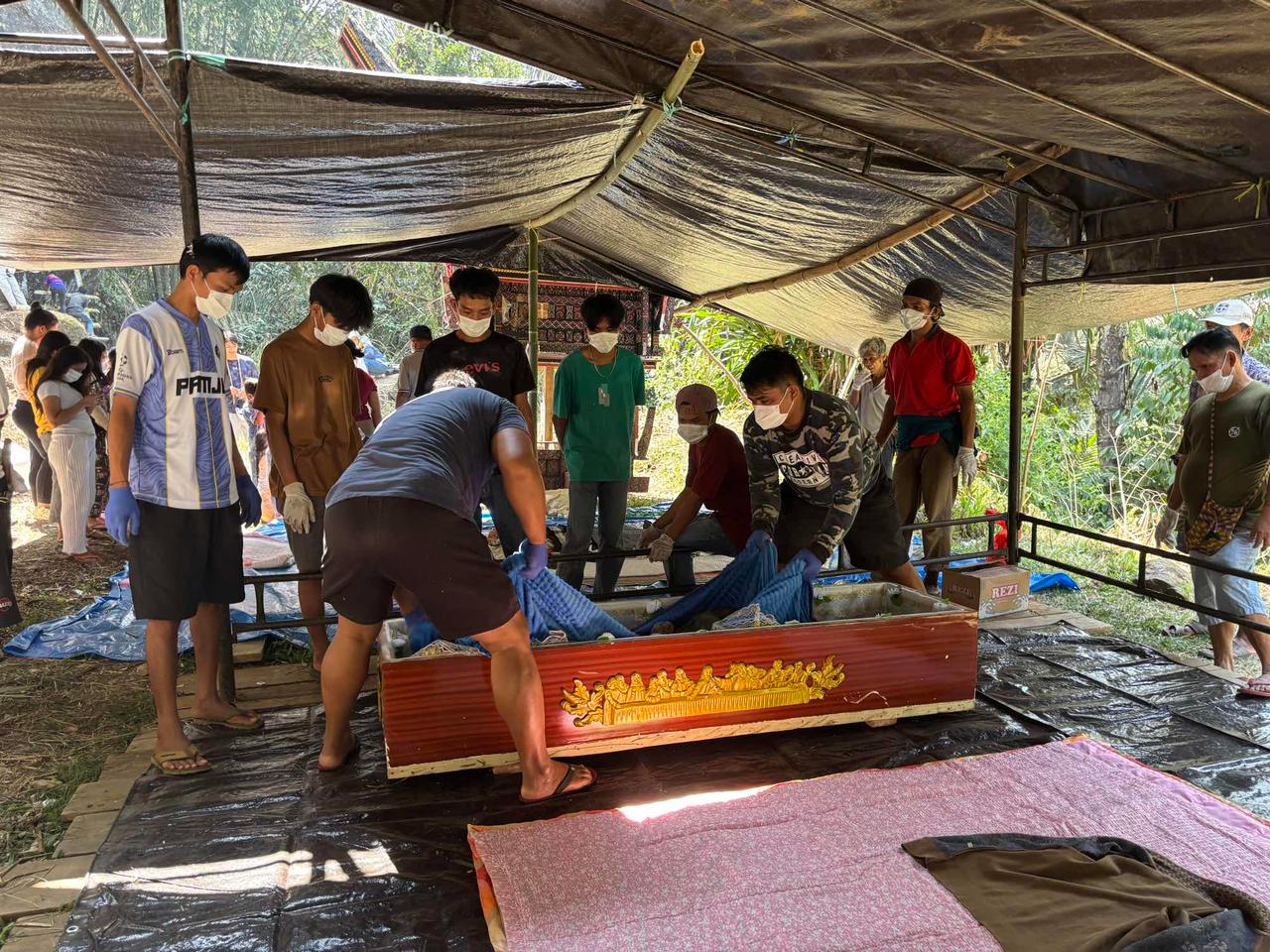
As the mummified bodies, carefully wrapped in cloth, were revealed to the light of day, the atmosphere was not one of sorrow or terror. In my home country of Japan, cremation ensures that one never sees the physical form of a loved one again. Yet here in Toraja, families are granted the extraordinary opportunity to look upon the faces of their ancestors once more.
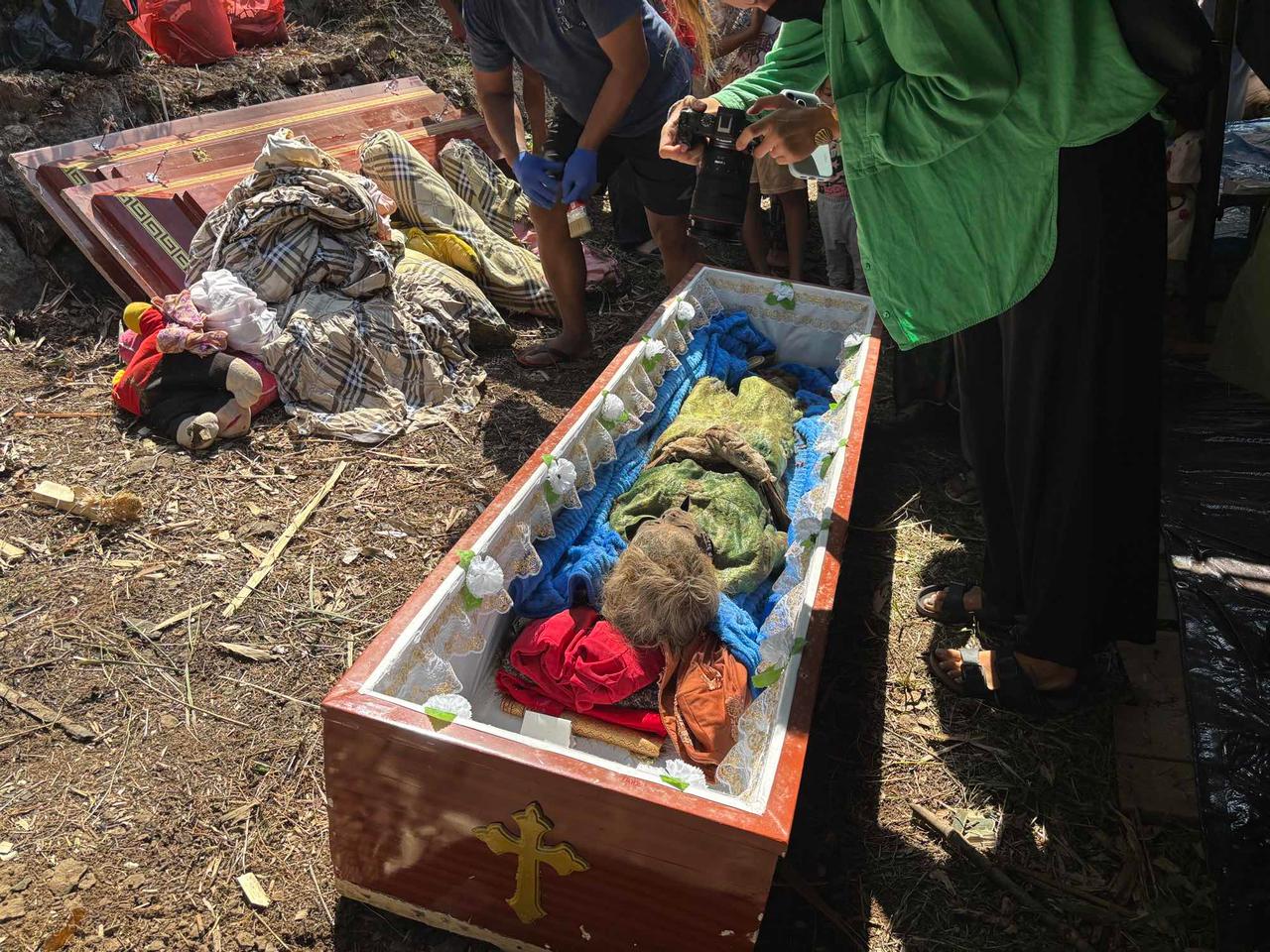
Astonishingly, the space was filled not with grief, but with a bright, heartwarming aura—a genuine joy of reunion.
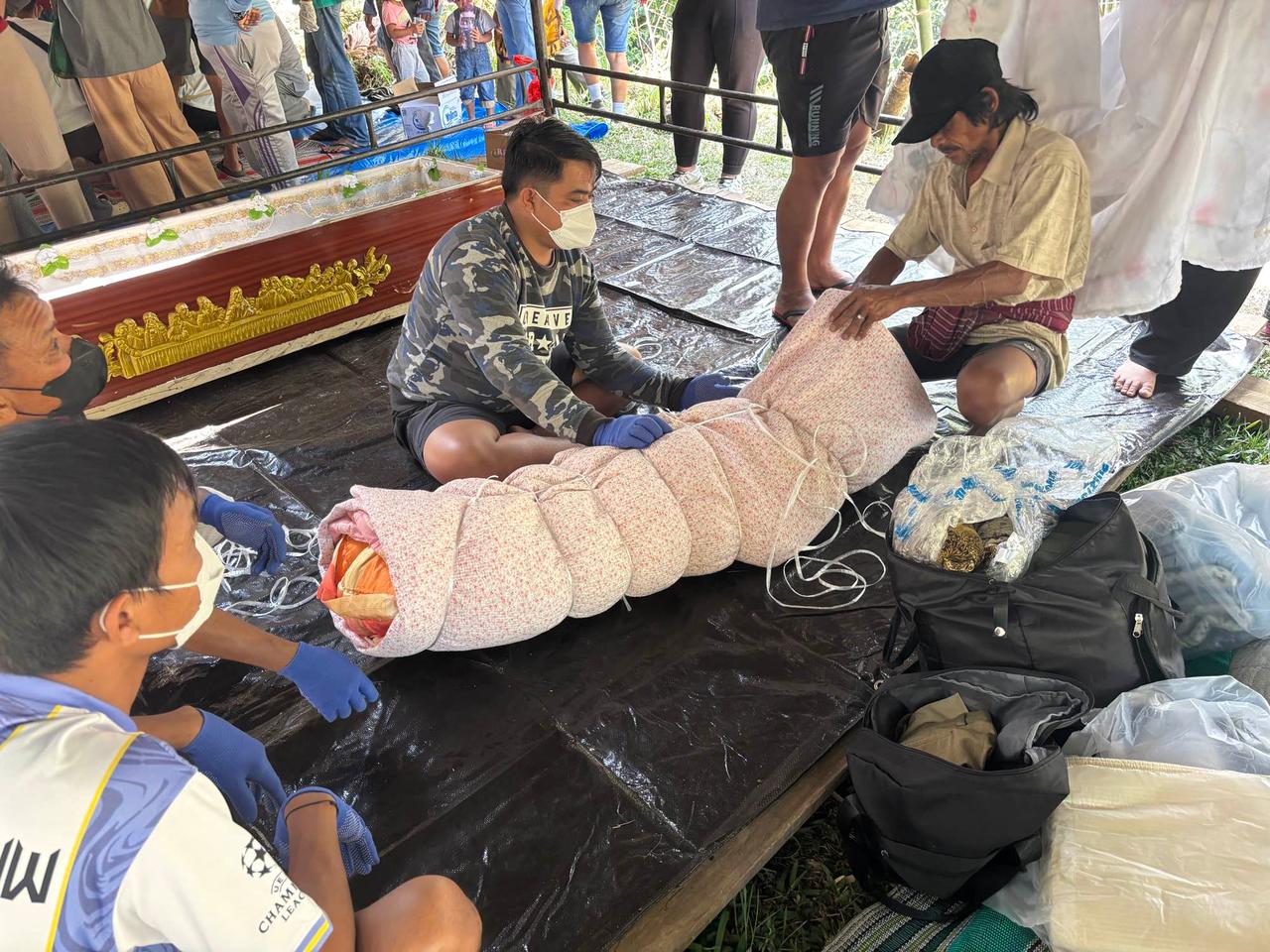
Though fundamentally an intimate family ritual, a diverse crowd of foreign travelers was permitted to respectfully observe this delicate boundary where life and death seamlessly merge. This unique dynamic spoke volumes about the remarkable inclusivity of the Torajan people.
The Pasar Bolu Buffalo Market: Wealth in Horns
Leaving the Ma'nene site, we journeyed to another cornerstone of Torajan culture: the Pasar Bolu livestock market.
Traditional Heritage
Pasar Bolu: The Rantepao Market Where Toraja Buys and Sells the Buffalo It Sacrifices
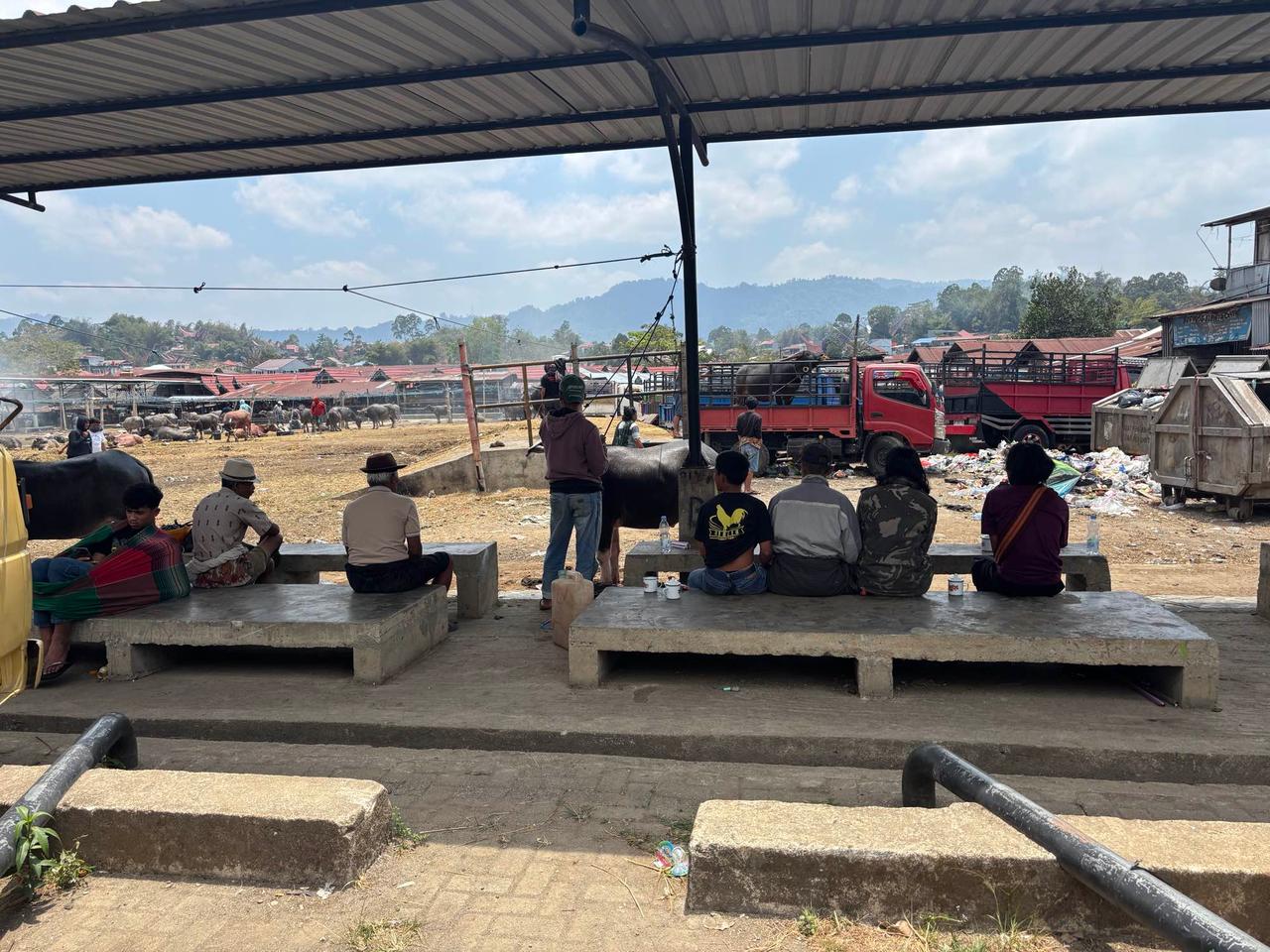
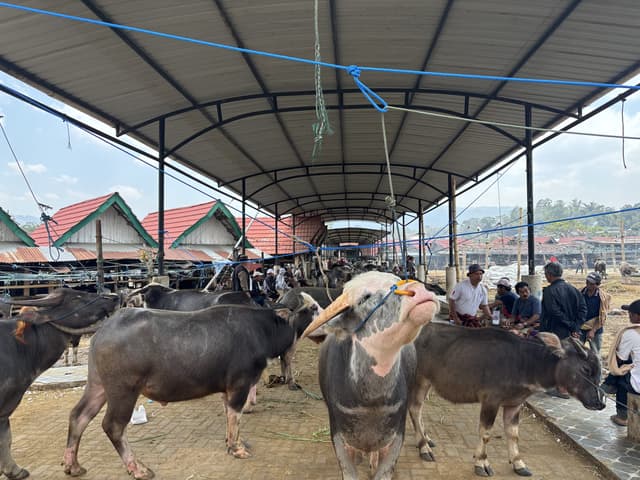
This vast, bustling arena is where water buffaloes—the essential sacrificial offerings for the grand Rambu Solo funerals—are traded. Well over a hundred majestic beasts were tethered across the grounds, surrounded by the heated murmurs of intense negotiation.
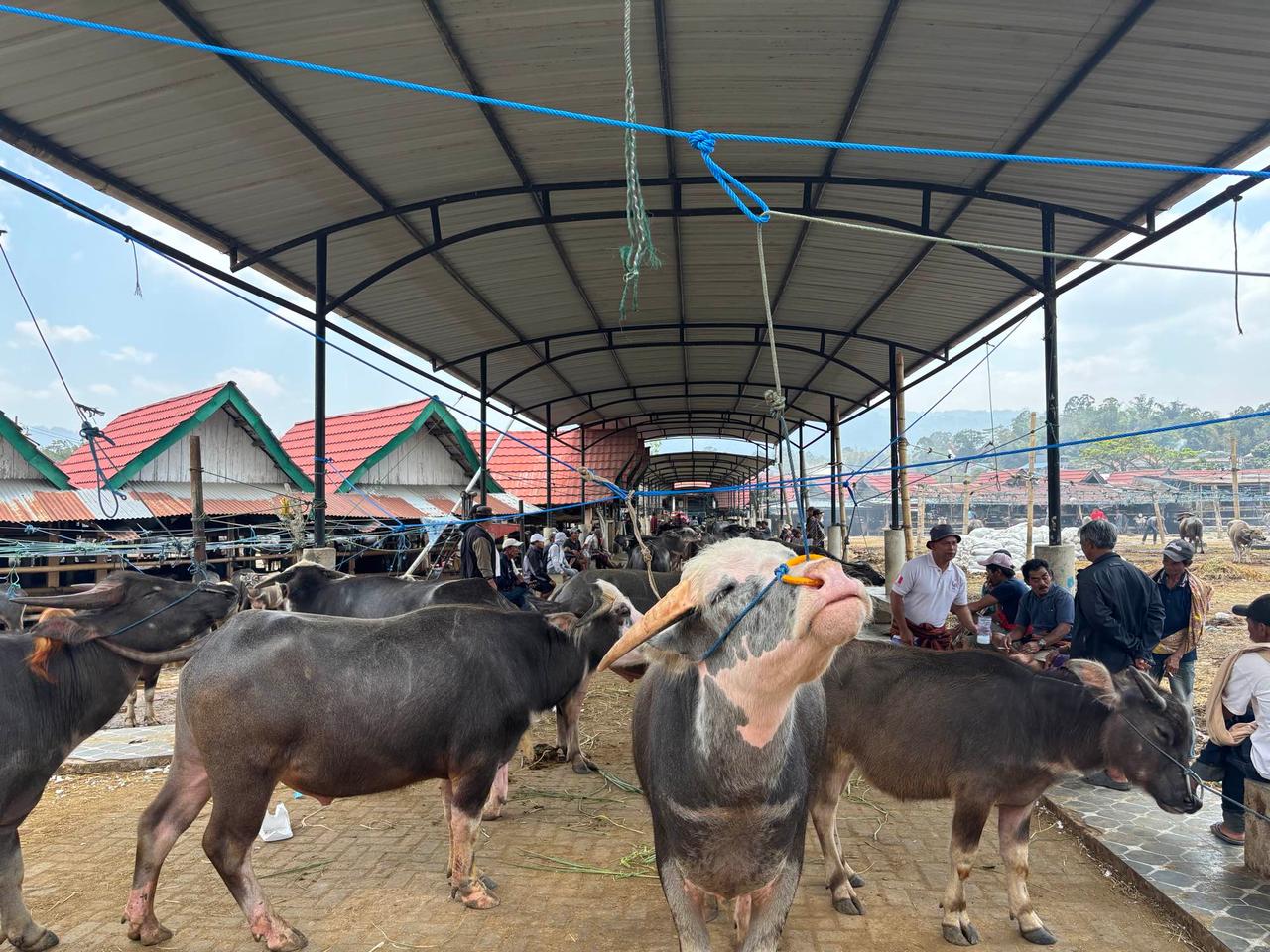
To the Torajan people, a buffalo is not merely livestock; it is a sacred vessel that carries the soul of the deceased into the afterlife. Consequently, the size, curve of the horns, and the unique patterns of their black-and-white coats directly determine their value. A standard buffalo commands at least around $6,600 USD, while a specimen of extraordinary beauty can fetch tens of thousands of dollars. Here, life is meticulously priced, only to be offered up in reverence to honor another life passed.
Baby Graves: Returning to the Embrace of Nature
Our next destination was a deeply moving site in the Bori region, simply known as the "Baby Graves."
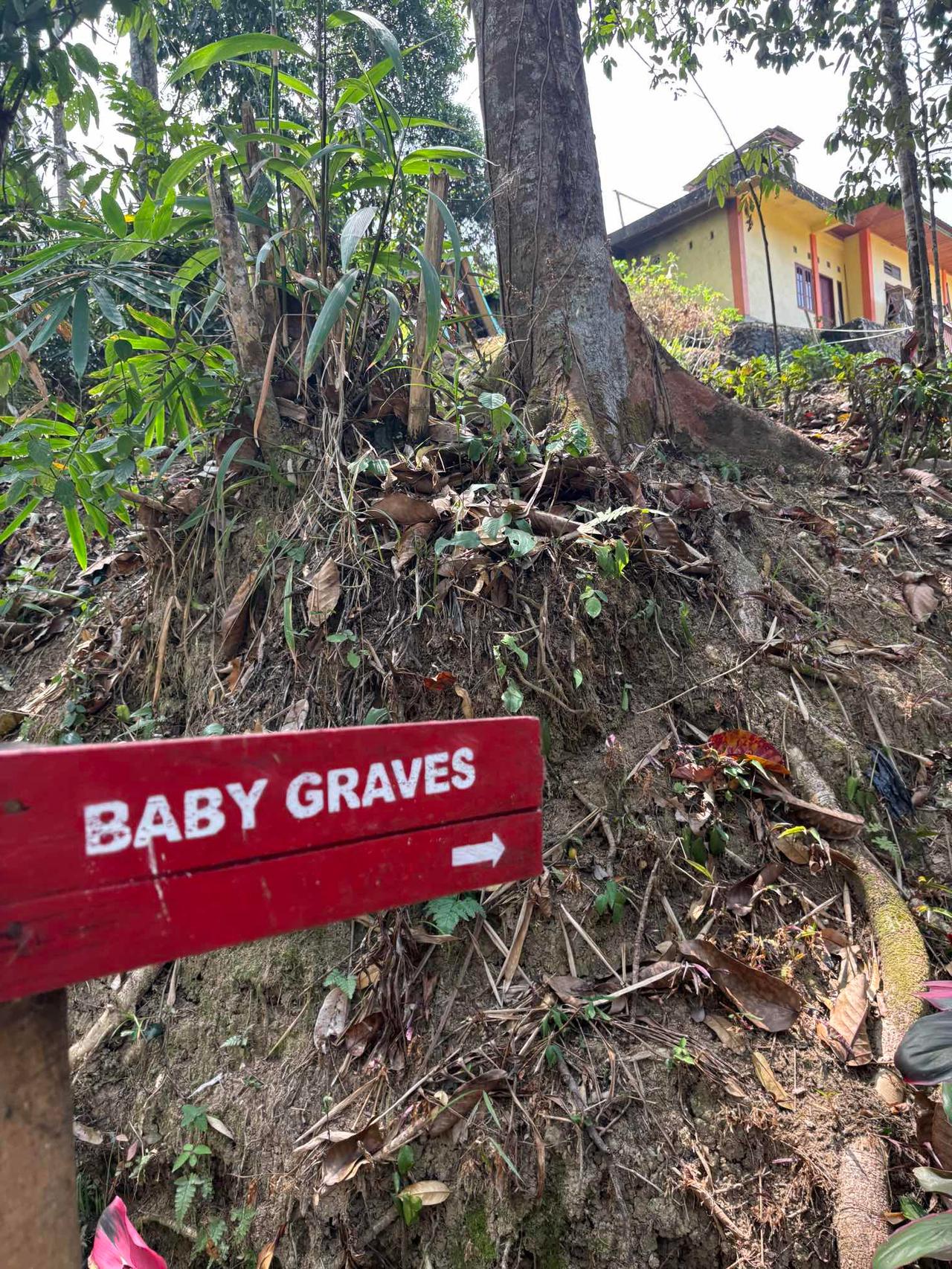
Deep within a quiet, verdant forest stood massive trees, their thick trunks punctuated by small, square wooden doors. This is where infants who pass away before teething are laid to rest. The tiny bodies are wrapped in cloth and placed gently inside the hollowed-out living wood.
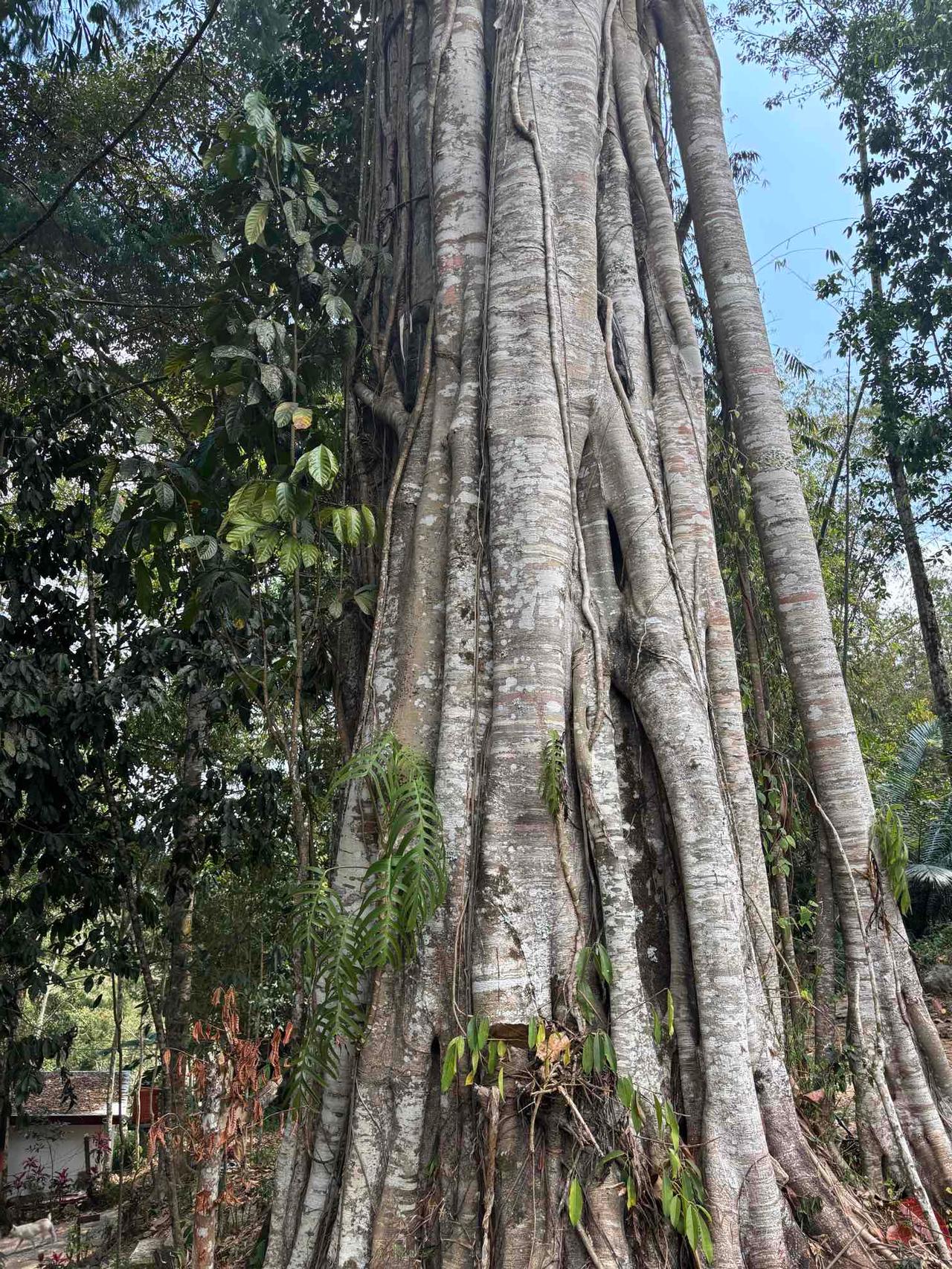
The Torajans believe that the tree's rich sap serves as a substitute for a mother's milk, allowing the child's soul to grow in harmony with the living tree. Rather than burying their young in the cold earth, they return them to the vibrant embrace of nature. The quiet rustling of the leaves seemed to echo their unwavering belief in the eternal cycle of life.
A Taste of Toraja and the Doors Yet to Open
As dusk settled over the town, we found comfort in the local cuisine.
After a hearty lunch of Mie Babi (pork noodles) that replenished our energy,
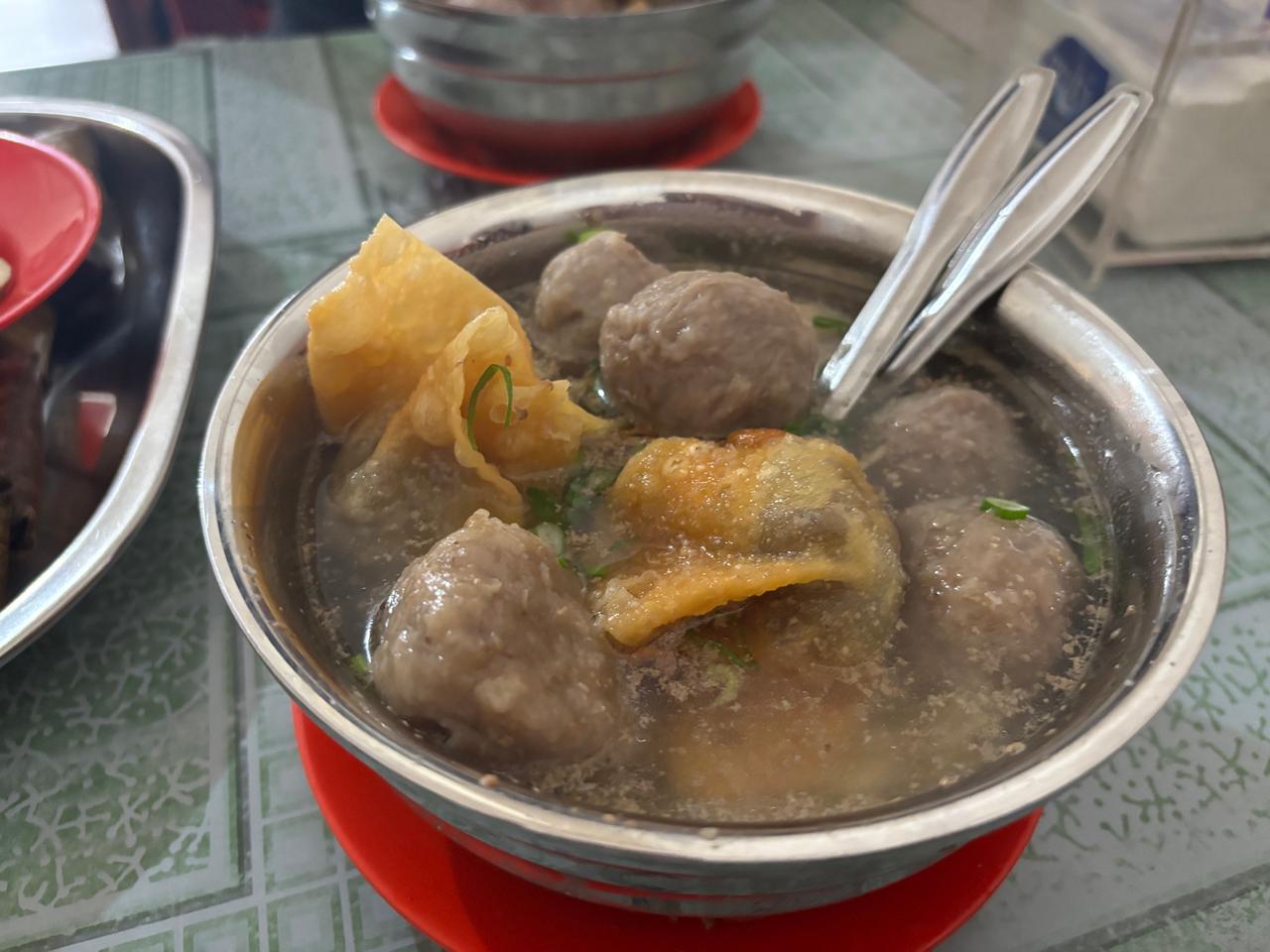
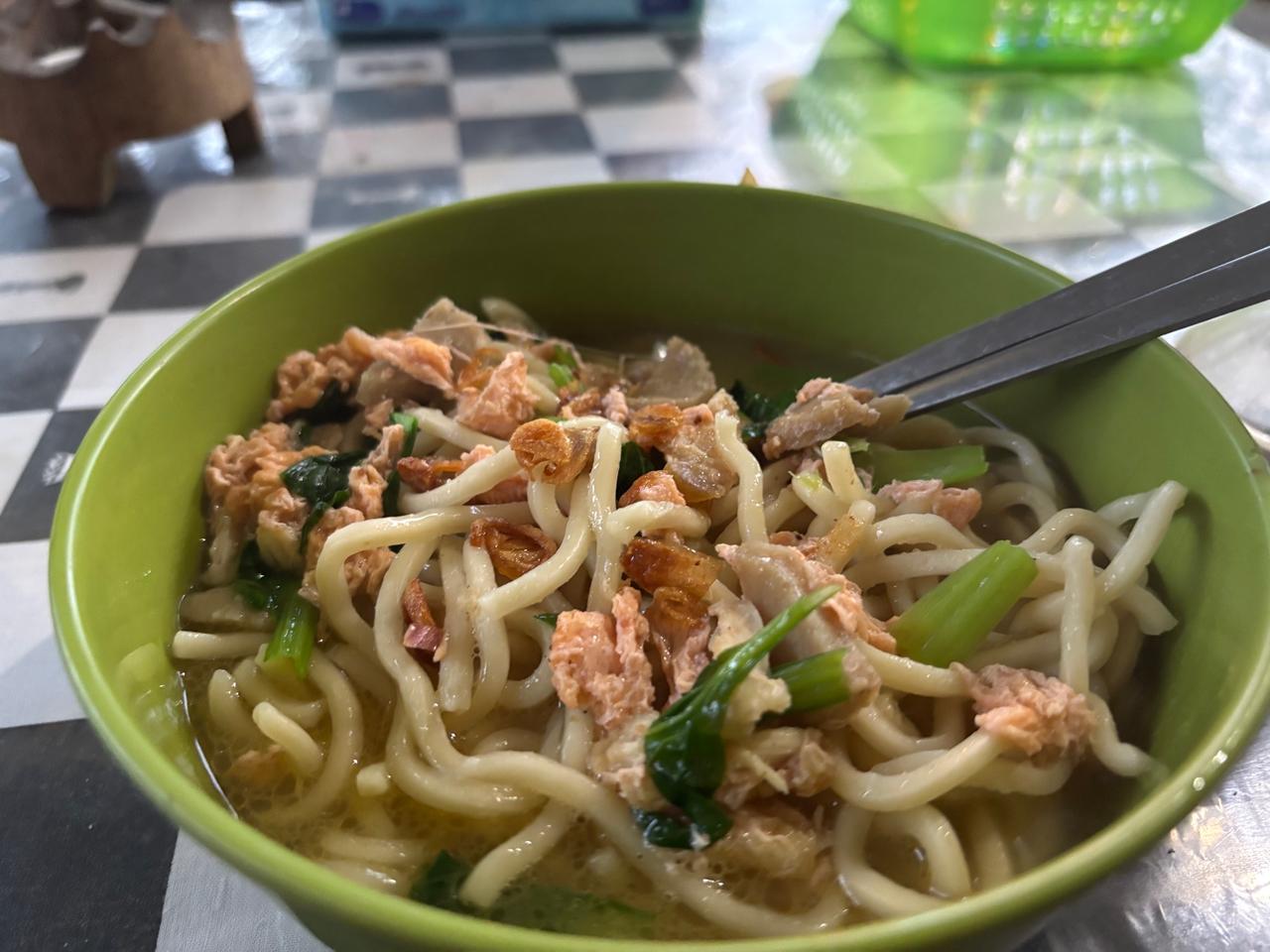
dinner consisted of a soothing bowl of Mie Kuah (noodle soup) near our accommodation. The simple, warming broth slowly dissolved the emotional intensity of the day.
Tomorrow will be the third day of the Ma'nene ritual, where new wooden doors will be crafted for the stone graves. There is also a chance we might witness the buffalo sacrifices at a Rambu Solo funeral, should timing permit.
In this extraordinary land where the living and the dead share the same breath, one can only wonder what scenes tomorrow will unveil. As the night deepened, a quiet anticipation for the journey ahead took root in my mind.