Beyond the Mountains: Arriving in Rantepao
September 15th. After an eight-hour journey on a sleeper bus under the cover of darkness, I finally set foot in Rantepao, the beating heart of the Toraja region.
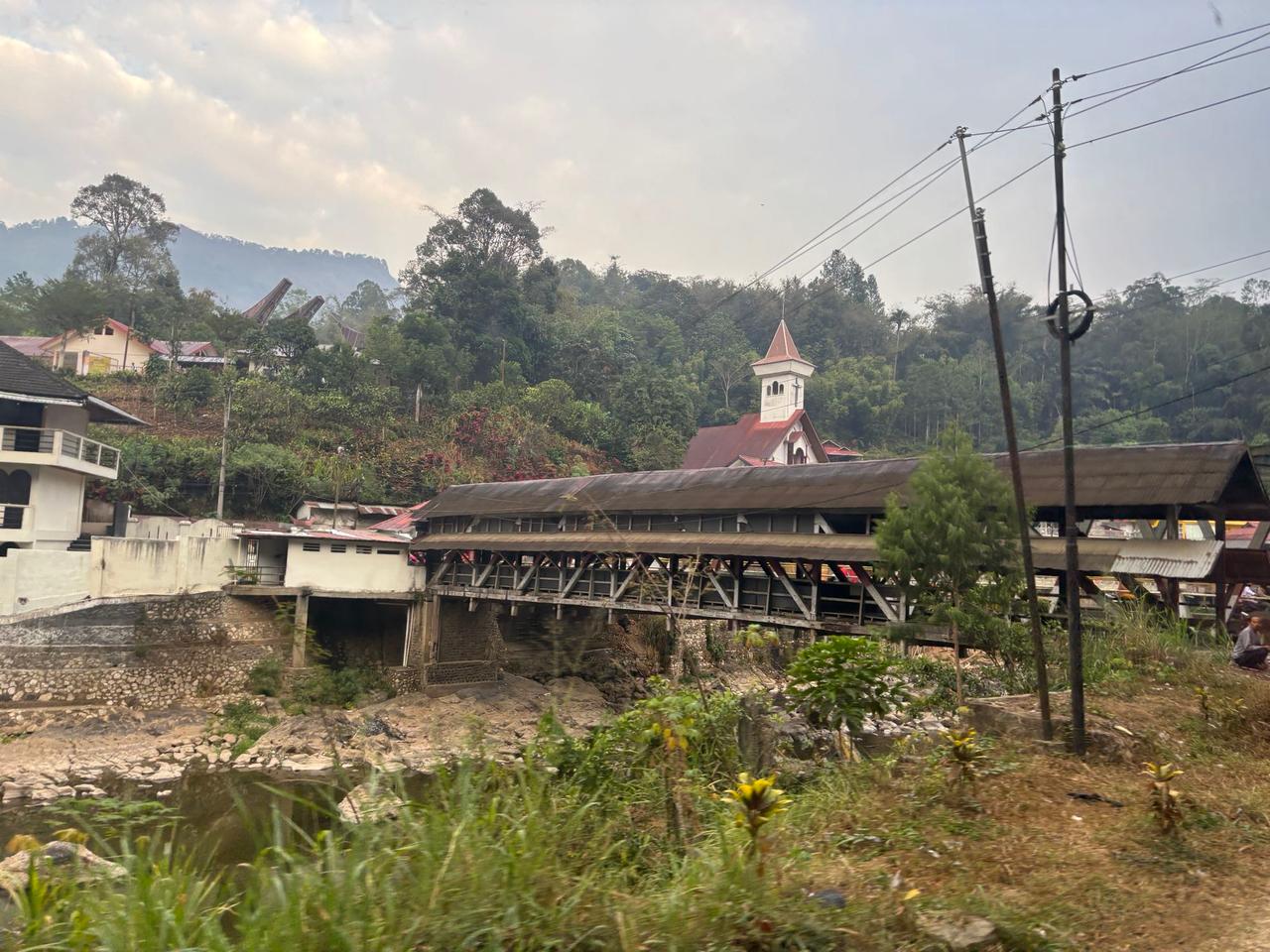
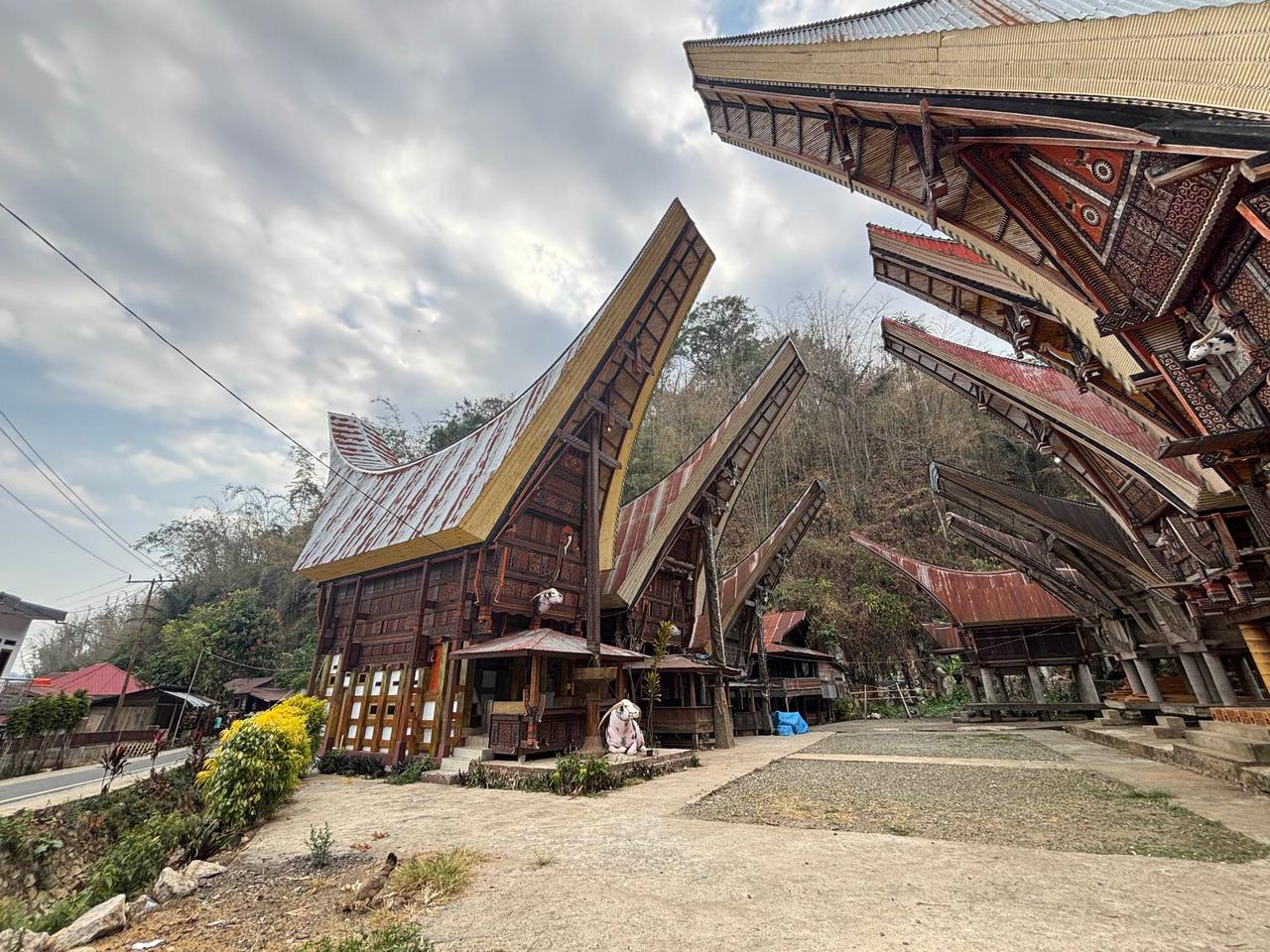
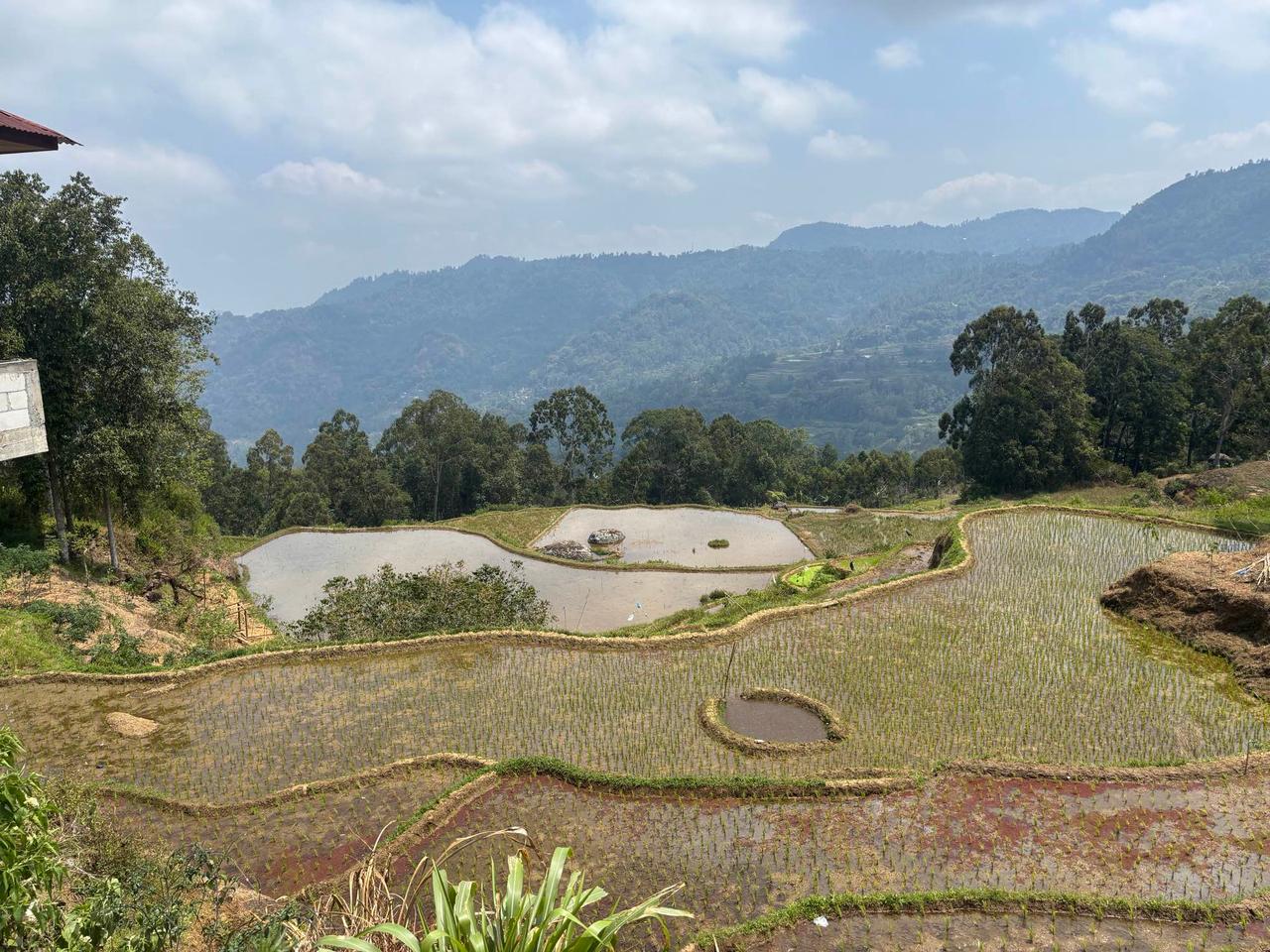
While I had envisioned a quiet, isolated rural village, Rantepao revealed itself to be a surprisingly large and bustling city. Yet, stepping just slightly off the main thoroughfares, the landscape transformed. Traditional Tongkonan houses with their striking saddleback roofs and intricate tribal motifs dotted the landscape, surrounded by endless terraces of vibrant green rice fields.
Despite the heavy traffic typical of developing cities, the area felt remarkably organized and refined. The streets were clean, devoid of the unpleasant odors one might expect. There was an undeniable, deeply rooted sense of order here.
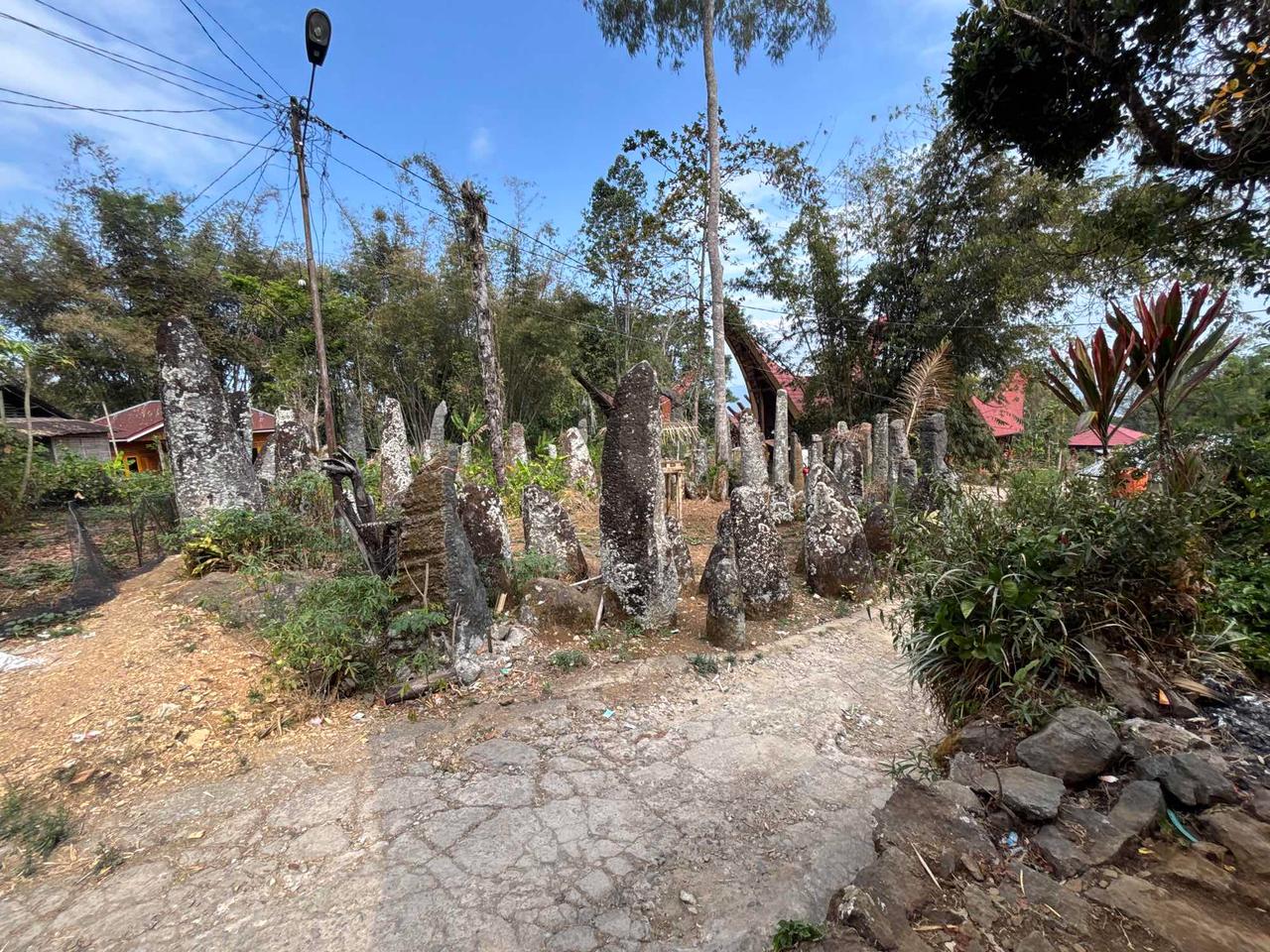
Living Alongside the Dead
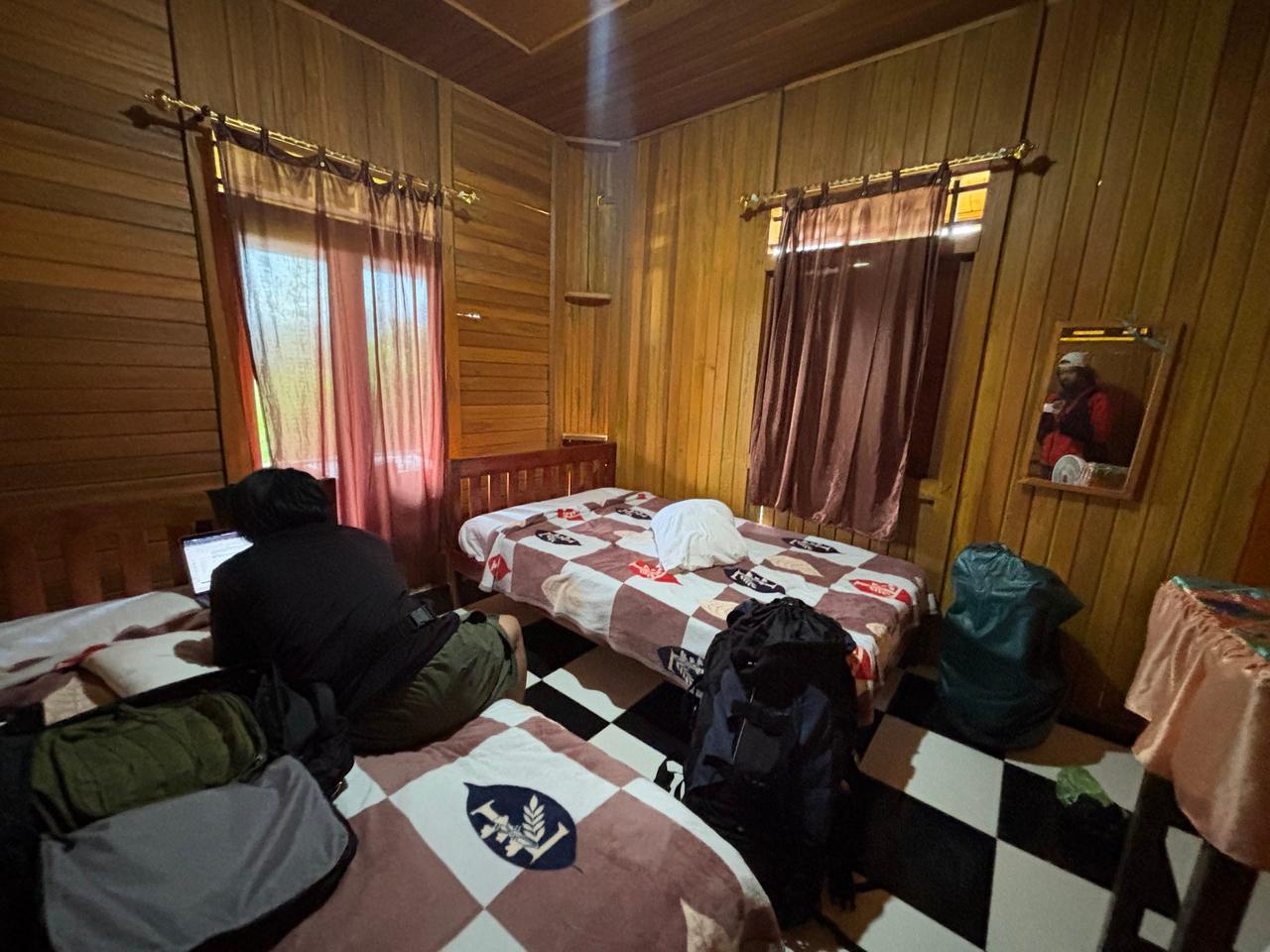
I established my base at "The Singki Home Family," a welcoming guesthouse run by Immanuel and Kevin. Both men were incredibly gracious and profoundly knowledgeable about their heritage.
They introduced me to the two foundational pillars of Torajan cultural life: Ma'nene, the ritual of extracting ancestors from their tombs every three to four years to clean and dress them in fresh clothes, and Rambu Solo, the grand funeral ceremony involving the mass sacrifice of water buffalo.
Festivals & Rituals
Ma'nene, Day One: The Toraja Ritual That Opens a Tomb Before Anyone Touches What's Inside
Festivals & Rituals
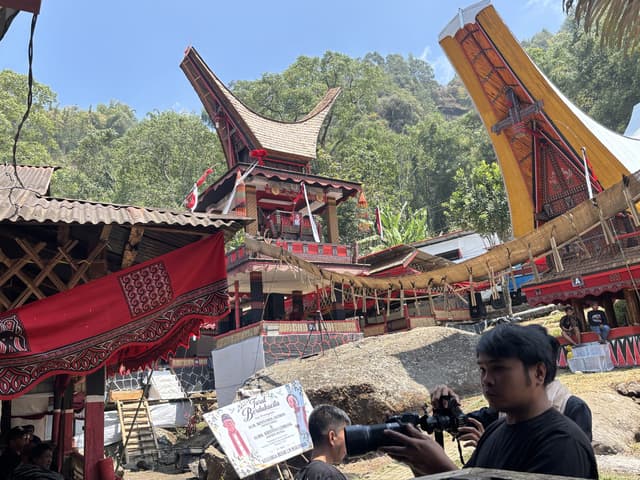
Rambu Solo, Day One: Inside a Toraja Funeral Years in the Making
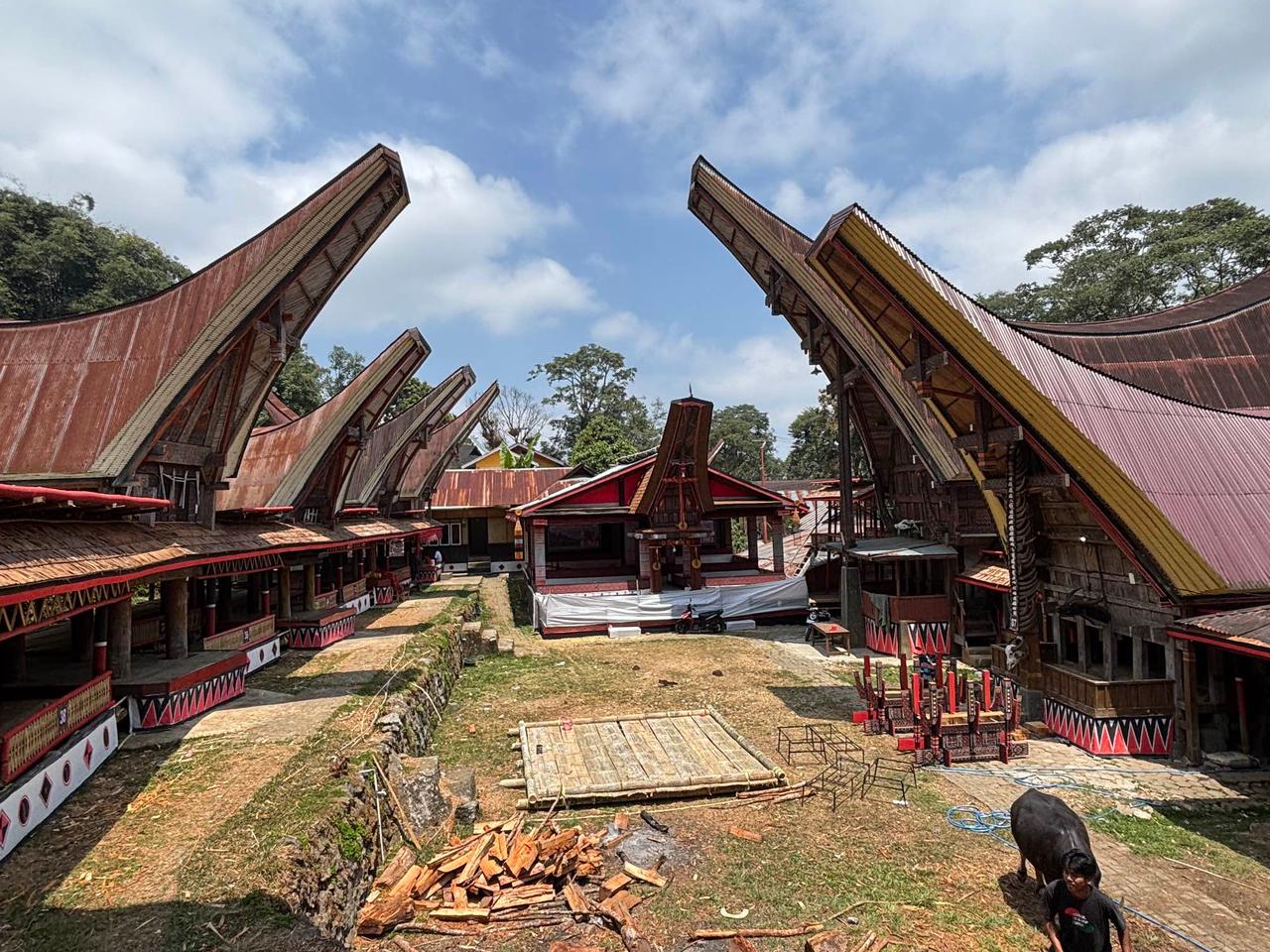
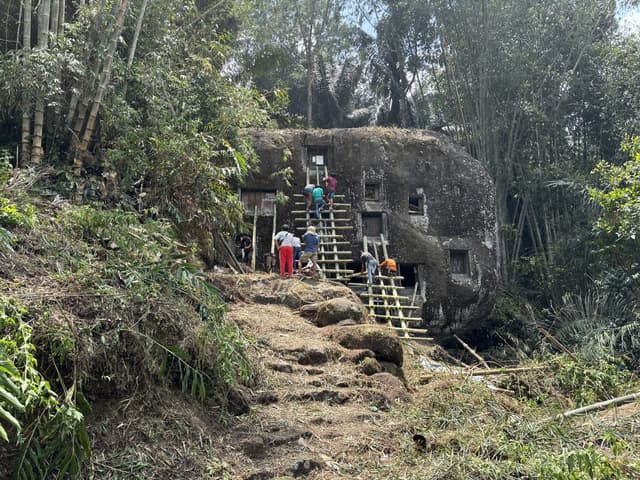
By a stroke of luck, I was granted the rare opportunity to witness the exact moment a family opened a tomb for the Ma'nene ritual that very day. Venturing into a mountain settlement, I visited two separate gravesites.
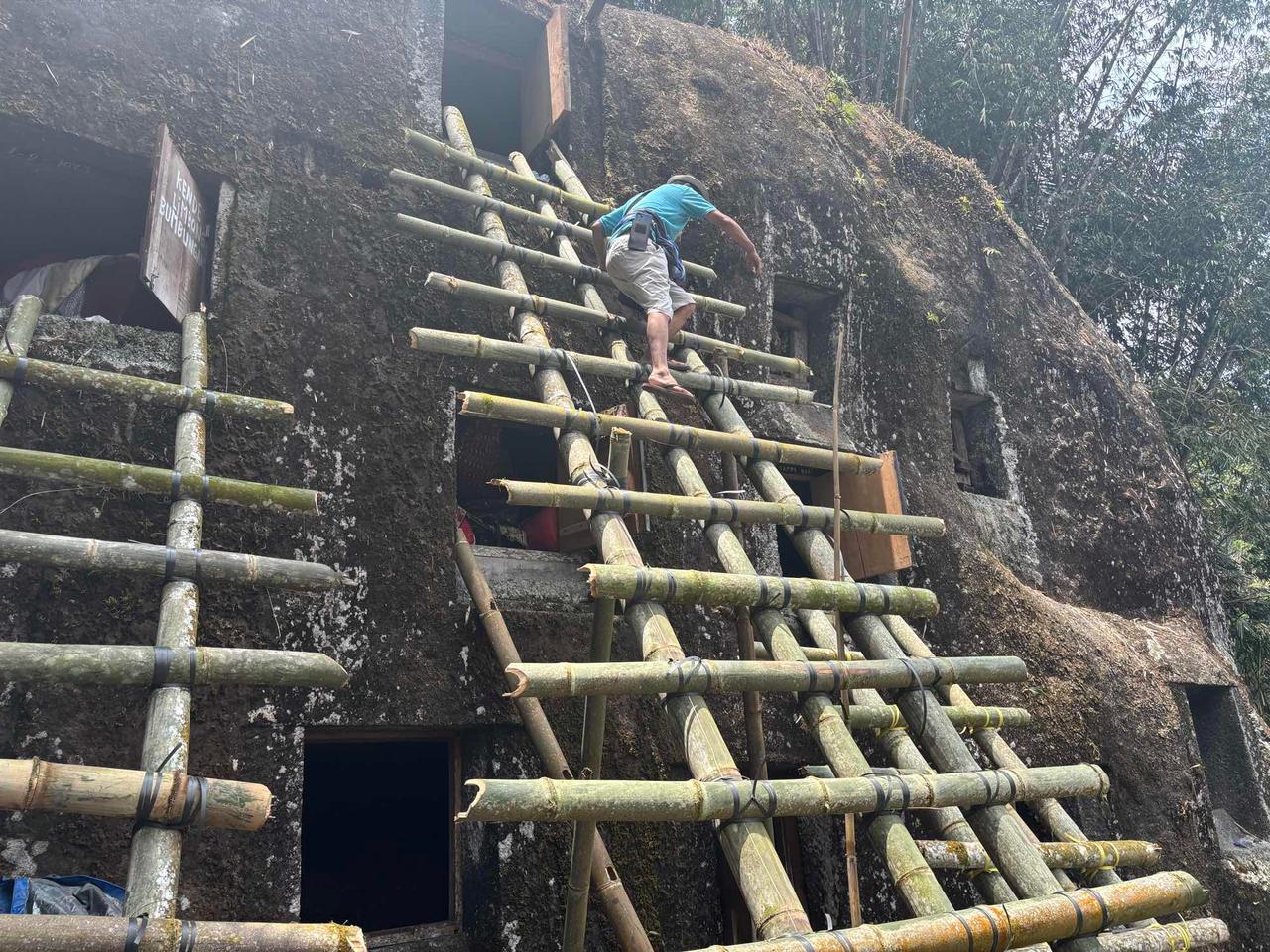
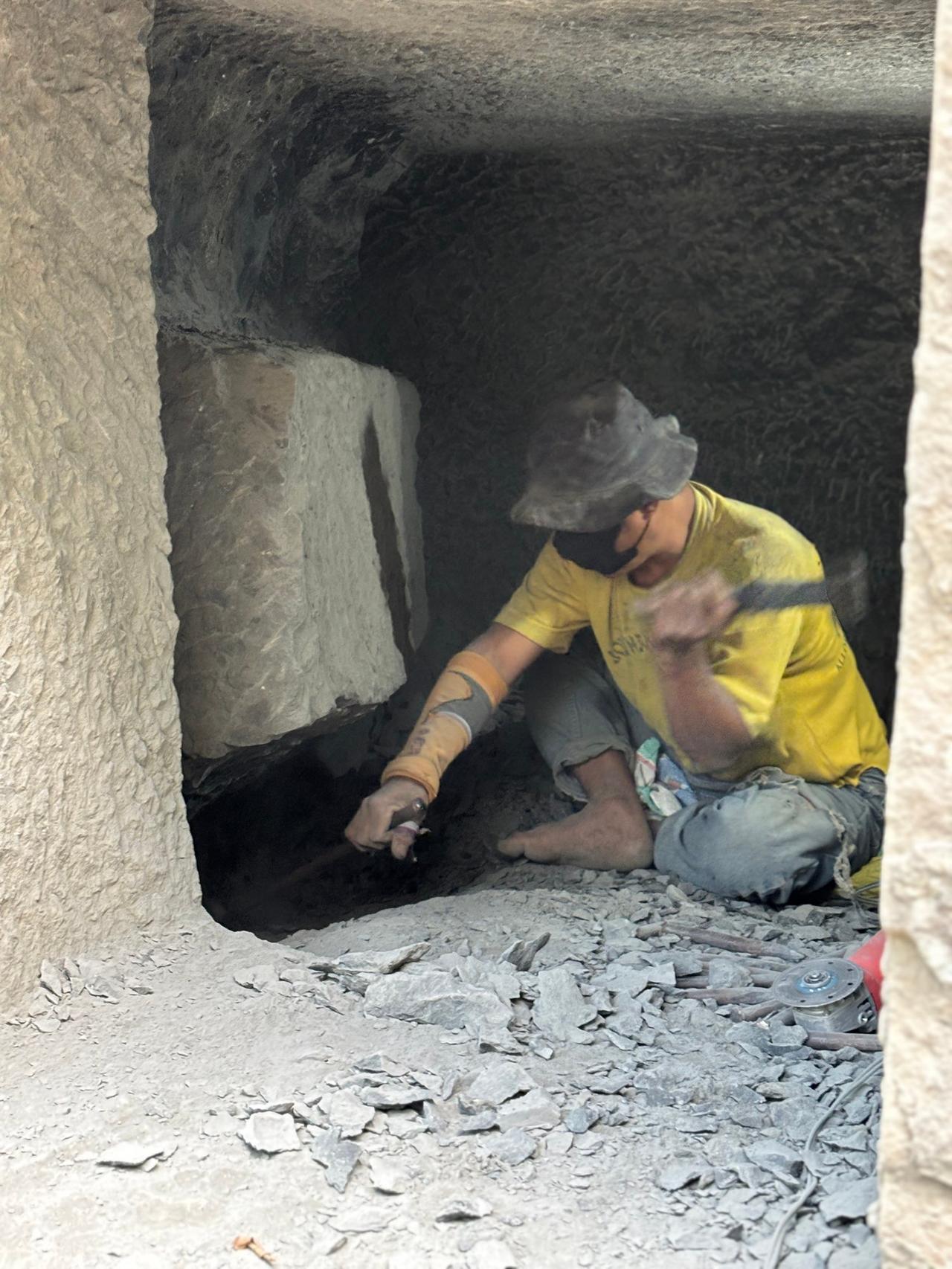
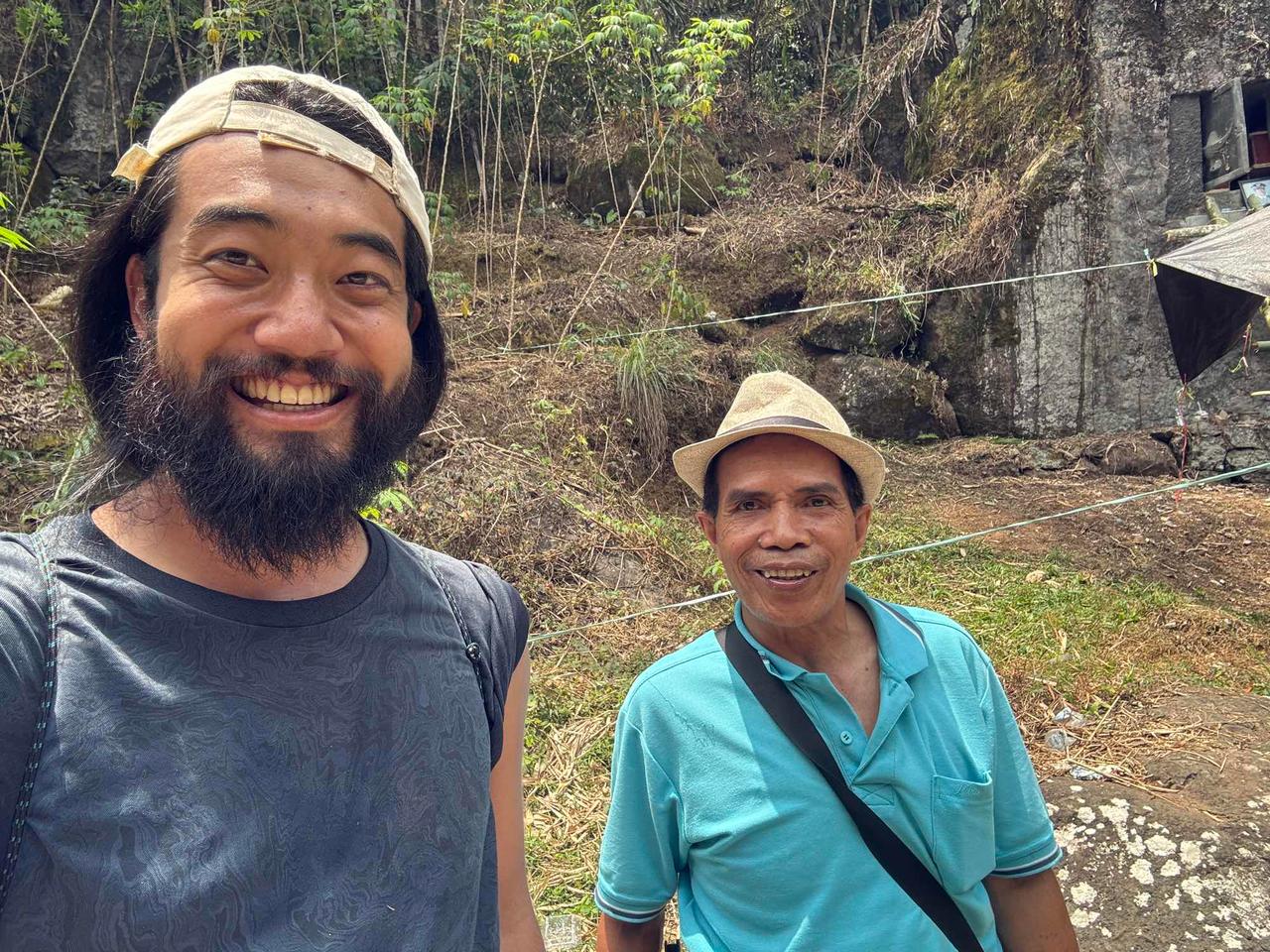
What struck me most was the atmosphere—there was no lingering sense of morbid dread or heavy sorrow. Instead, it was an incredibly open, warm, and celebratory occasion. Even as an outsider, I was welcomed with genuine smiles and gratitude. For the Torajan people, reconnecting with the deceased is not a taboo, but a profound expression of enduring love and respect.
The Forger of Sacred Blades
My next destination was a traditional blacksmith's workshop, dedicated to forging the specialized knives used for sacrificing buffalo during the Rambu Solo ceremonies.
Inside the dimly lit forge, a solitary artisan was meticulously working the steel. Every step of the process was executed by hand with astonishing precision.
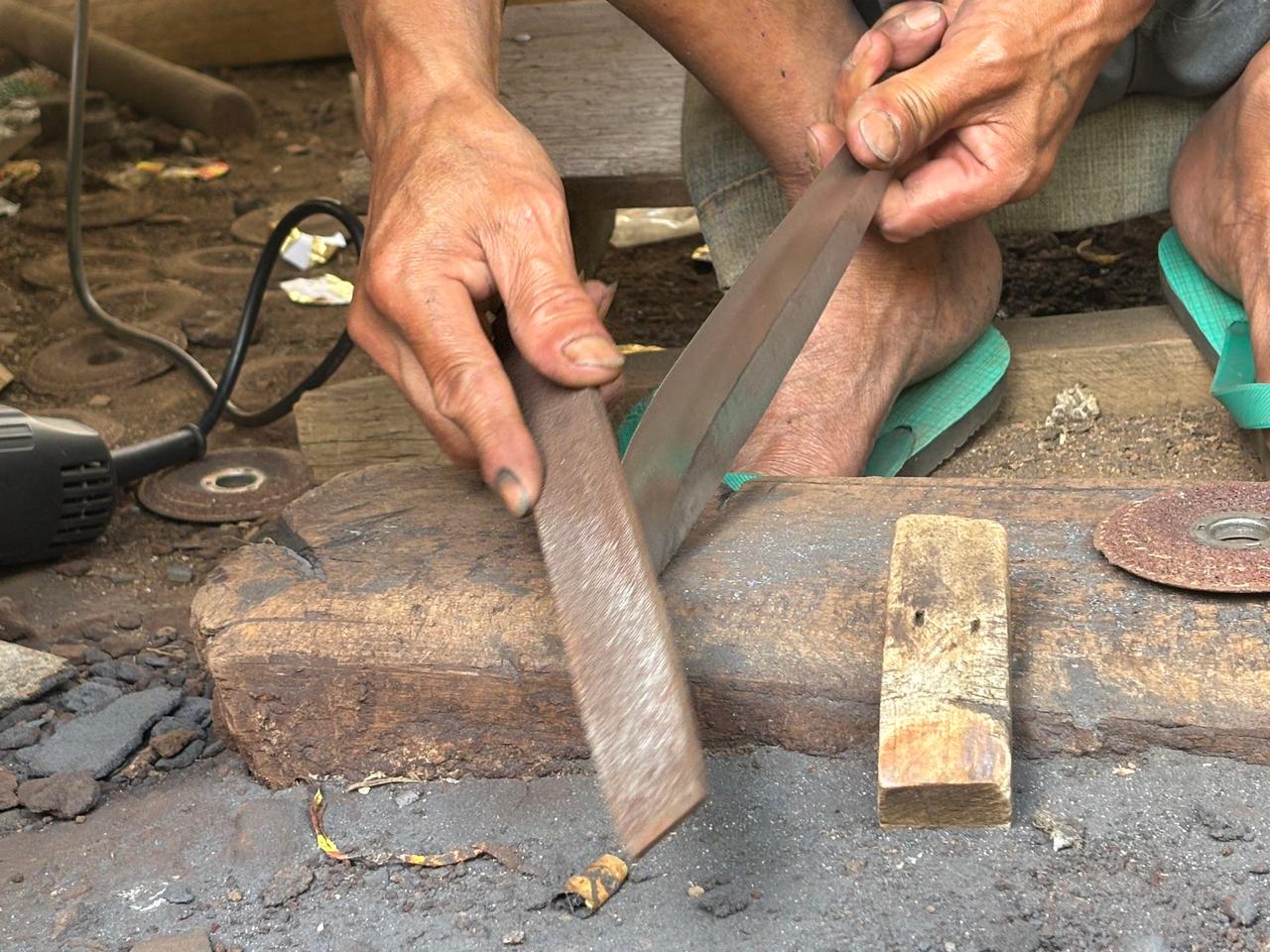
The curve of the blade and the delicate details etched into the metal possessed a haunting beauty. This bespoke ceremonial blade, representing countless hours of masterful labor, was priced at around 1.2 million IDR (about $78 USD). It was a tangible testament to the reverence and immense cultural weight placed upon the funeral rites.
Echoes of the Past in the Cliffs of Tonga Riu
In the afternoon, my guide, Hendrik, led me to Tonga Riu, an ancient cliffside burial site.
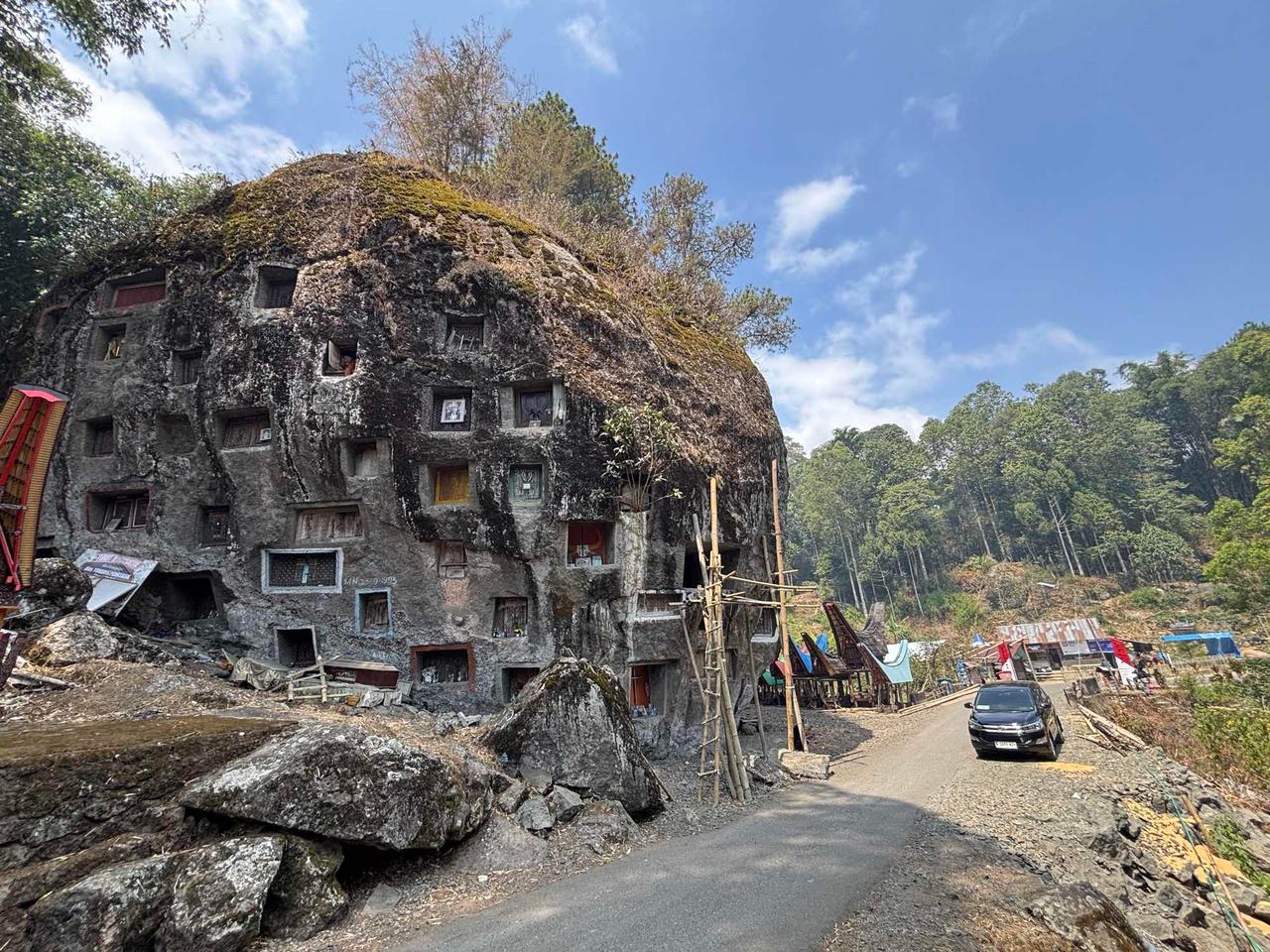
The sight was breathtaking. High on the sheer rock face, countless cavities had been carved out, with human skulls resting quietly in the open air.
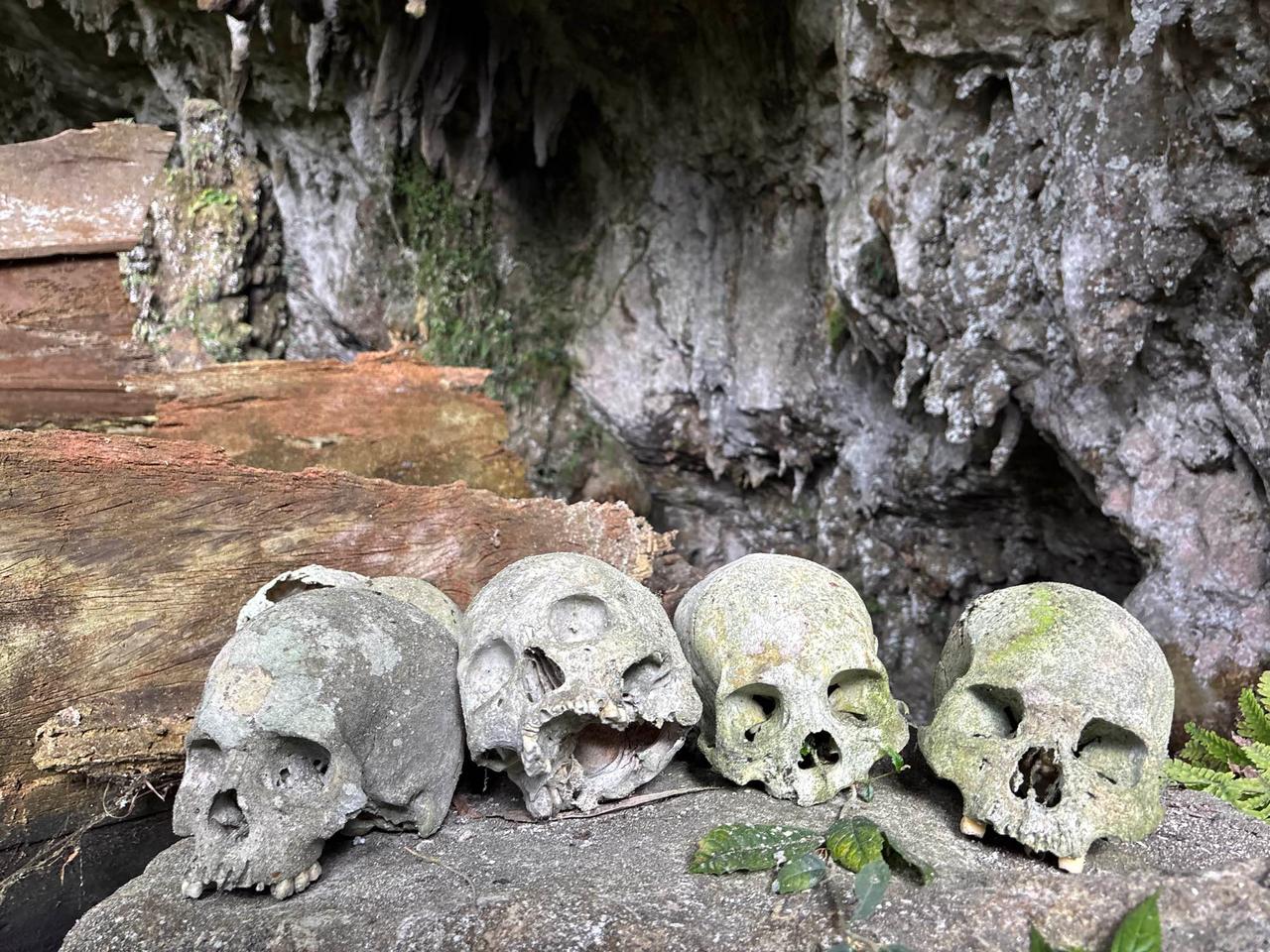
Wooden coffins, suspended from the cliffs, had succumbed to centuries of decay, with some having crashed to the earth below. The guide explained that the male coffins were traditionally carved into the shape of a boat, while the female coffins took the form of a pig. Some of these wooden vessels dated back over 700 years.
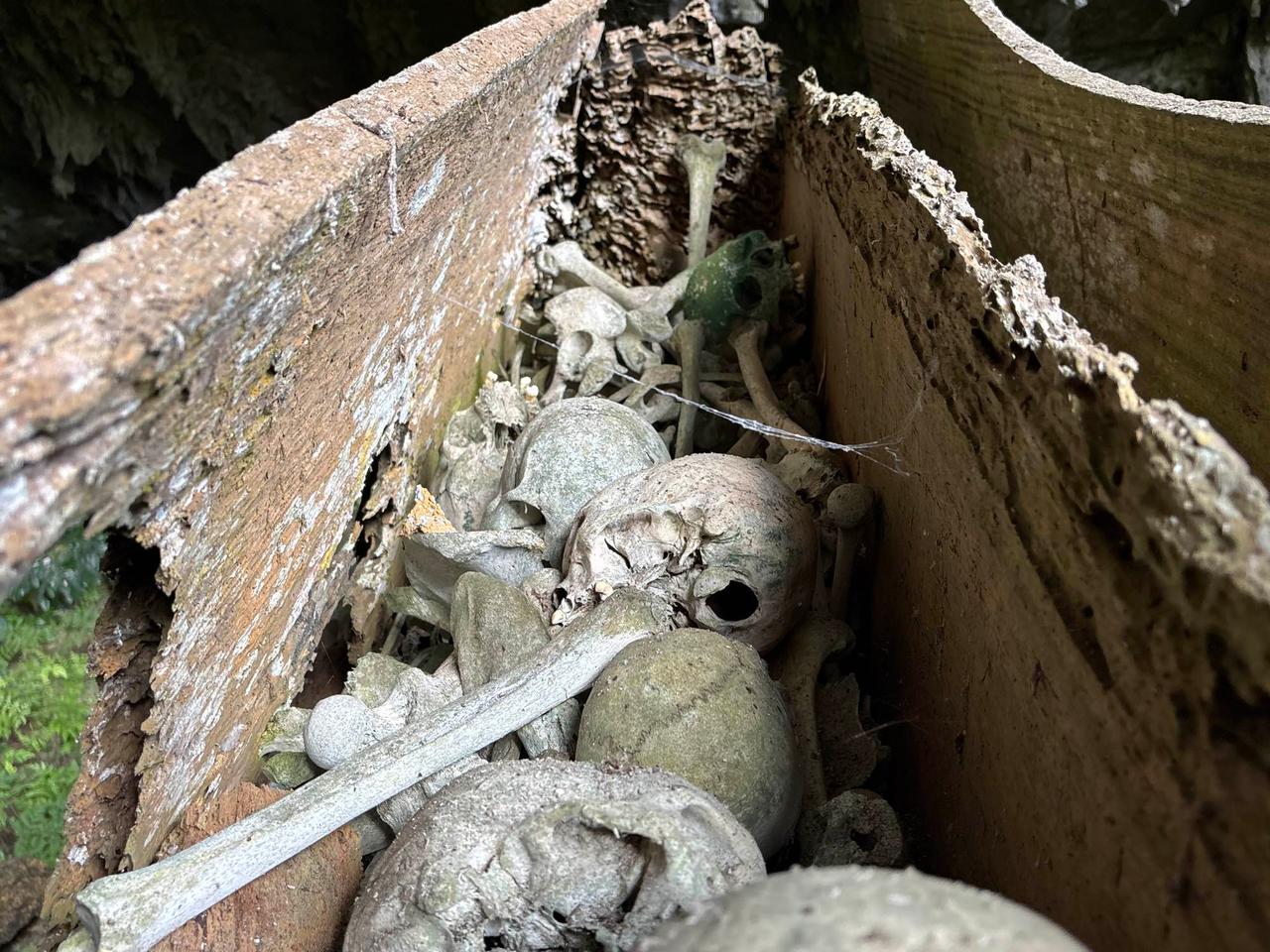
Standing there, I felt as though I had wandered into an ancient, uncharted treasure island—an eerie yet overwhelmingly mystical domain.
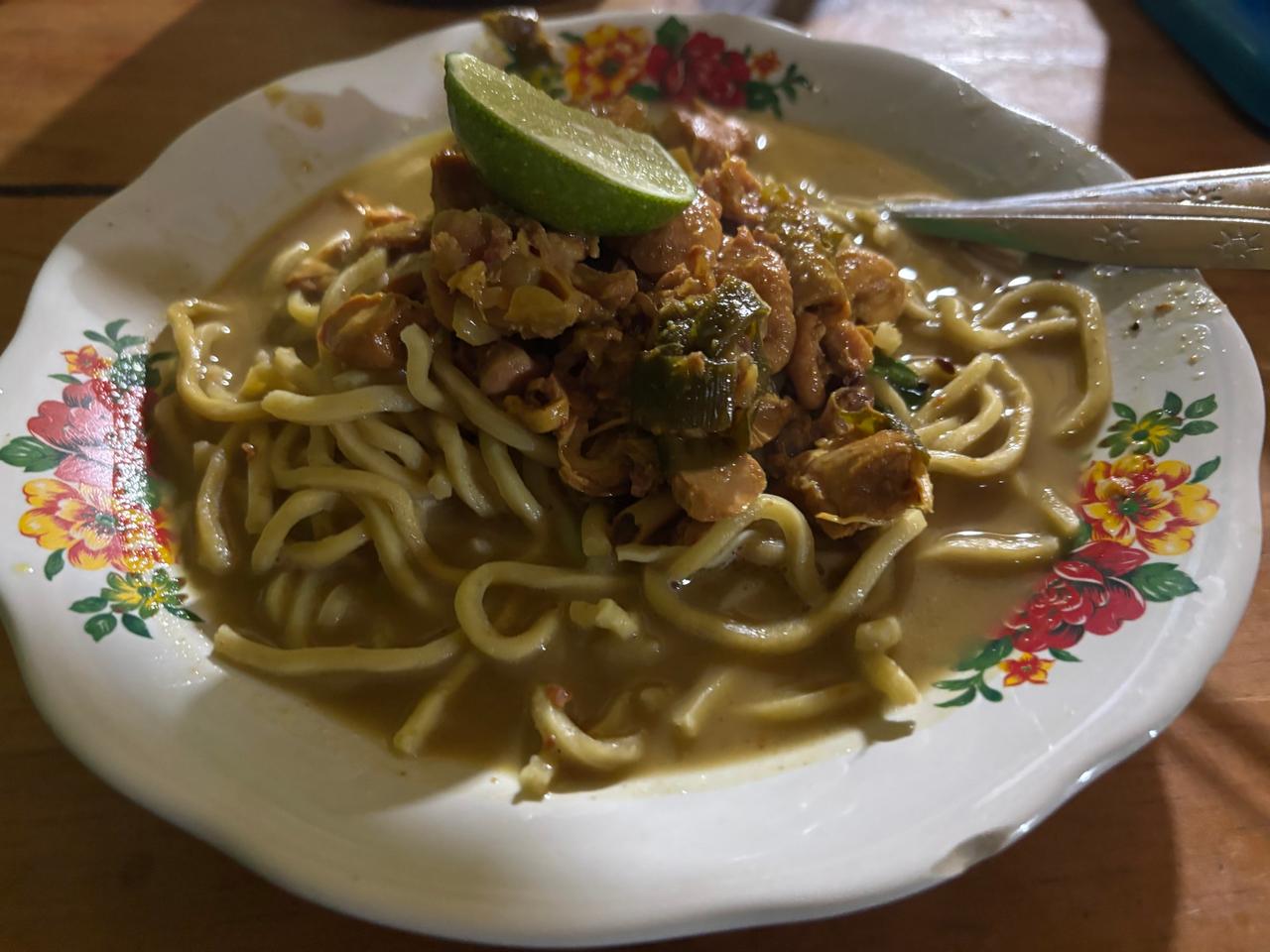
Returning to the guesthouse, I ate dinner while reflecting on a day dense with discovery.
Tomorrow, I will witness the very core of the Ma'nene ritual: the changing of the ancestors' garments. I wait with bated breath to delve even deeper into the profound cycle of life and death that this valley has fiercely preserved.