Crossing the Pass to the Coastal City of Palopo
September 24th marked my penultimate day in the Tana Toraja region. My morning began with a necessary detour to Palopo, a coastal city equipped with an immigration office, as visa extensions could not be processed within the immediate Toraja vicinity.
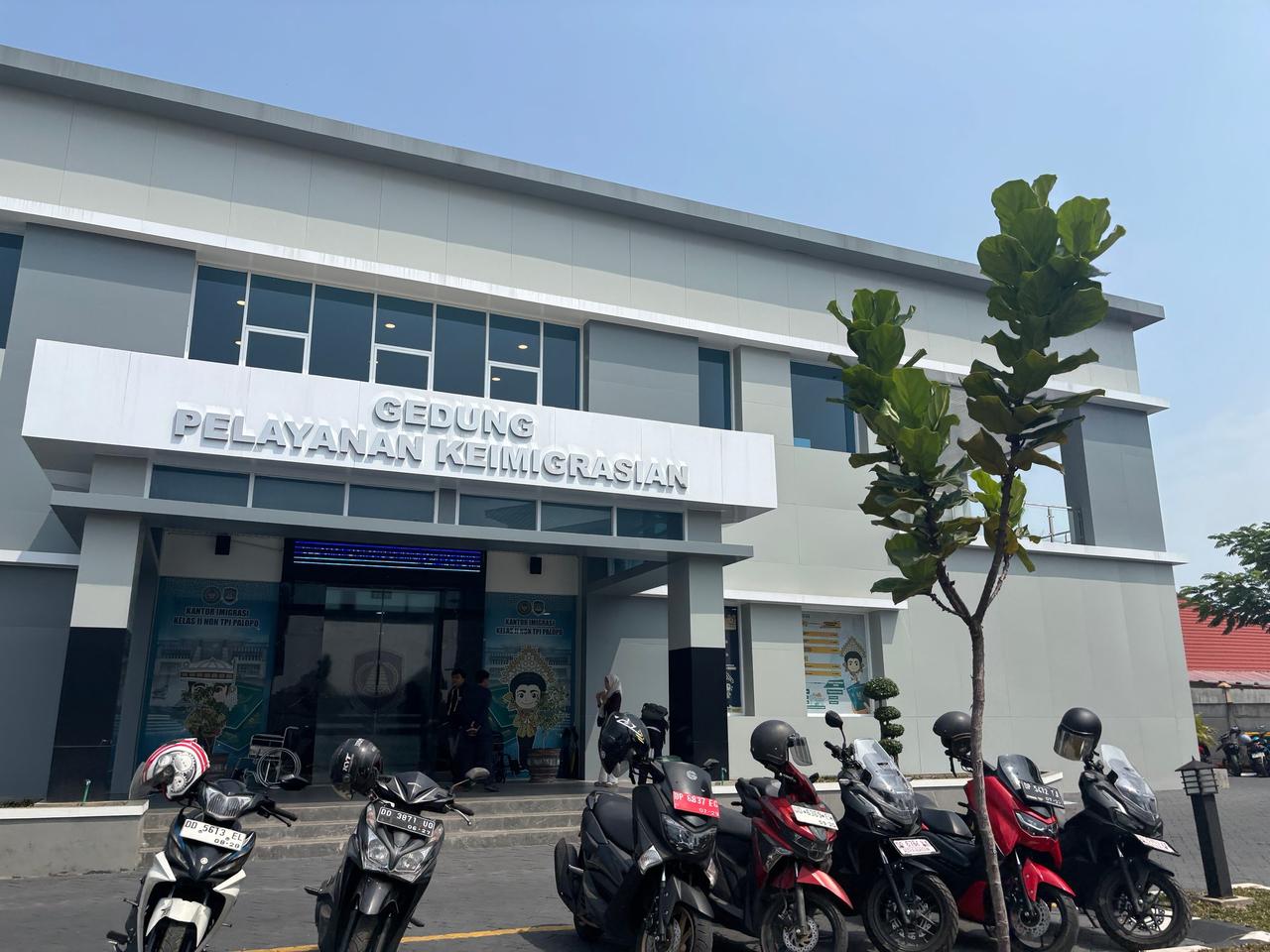
Because I wished to extend my journey in Indonesia, completing this administrative task was absolutely vital. Anticipating a lengthy ordeal that would consume my day until 3:00 PM, I was pleasantly surprised when the bureaucratic procedures concluded swiftly, allowing me to return to my base in Rantepao just after 11:00 AM.
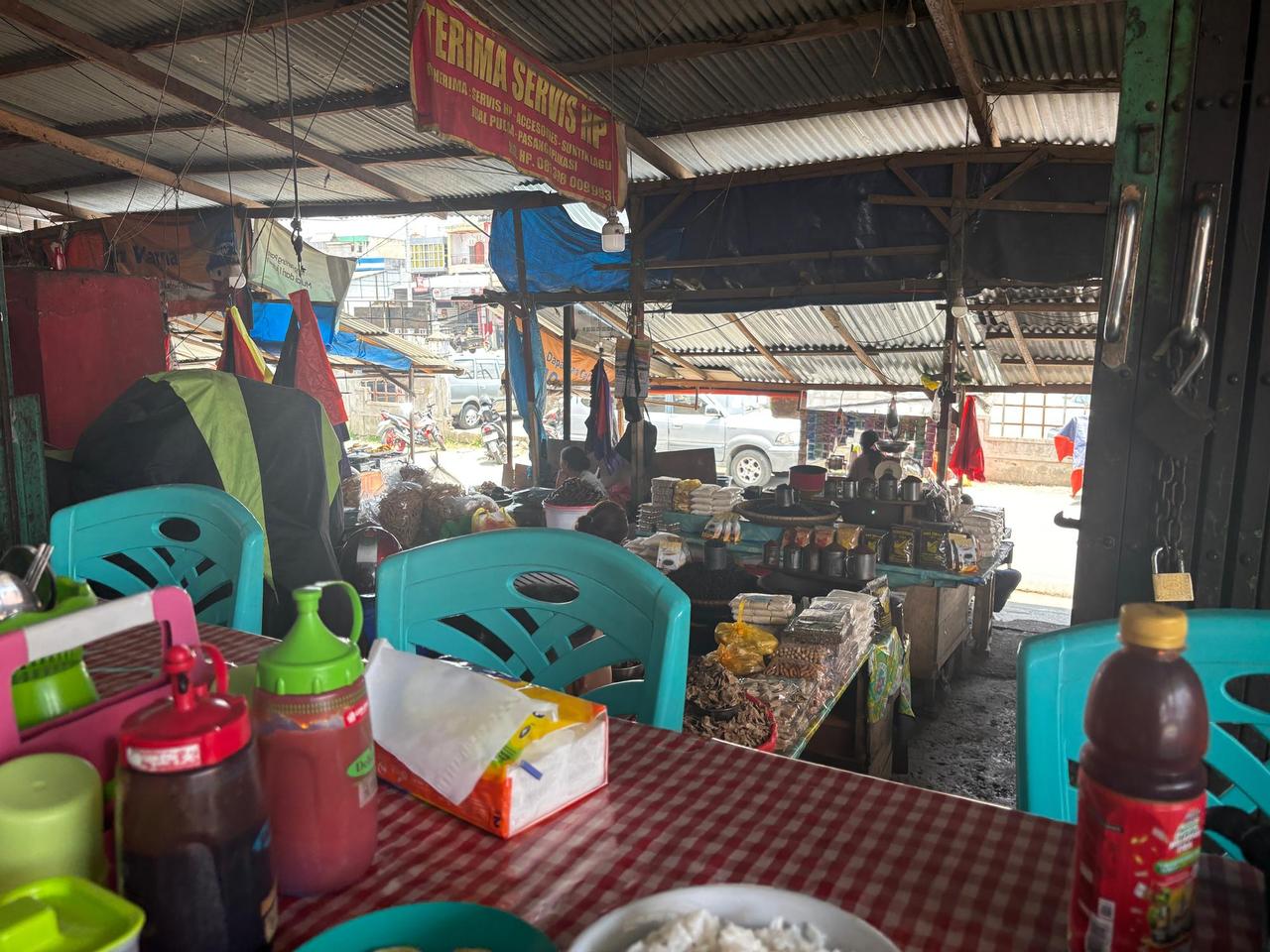
This unexpected gift of time presented a perfect opportunity to delve deeper into the region's complex cultural tapestry.
The Price of Life and the Breeder's Gaze
Driven by a desire to understand the underlying mechanics of grand rituals like Rambu Solo and Ma'nene, I ventured into the local buffalo farms.
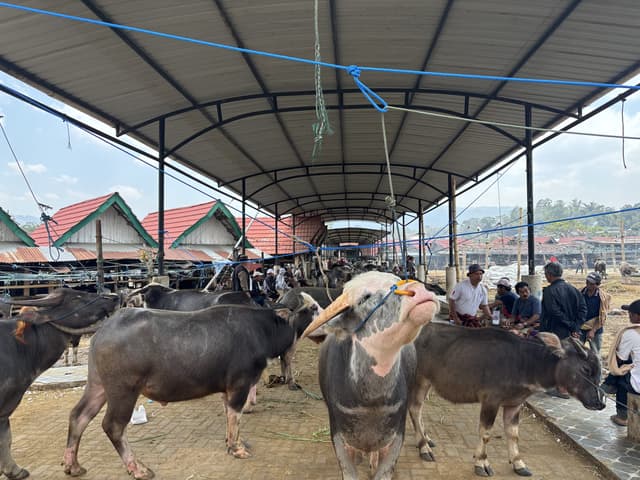
Observing the magnificent creatures grazing by the roadside, I engaged in a profound conversation with a local breeder. He explained that Torajan buffaloes generally fall into four distinct categories based on their patterns and physical traits. The most prized is the Tedong Bonga, characterized by its striking black-and-white mottled pattern, which can command an astonishing price of 1 billion rupiah (approximately $65,000 USD) per head.
Traditional Heritage
Pasar Bolu: The Rantepao Market Where Toraja Buys and Sells the Buffalo It Sacrifices
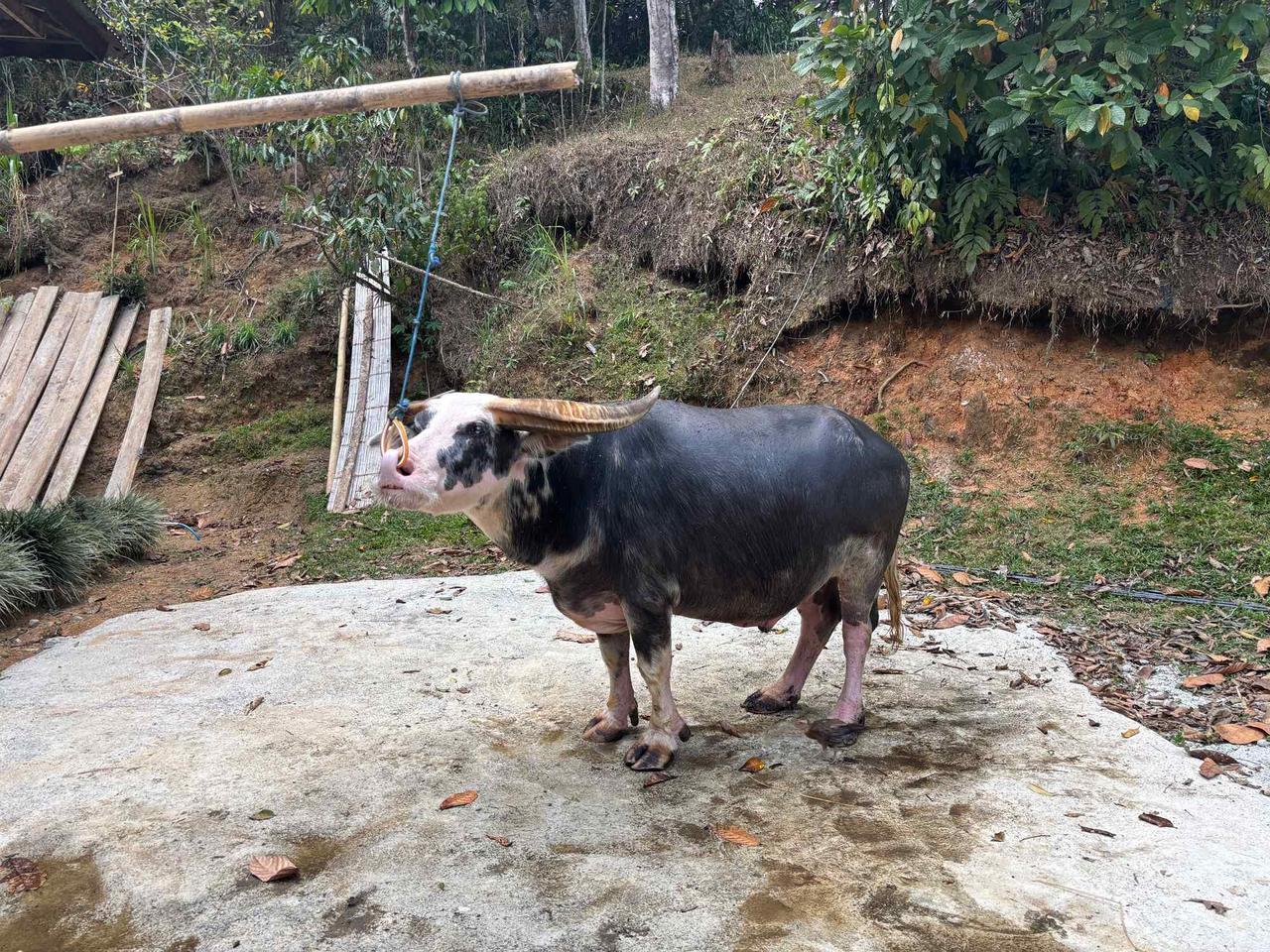
Other variations include the Tedong Lotong Boko, featuring a black body with a white pattern exclusively on its back; the Tedong Sampao, an albino-like creature with pale pink and grayish-white hues; and the Tedong Pudu, the most common, all-black buffalo traded for tens of millions of rupiah (roughly $2,000 to $5,000 USD).
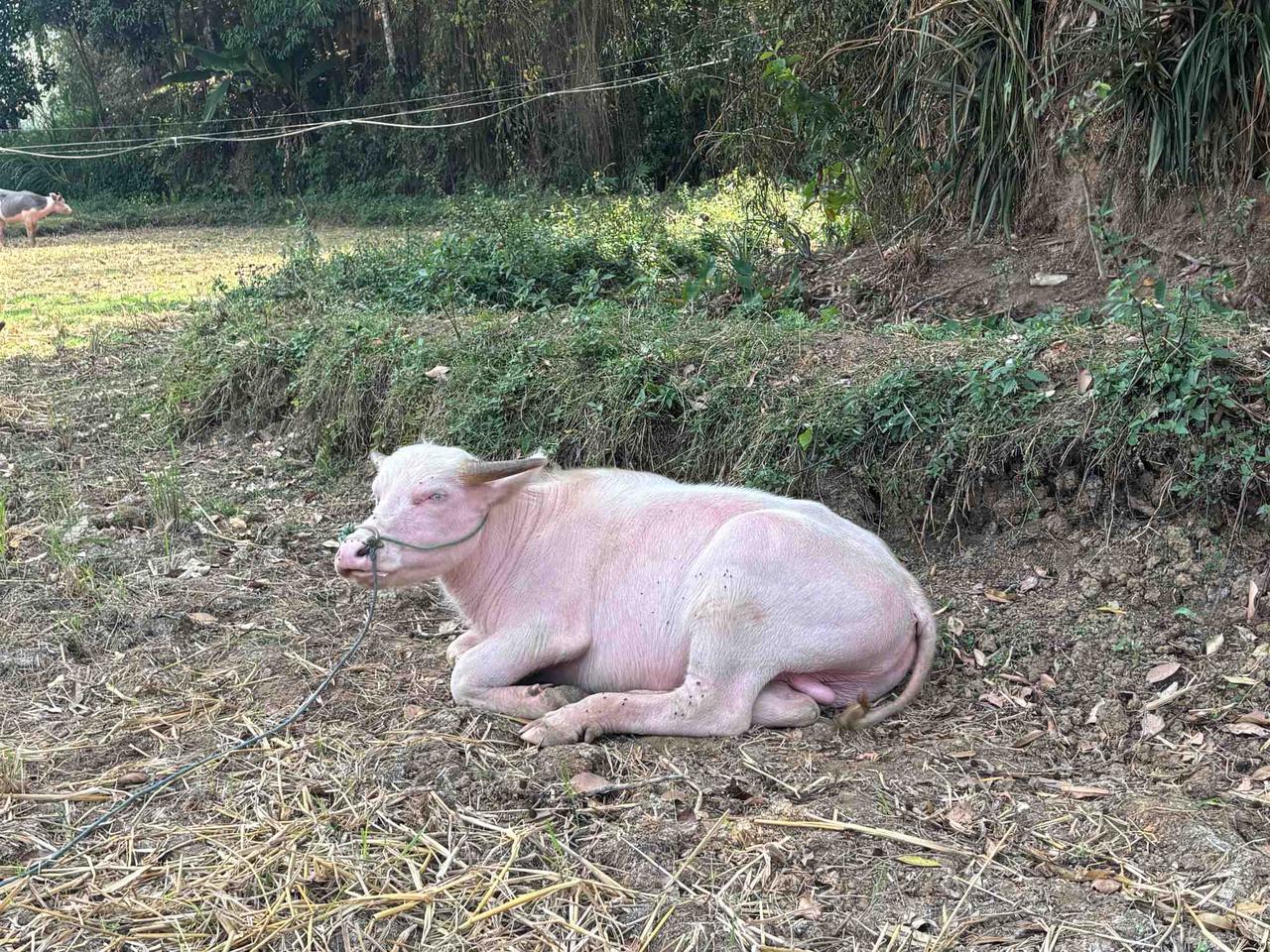
When asked if he felt sorrow when sending his animals to become sacrificial offerings, the breeder's expression softened into a quiet melancholy. He names them and raises them with immense affection, yet he must ultimately surrender them to sustain his livelihood.
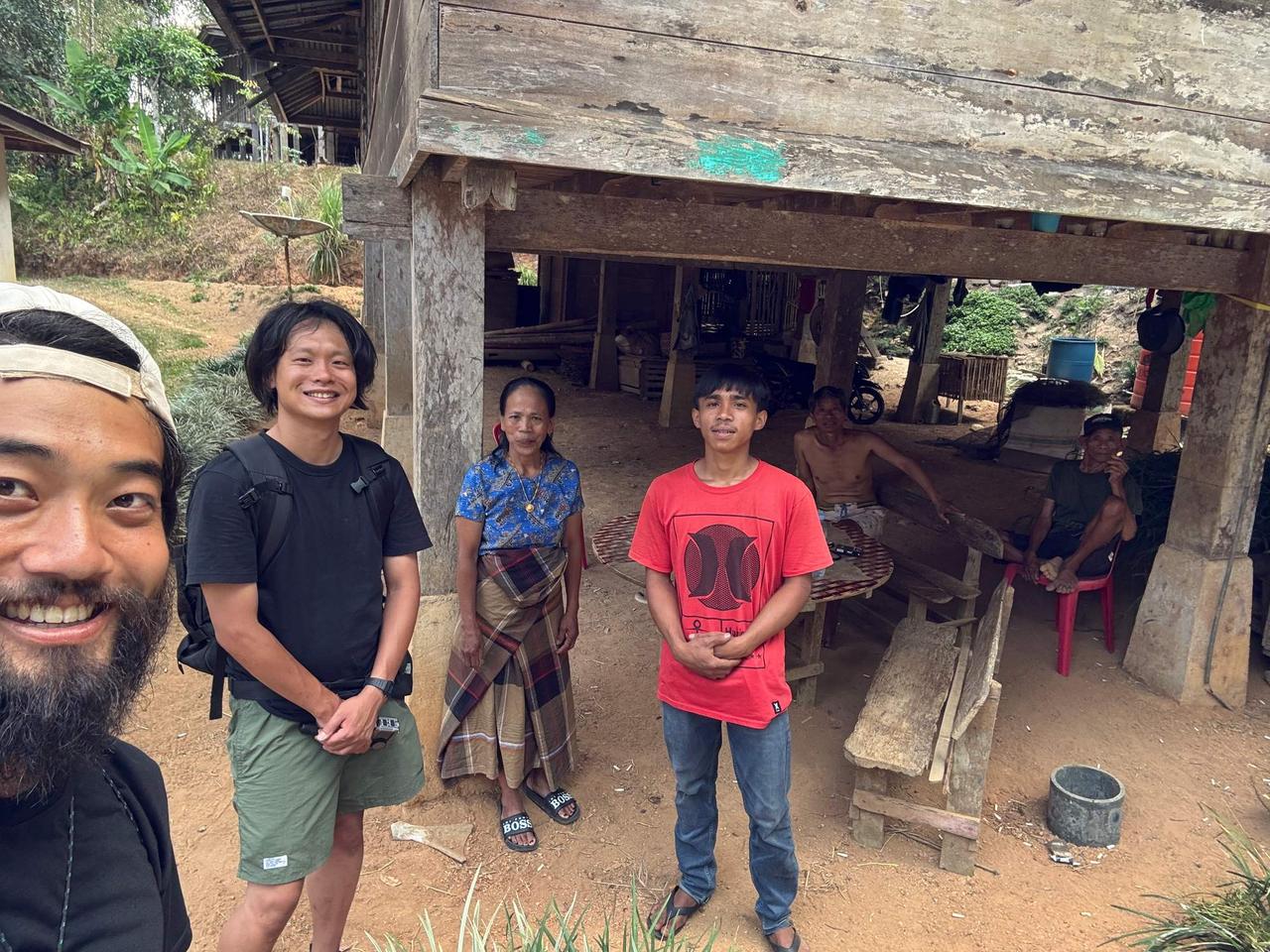
This inner conflict—nurturing a life with love only to give it up for survival—is a universal paradox shared by producers across the globe. Before long, our somber conversation shifted to lighthearted talk about romance, bridging our cultural divide with shared human laughter.
Motifs Connecting the Past and Melodies of the Present
Later, while resting at a local cafe, my eyes were drawn to an intricate wall motif resembling somewhat alien figures.
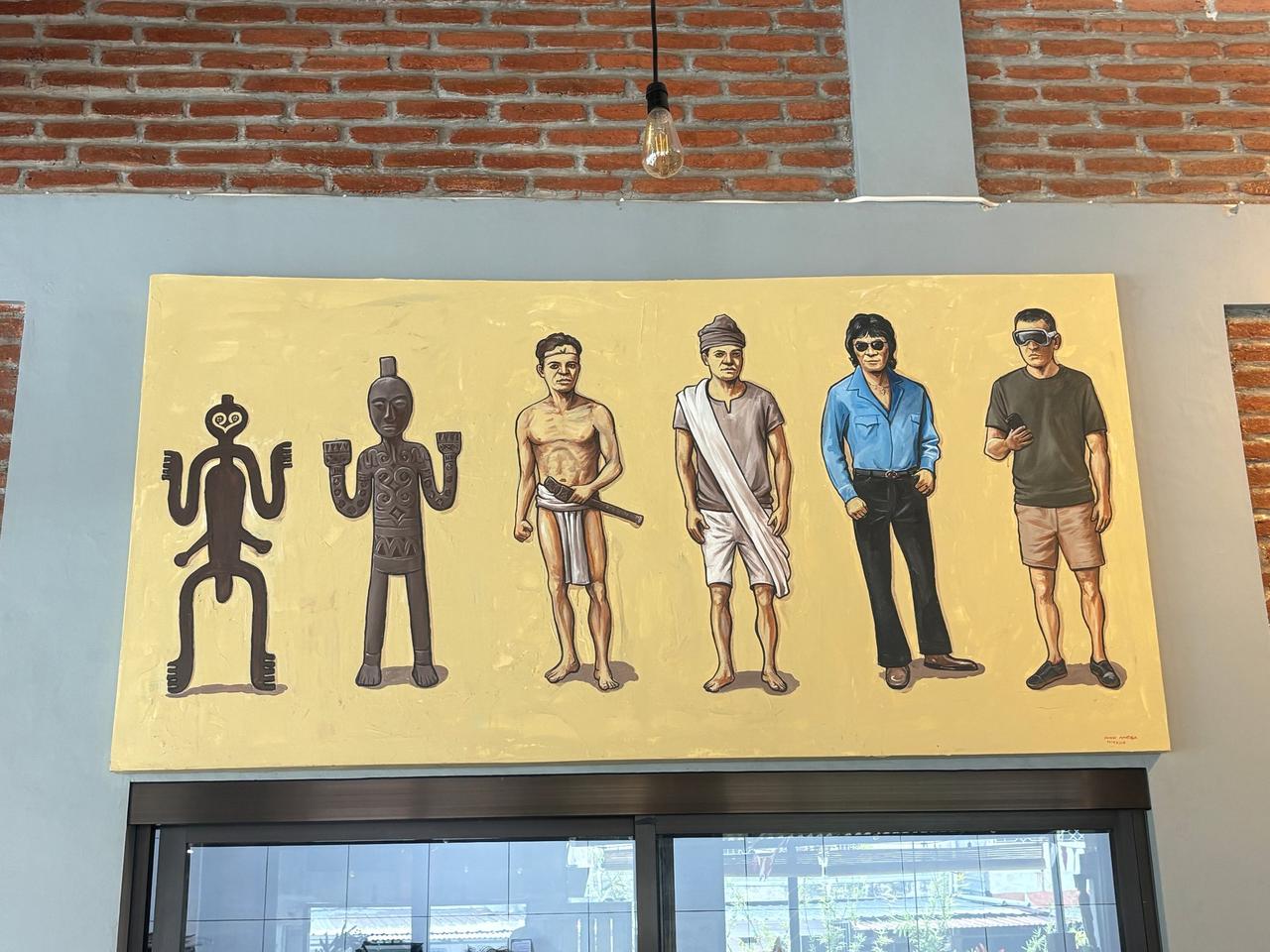
I learned this was a traditional Torajan representation of the human form. Much like the Ma'nene ritual that reunites the living with their ancestors, this artwork symbolized the seamless connection between the past and present that is embedded deeply in the local psyche.
As dusk approached, I wandered to a nearby square where enthusiastic children were practicing music for an upcoming church parade.
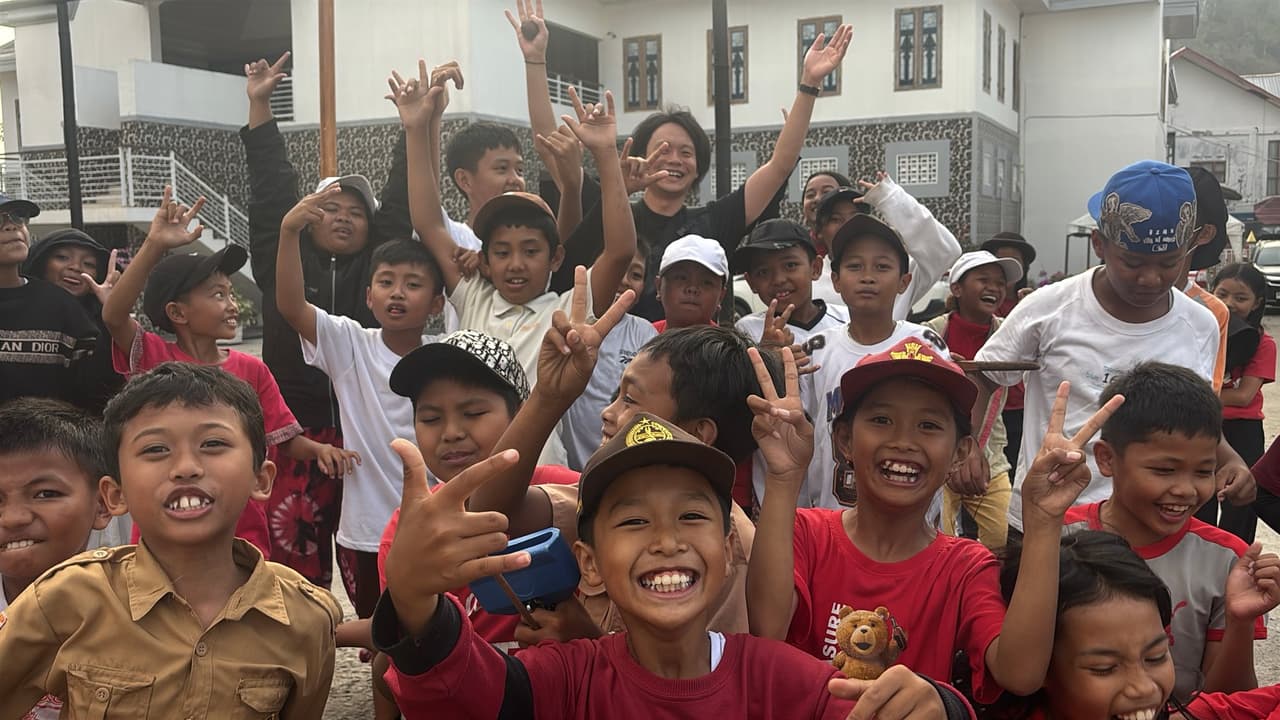
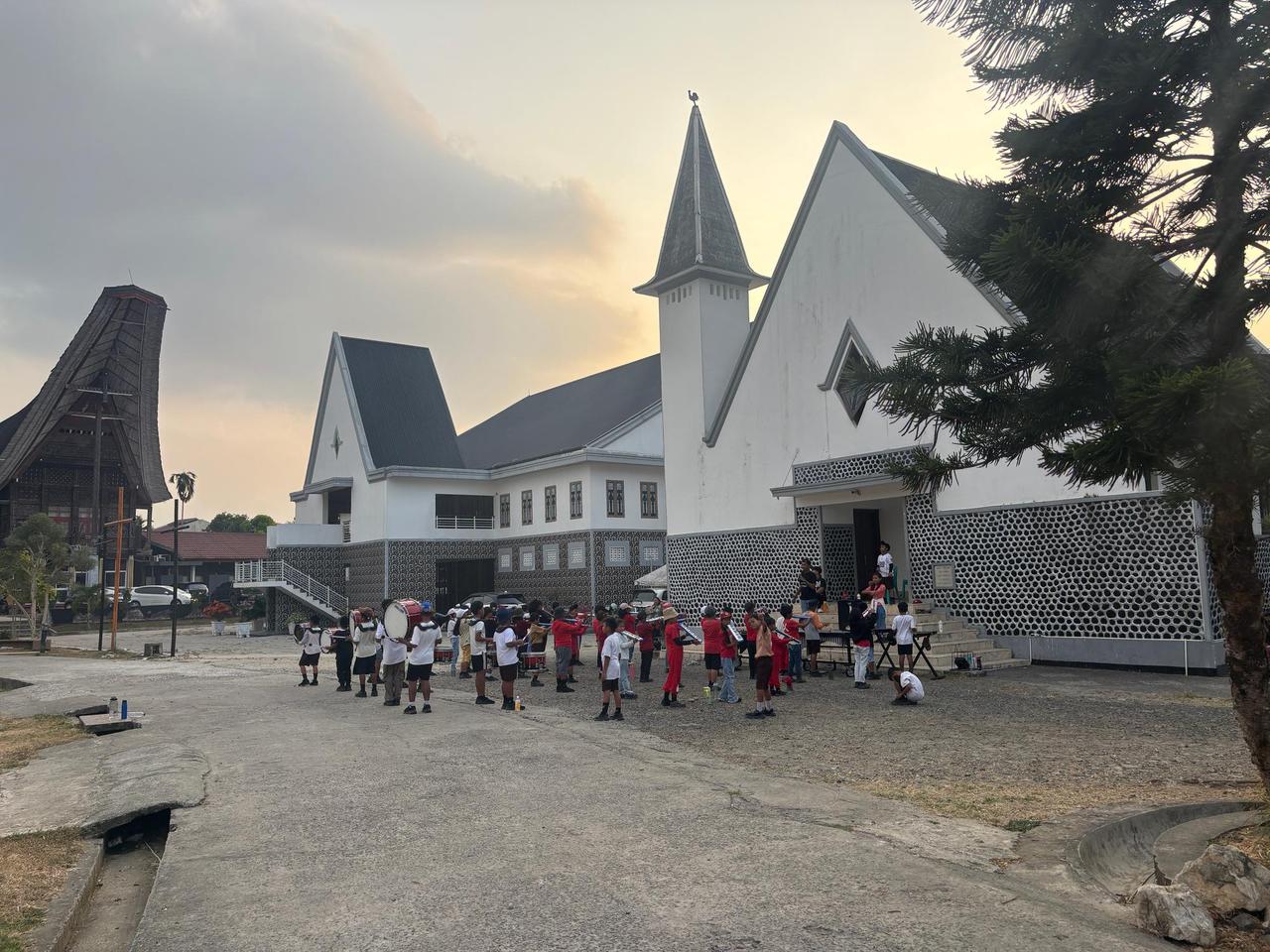
The scene instantly transported me back to my time in Ambon, reminding me of how deeply music is woven into the everyday fabric of Indonesian society. Across this vast nation, music perpetually walks hand-in-hand with daily life and faith.
Lingering Sentiments and the Final Day
Tomorrow, September 25th, will be my final day in Rantepao. While I feel a profound sense of accomplishment having achieved almost everything I set out to do, a heavy wave of reluctance washes over me at the thought of leaving this remarkable land. To find a place that captures the soul so completely is a rare and profound privilege for any traveler. How will I spend my remaining hours here? As the mountain night quietly descended, I began to envision the final chapter of my Torajan exploration.