The Chill of Dawn and the Hearth of the Tongkonan
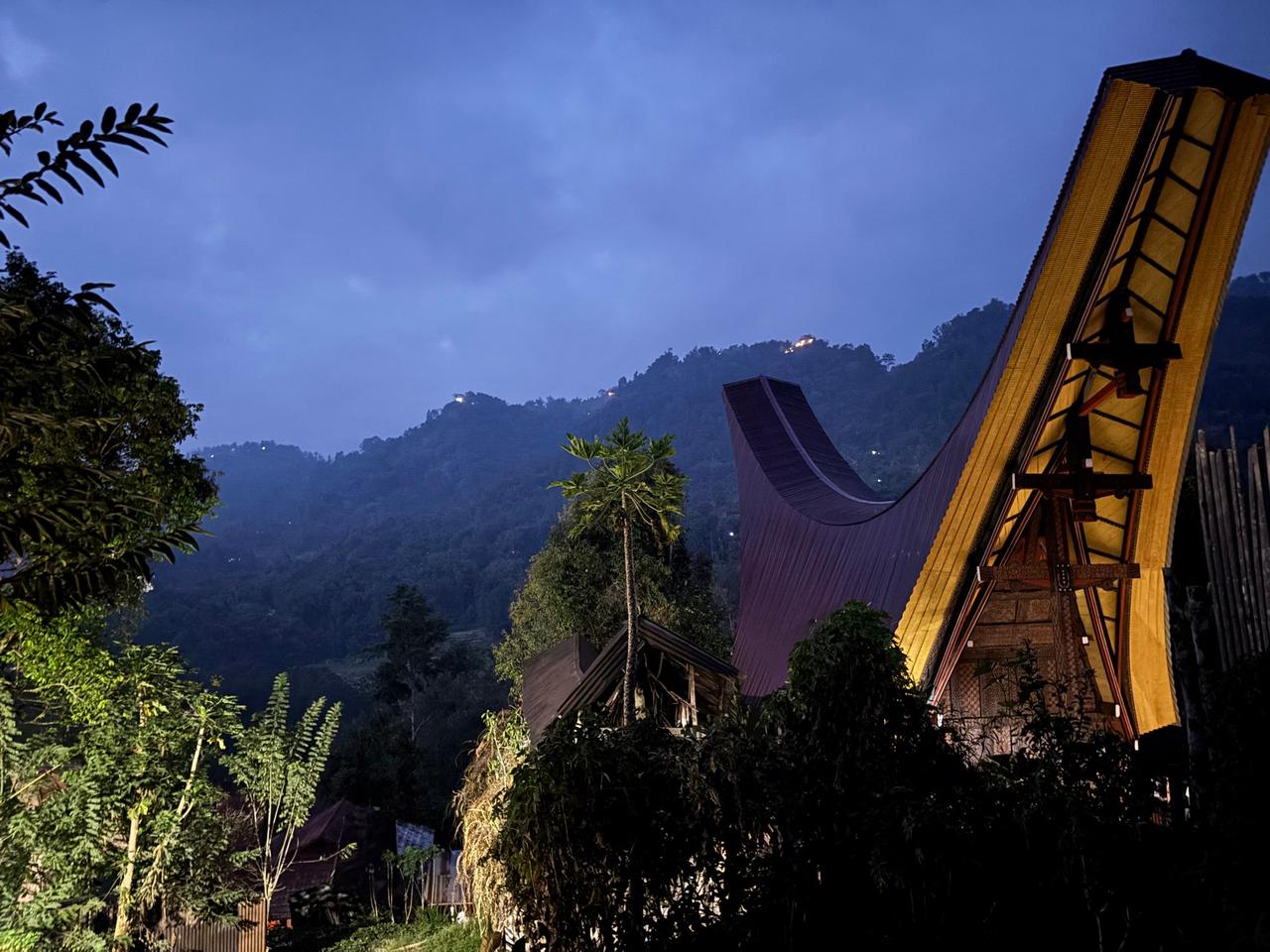
At 4:30 AM on September 19, I awoke to the biting chill enveloping the traditional Torajan house, the Tongkonan. Though the cold pierced the skin, it remained a bearable discomfort.
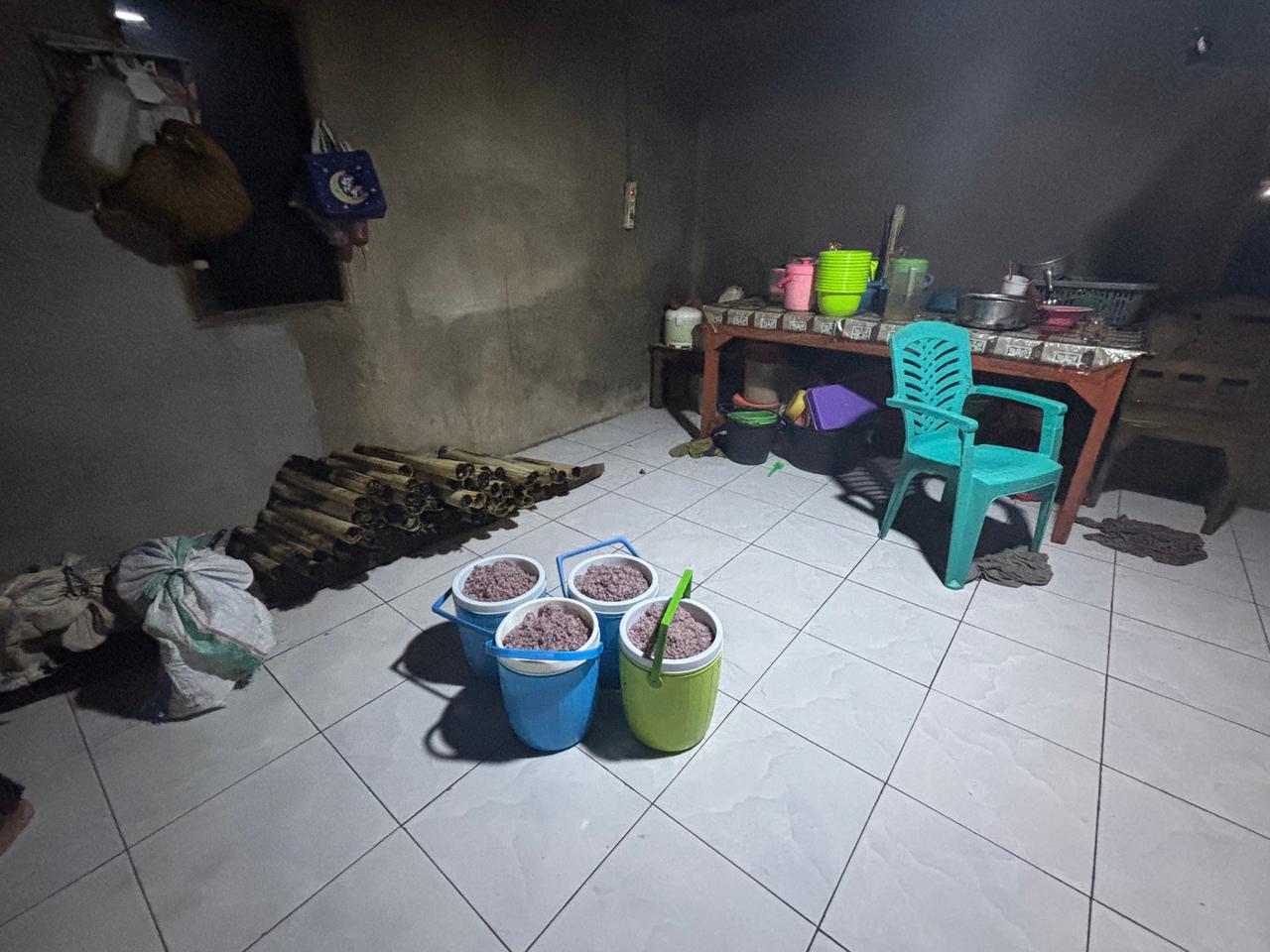
In the dim light before dawn, I joined the villagers for breakfast. What immediately commanded my attention were the impossibly massive pots used for cooking. They had already prepared four large buckets of rice, yet I was told this was only half the required amount. Such monumental preparation was necessary to feed the sheer volume of attendees gathering for the day's events.
The Weight of Life: Five Buffaloes Offered to the Ancestors
Once breakfast concluded, the preparations for the core sacrificial rites commenced.
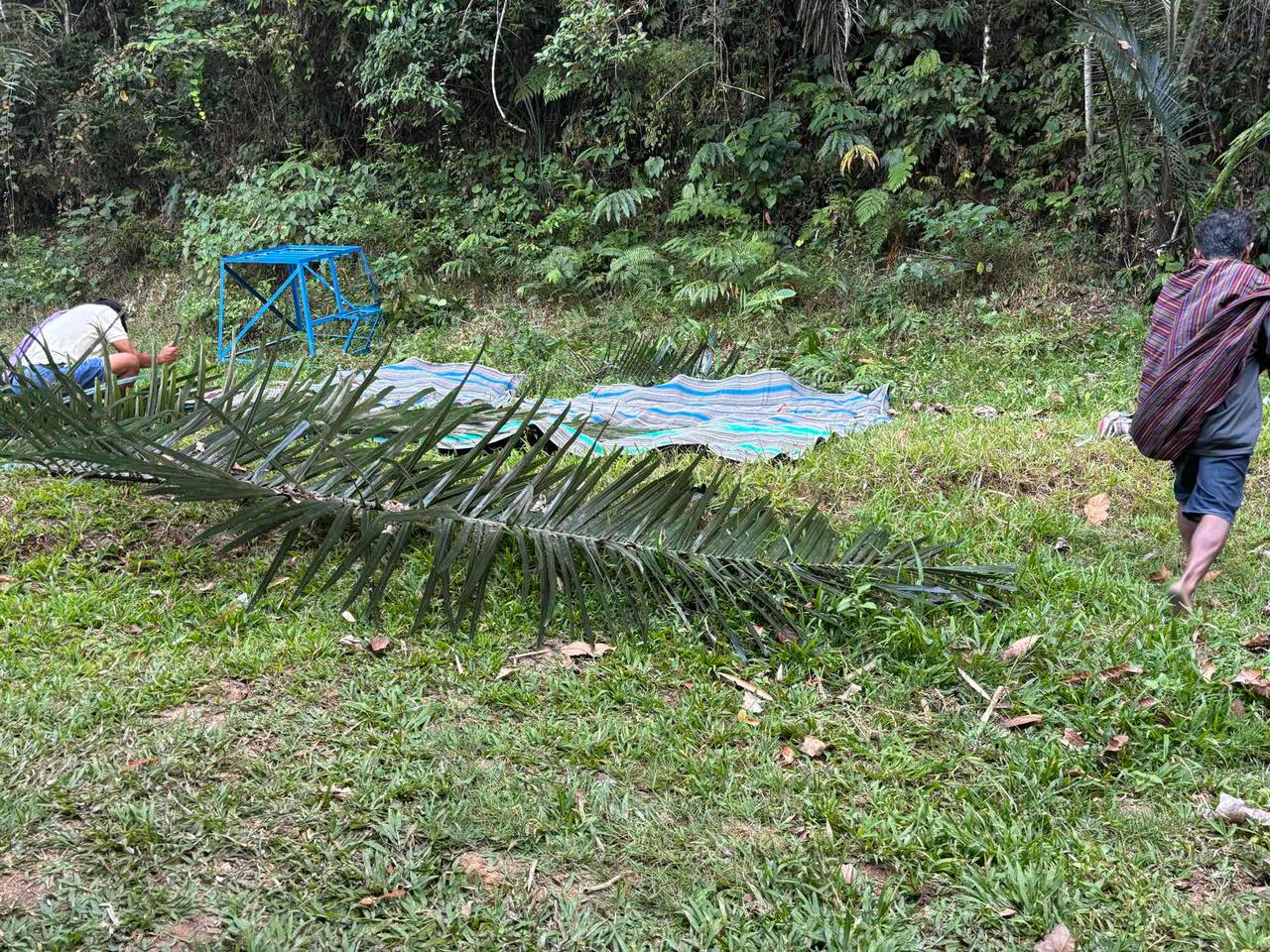
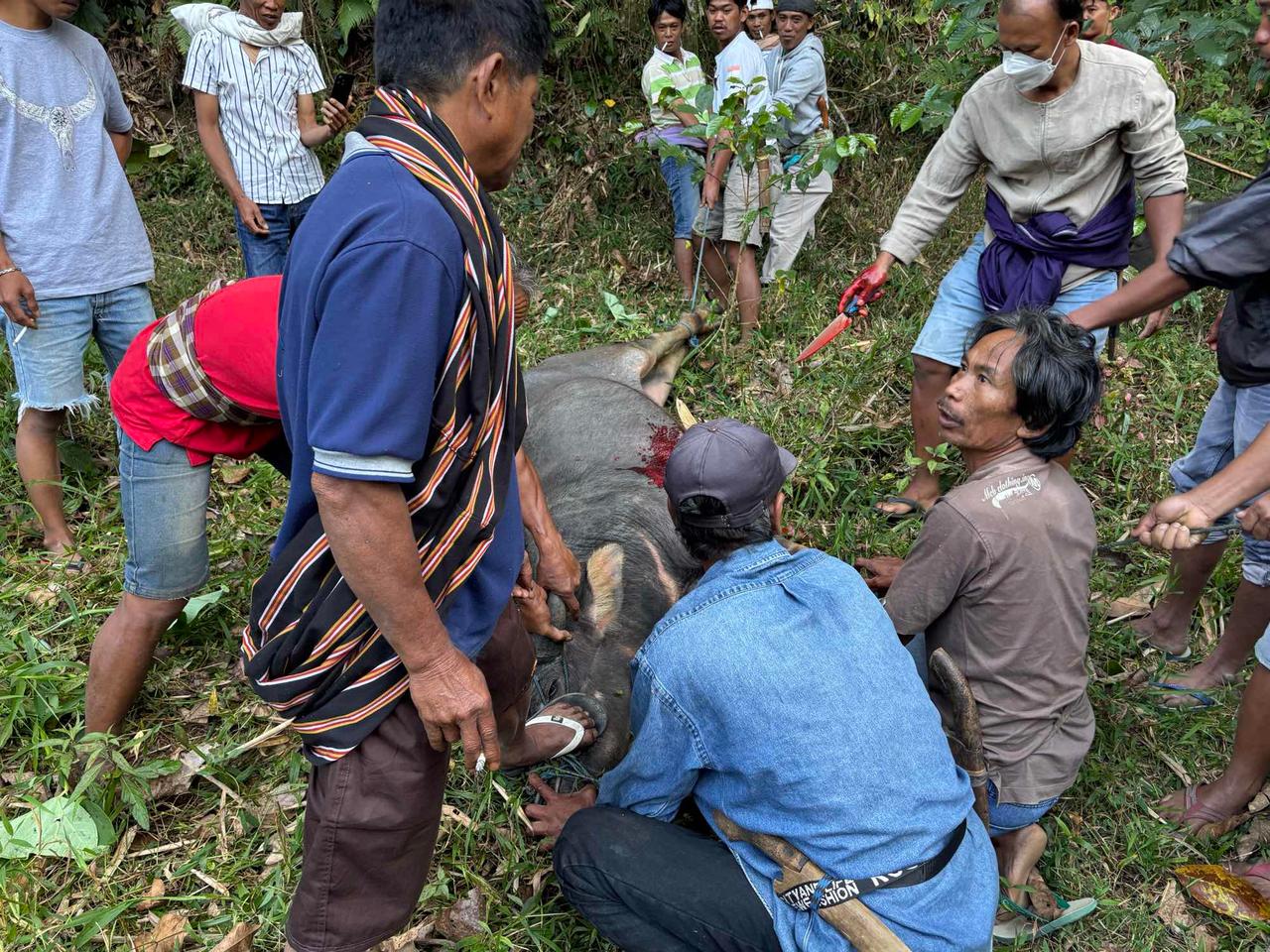
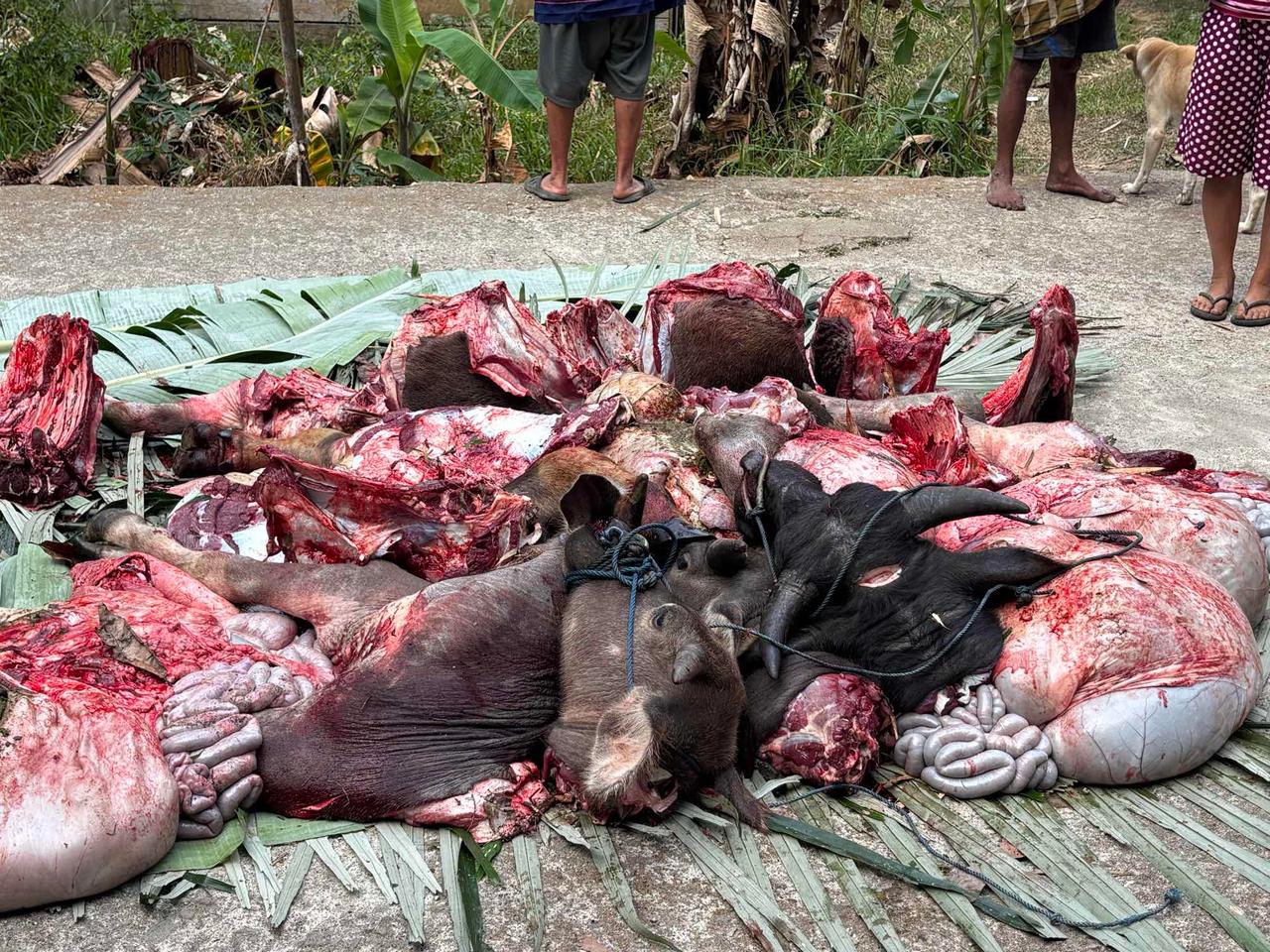
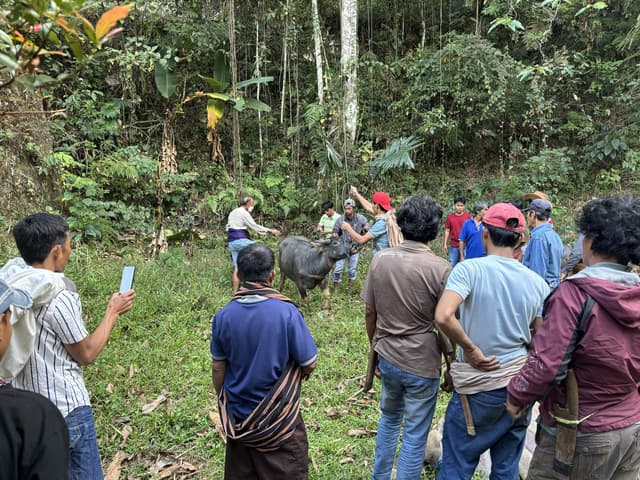
On this final day, five immense water buffaloes were sacrificed as offerings to the ancestral spirits. Witnessing these massive lives being respectfully extinguished and sent into the unseen world was a profound spectacle, carrying a visceral impact that burned itself into my memory.
Following this, we carried the bamboo tubes filled with pork—prepared the previous day—back to the tomb where the Ma'nene was taking place.
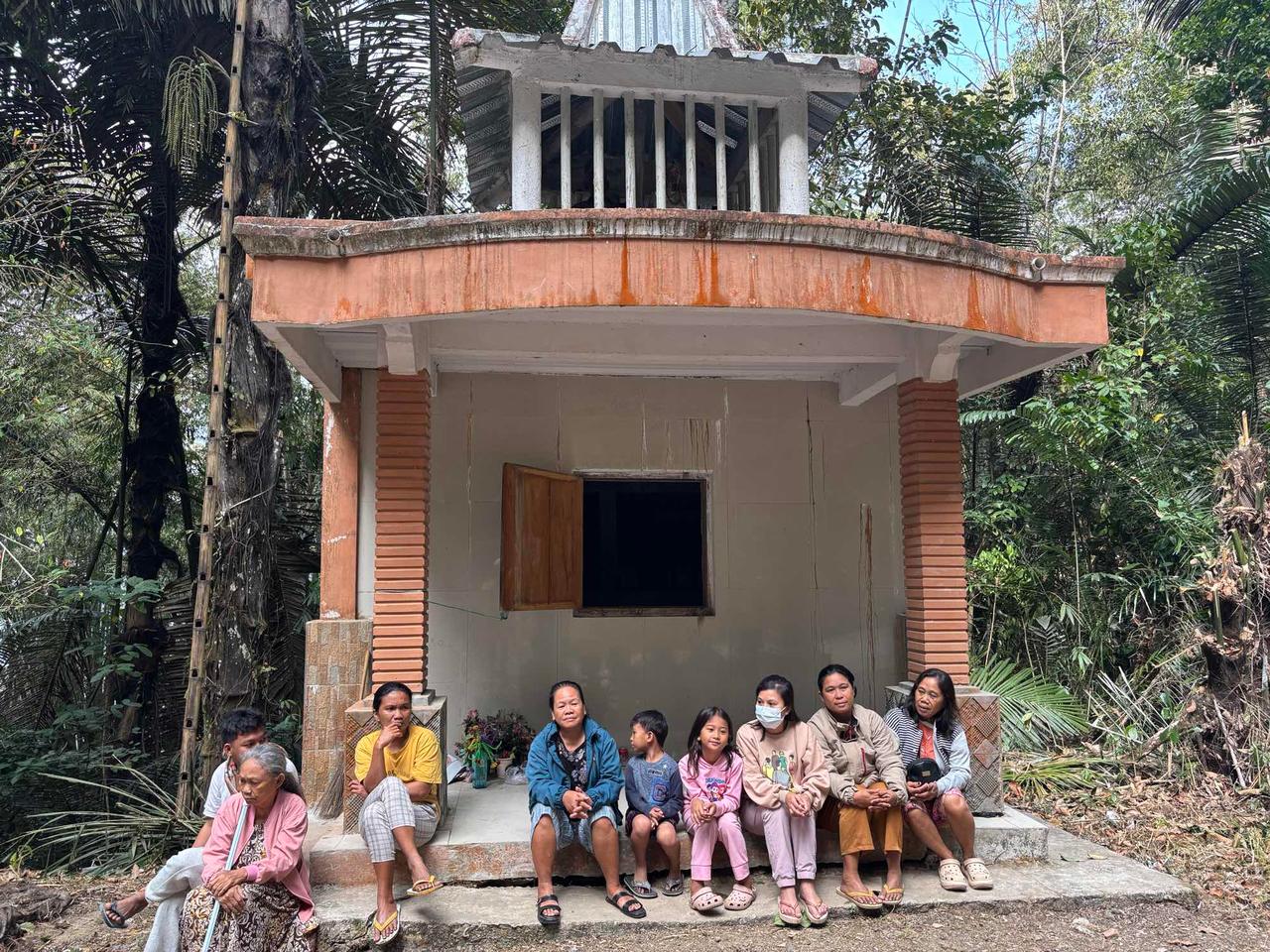
After these final offerings were presented, the doors to the crypt were sealed shut.
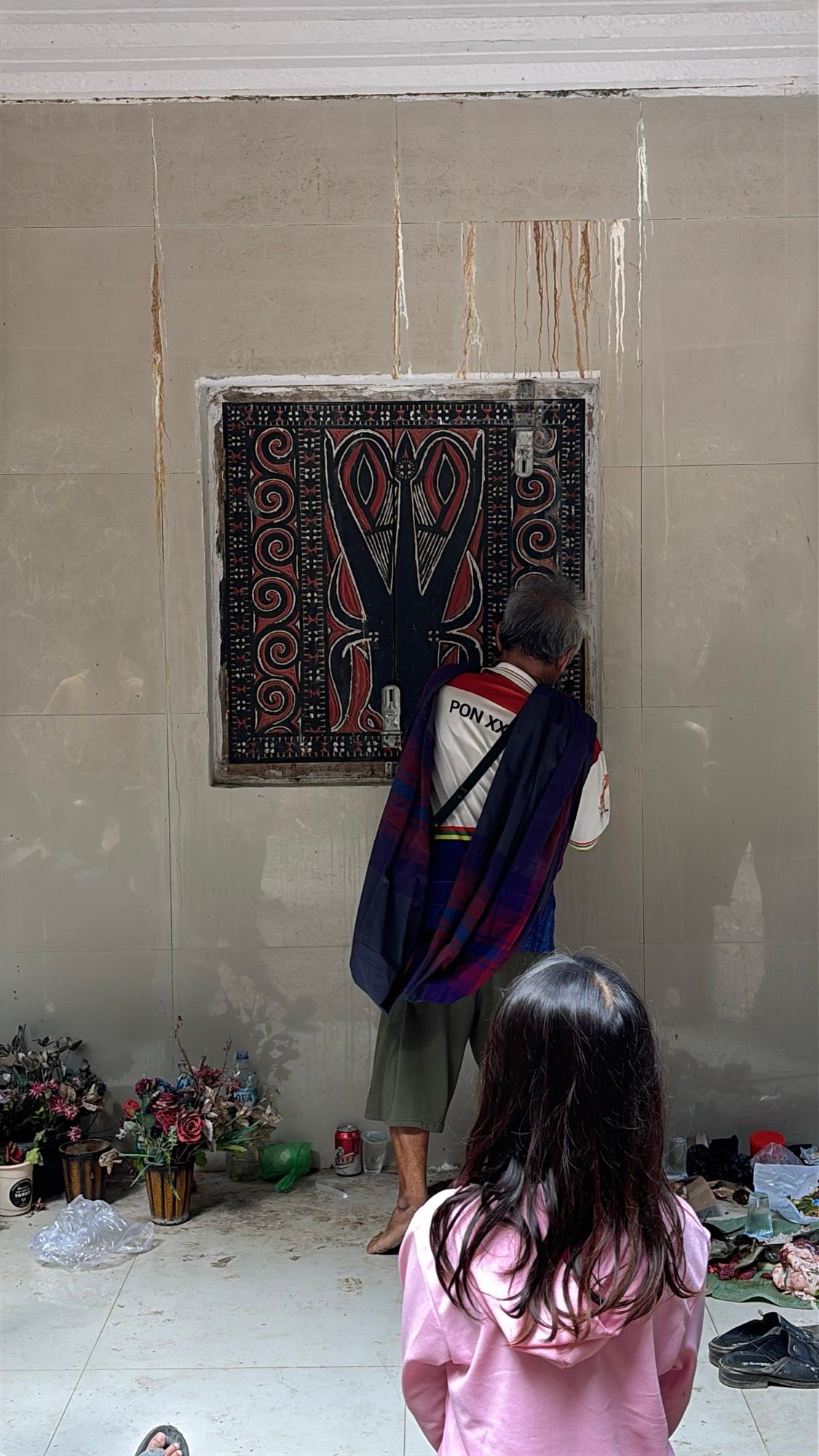
A heavy, dull thud echoed through the air, officially marking the end of the ritual. The faces of the family members were bright with smiles, yet beneath their joy lay a quiet sorrow, as it would be several years before they could reunite with their ancestors again.
Horns of Wealth and the Economics of Tradition
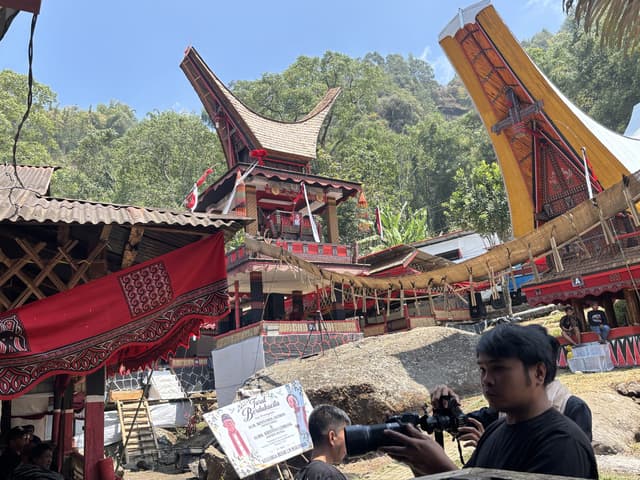
Later, I visited the settlement of one of the wealthiest families in the village. In this region, true wealth is proudly displayed on the facade of the Tongkonan, measured by the sheer number of buffalo horns stacked vertically upon the structure.
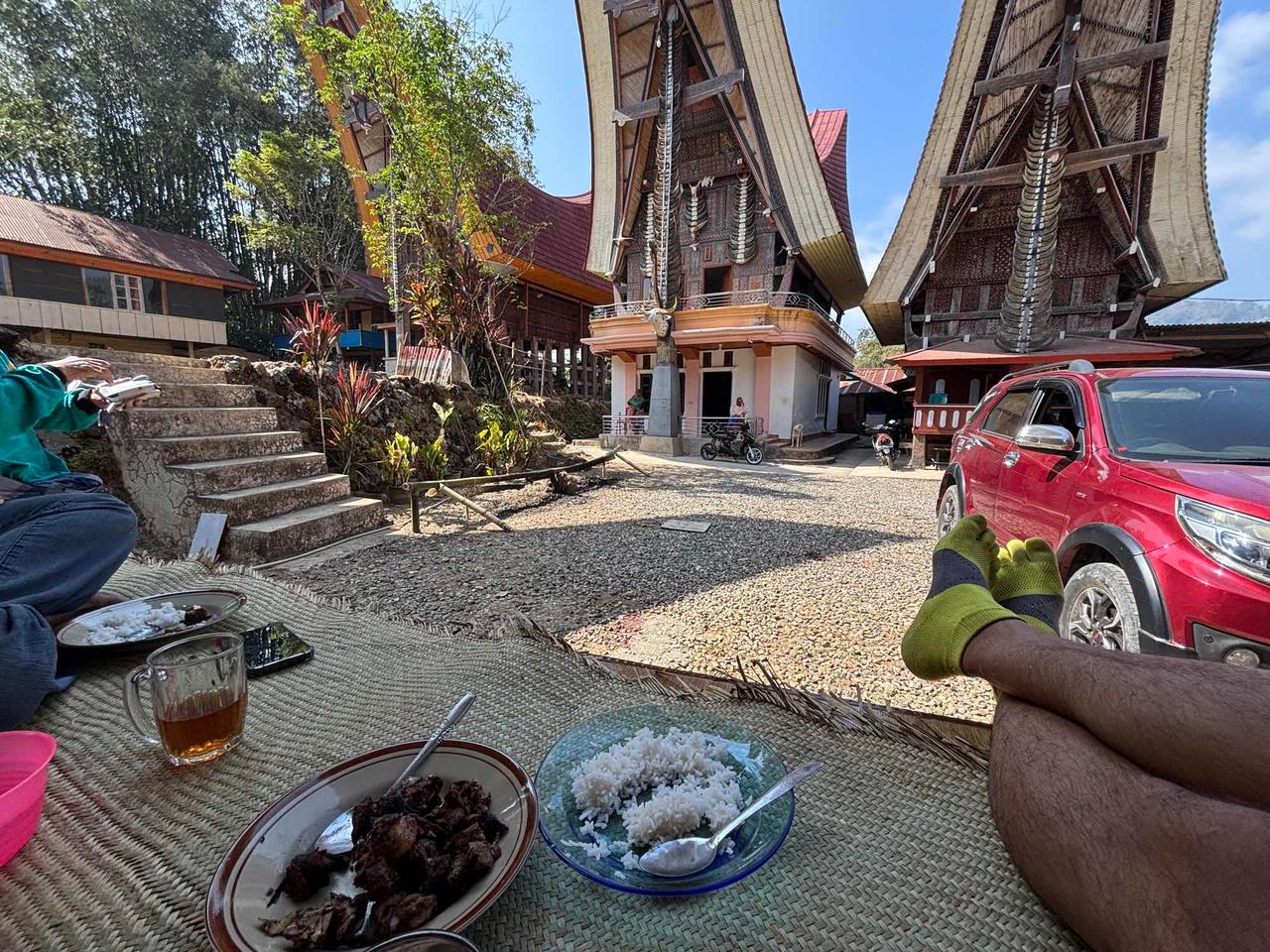
A large crowd gathered in the open square, and suddenly, a lively meat auction began. Cuts of meat were enthusiastically auctioned off for tens of thousands of local currency. The auctioneer even called out the name of the host family accommodating me, playfully pressuring them to make a bid and adding to the vibrant atmosphere of the negotiations.
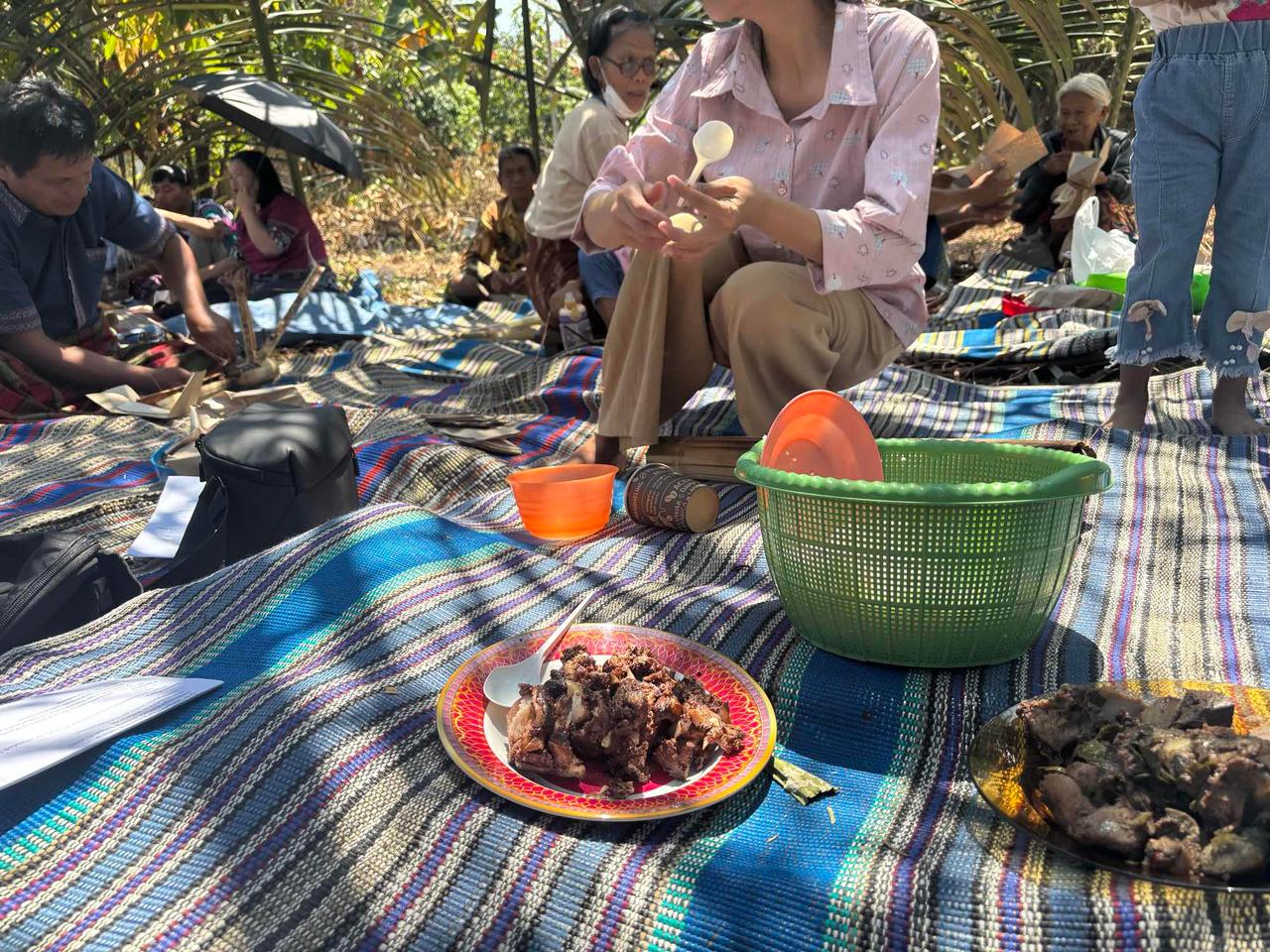
The financial scale of these events is staggering; a single water buffalo can cost millions of yen (tens of thousands of USD), meaning massive fortunes flow through the community during these festivals. When I inquired how such vast sums were raised, I learned that remittances sent by the younger generation working abroad serve as the financial backbone. Without this immense circulation of wealth, sustaining such grandiose cultural traditions would be impossible.
The End of Ma'nene and the Prelude to Rambu Solo
Sharing conversations and quiet moments with the locals, the final day of Ma'nene gracefully came to a close.
Festivals & Rituals
Ma'nene, Day Five: The Toraja Water Buffalo Ceremony That Closes the Circle
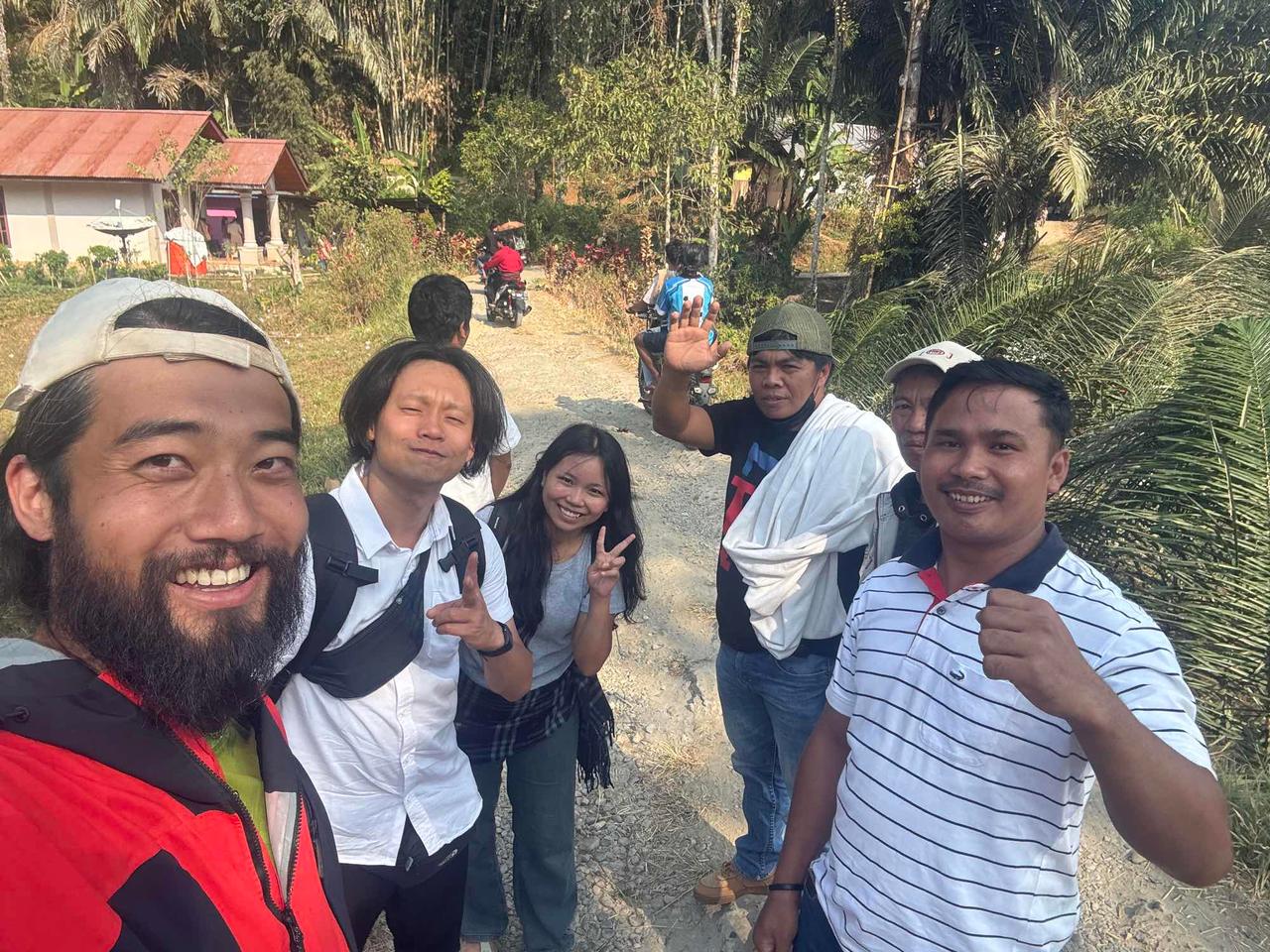
Looking back, the five days had passed in the blink of an eye. Yet, the sheer density of the experience—one that shook the very foundations of how I view life and death—was unparalleled in my life. Immersing myself in their culture and expanding my own worldview has become an invaluable treasure I will never forget.
The following morning, I am scheduled to attend the "Rambu Solo," the grand funeral ceremony that stands as another pinnacle of Torajan culture. As I prepare to witness this magnificent send-off for the dead, I catch my breath, my chest filled with quiet anticipation for the next chapter of this journey.
Festivals & Rituals
Rambu Solo, Day One: Inside a Toraja Funeral Years in the Making