A Morning at the Local Warung
September 8th. The humid morning air clung to my skin as I set out to trace the historical footprints left behind in the outskirts of Makassar.
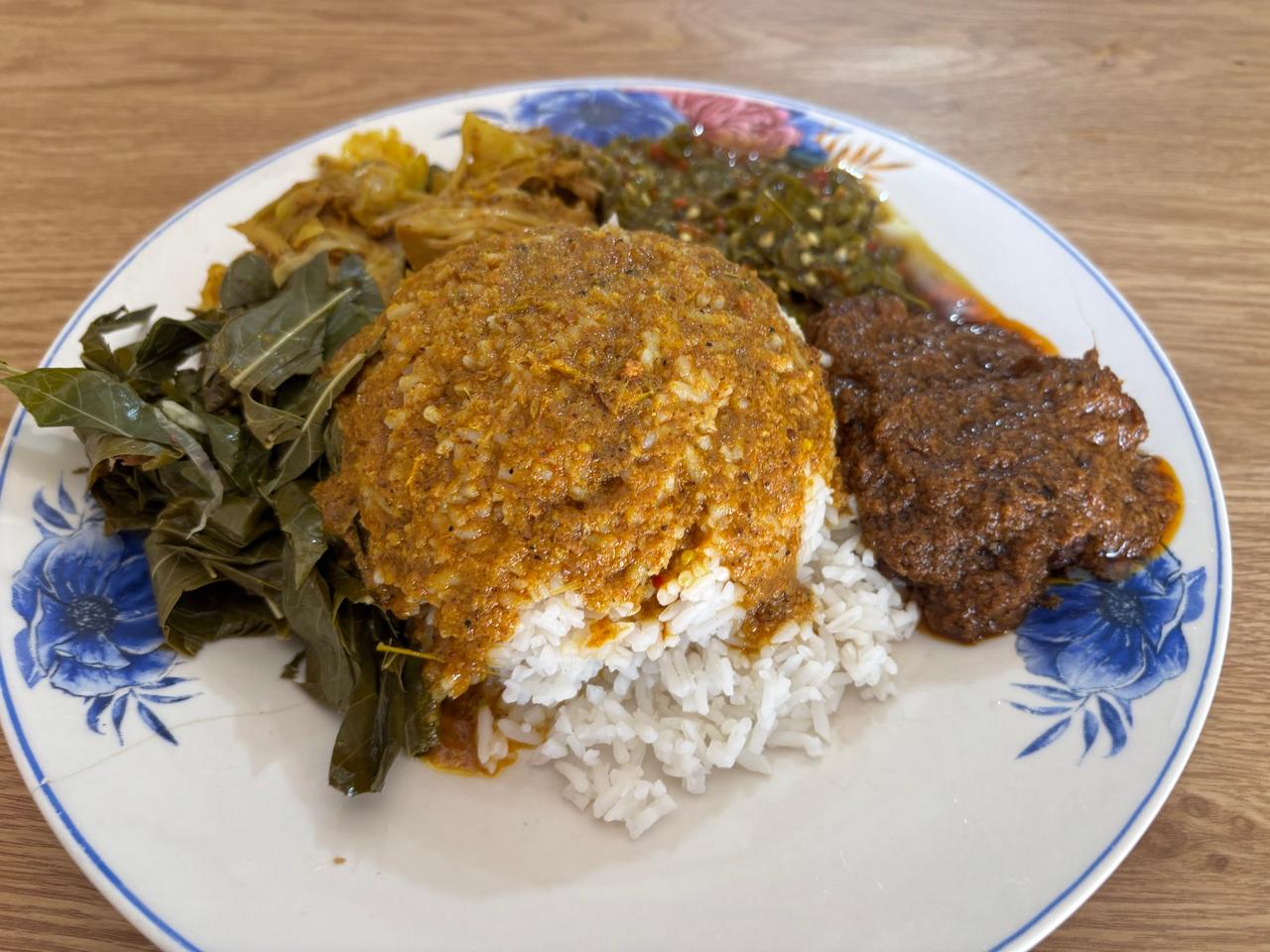
Before diving into the day's exploration, I walked five minutes from my hotel to a small, unpretentious warung (food stall). There, I ordered Nasi Rendang. The meat, slow-cooked in a rich blend of spices and coconut milk with a hint of curry-like flavor, was the perfect stimulation for a waking body. The generous portion cost merely 25,000 IDR (roughly $1.60 USD). With a satisfied appetite, another hot day in South Sulawesi quietly began.
The Wooden Grandeur of the Gowa Sultanate
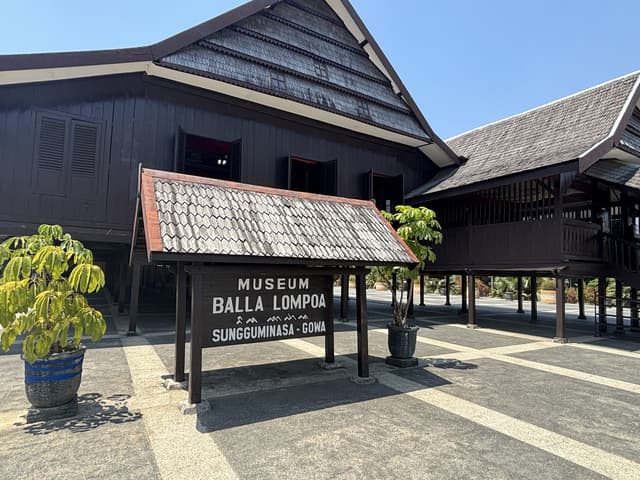
My first destination was the Balla Lompoa Museum.
Museums
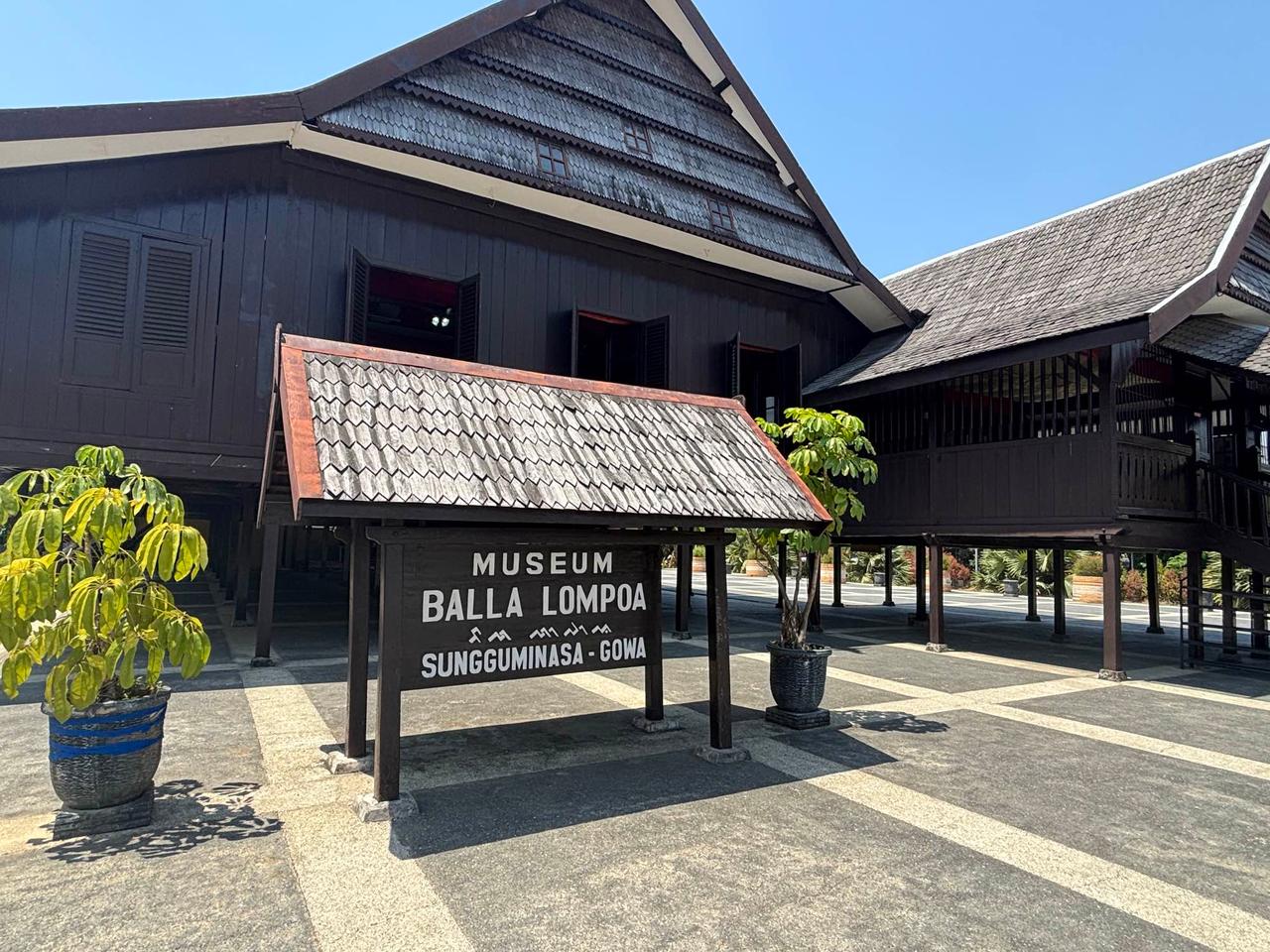
Balla Lompoa: The Last Palace of the Kings of Gowa
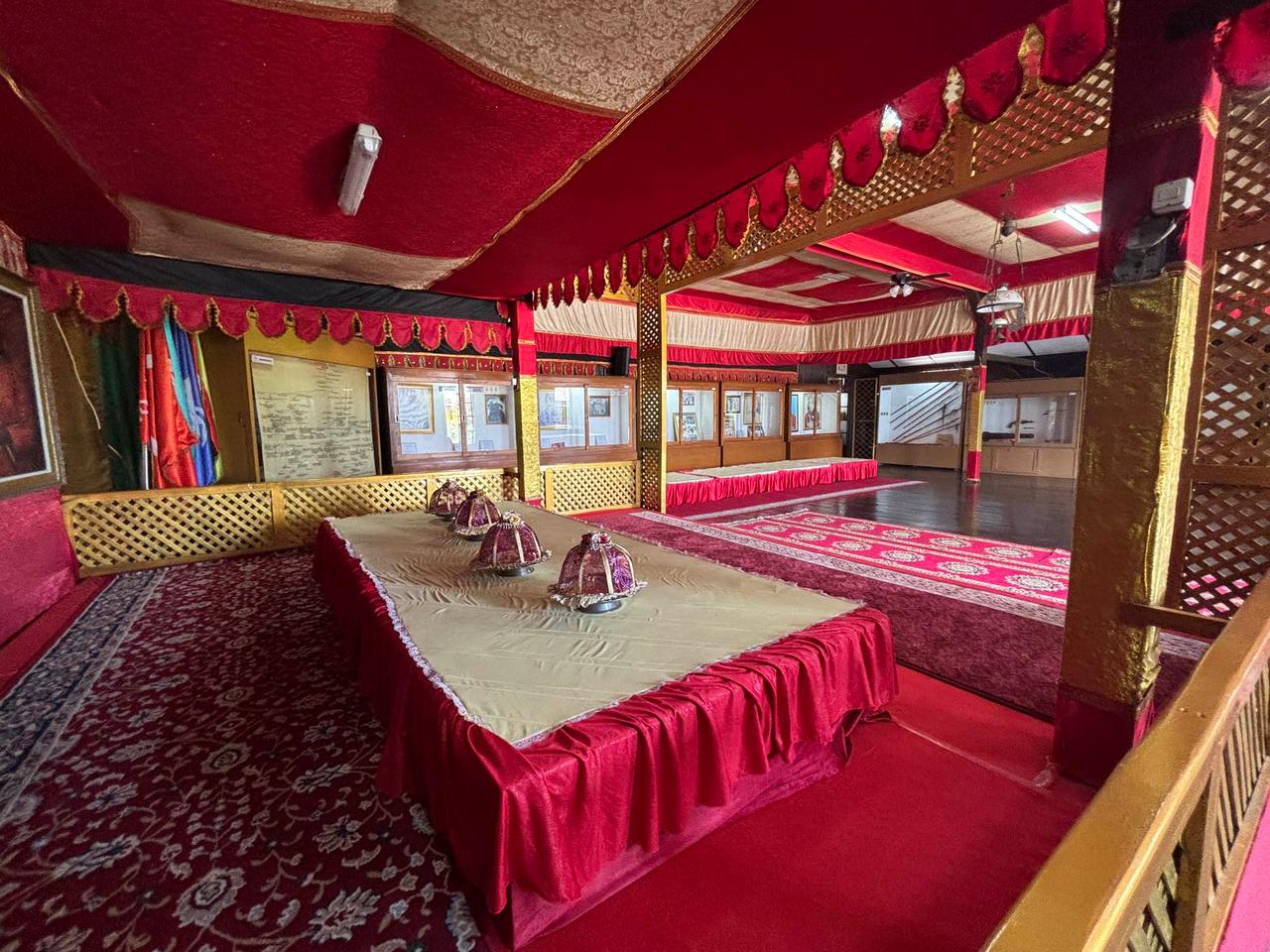
Beyond the entrance stood two massive traditional wooden structures. In the local language, "Balla" translates to house, and "Lompoa" to large. This magnificent complex is a faithful reconstruction of the royal palace of the Gowa Sultanate, which once ruled this region. The main building on the right exuded an aura of dignified majesty. Paying the modest entrance fee of 5,000 IDR (about $0.30 USD), I stepped inside.
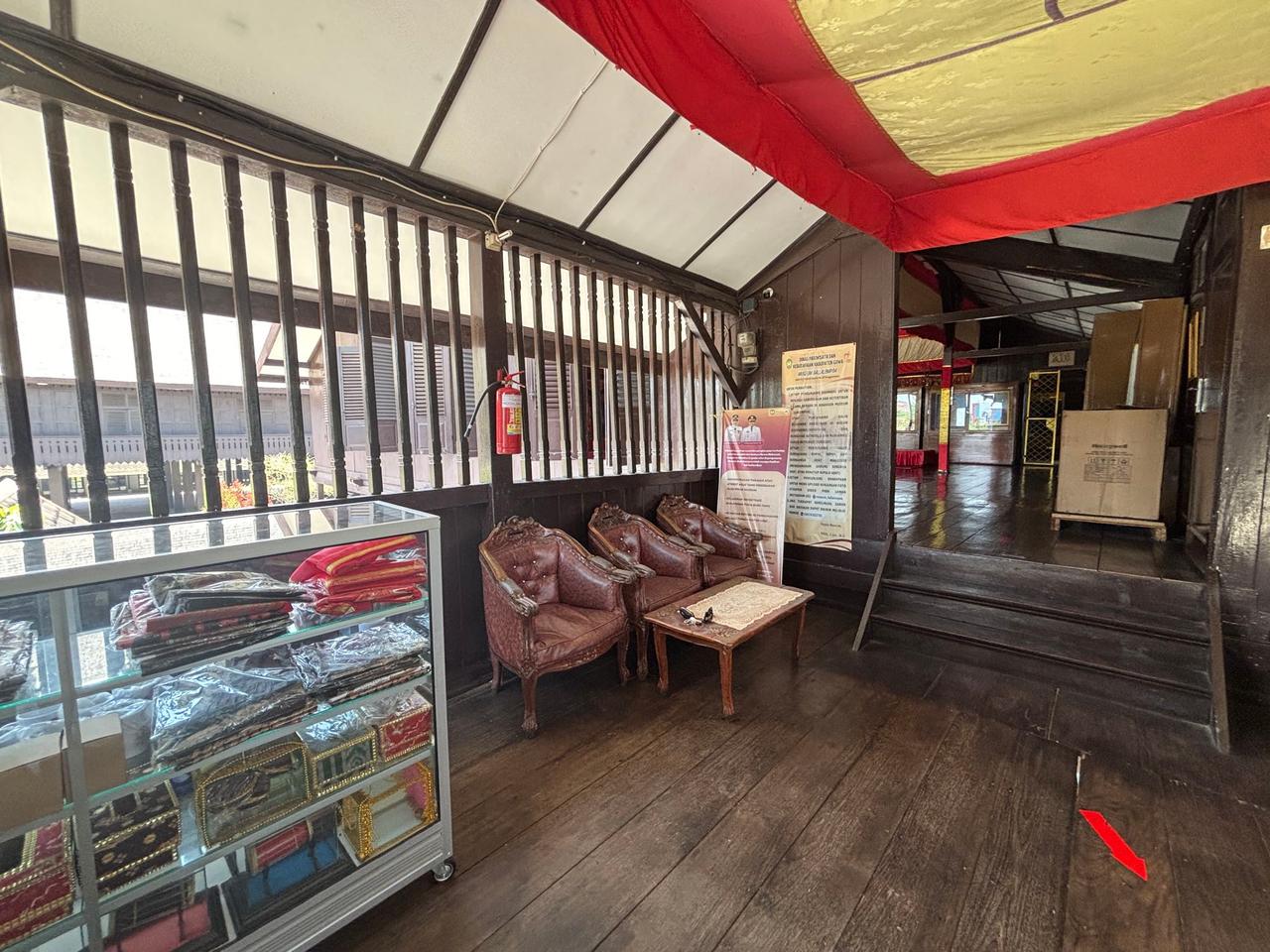
The interior quietly displayed traditional weapons and royal artifacts belonging to the Makassar and Bugis people.
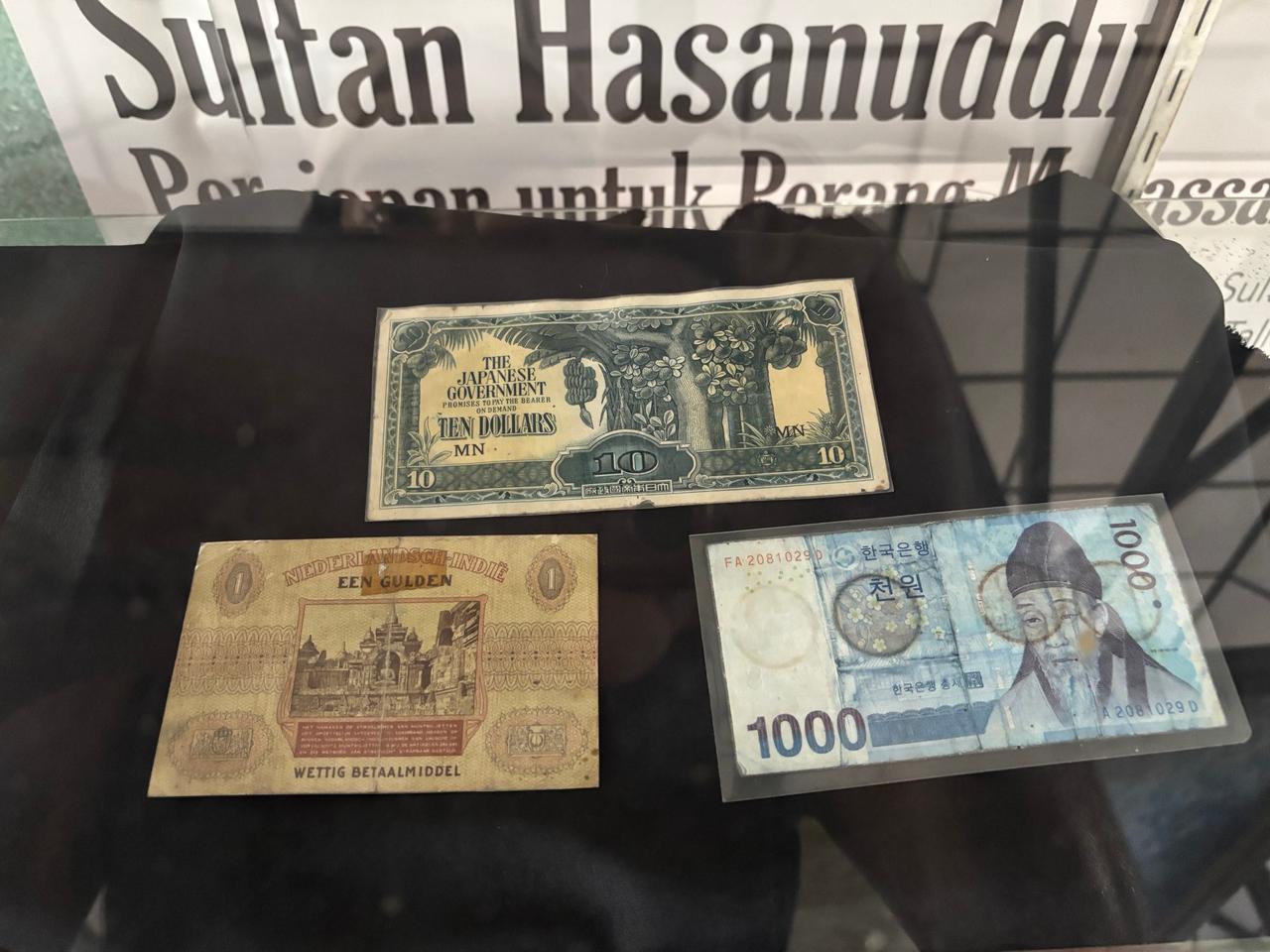
Elsewhere on the grounds stood a smaller museum building housing more exhibits, including a display of old currencies — Japanese wartime notes, Dutch colonial gulden, and Korean won. The remnants of a kingdom powerful enough to mint and circulate its own currency lingered in every corner.
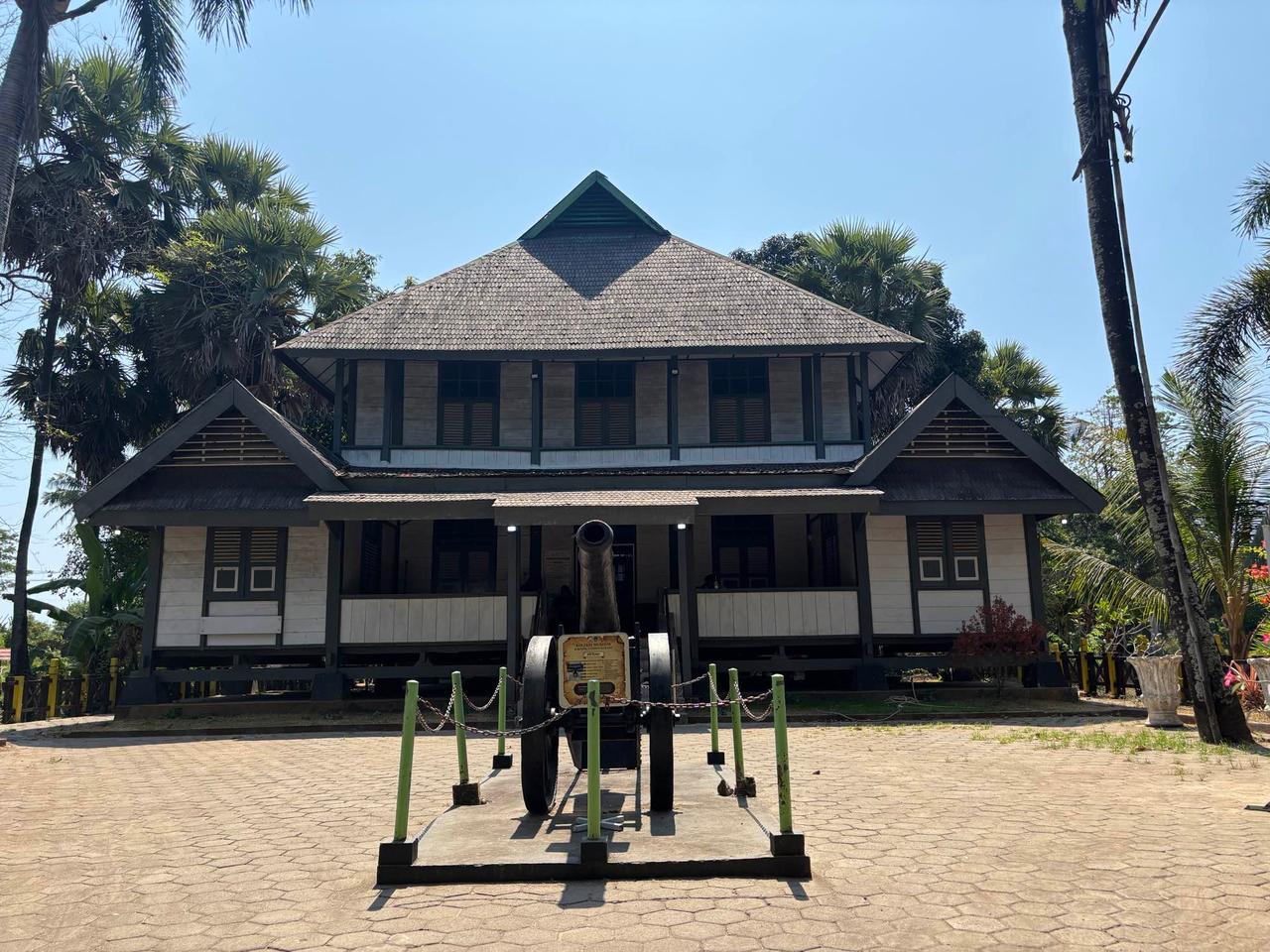
Walking through the spacious halls, I found myself imagining the sights once witnessed by the royalty who resided here.
Fort Somba Opu: Where Past and Present Intersect
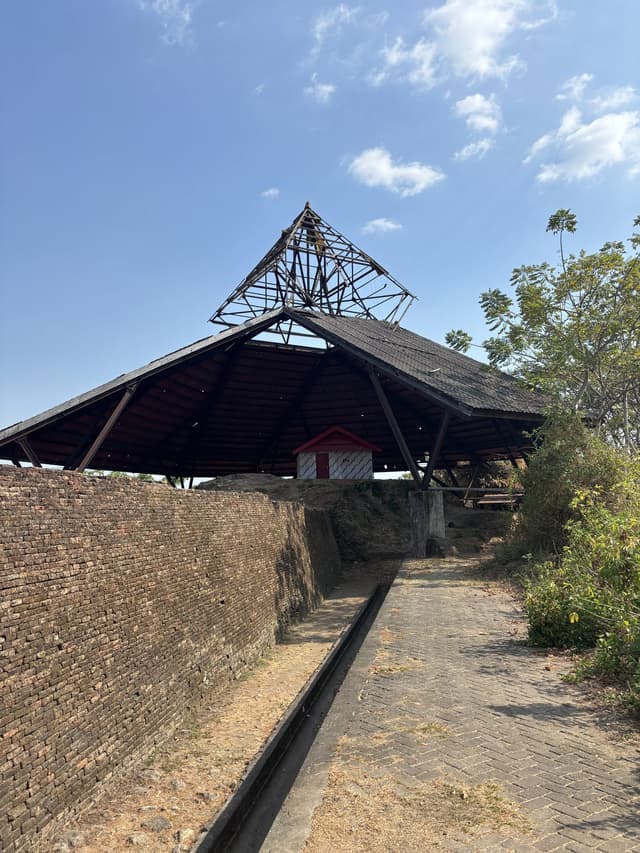
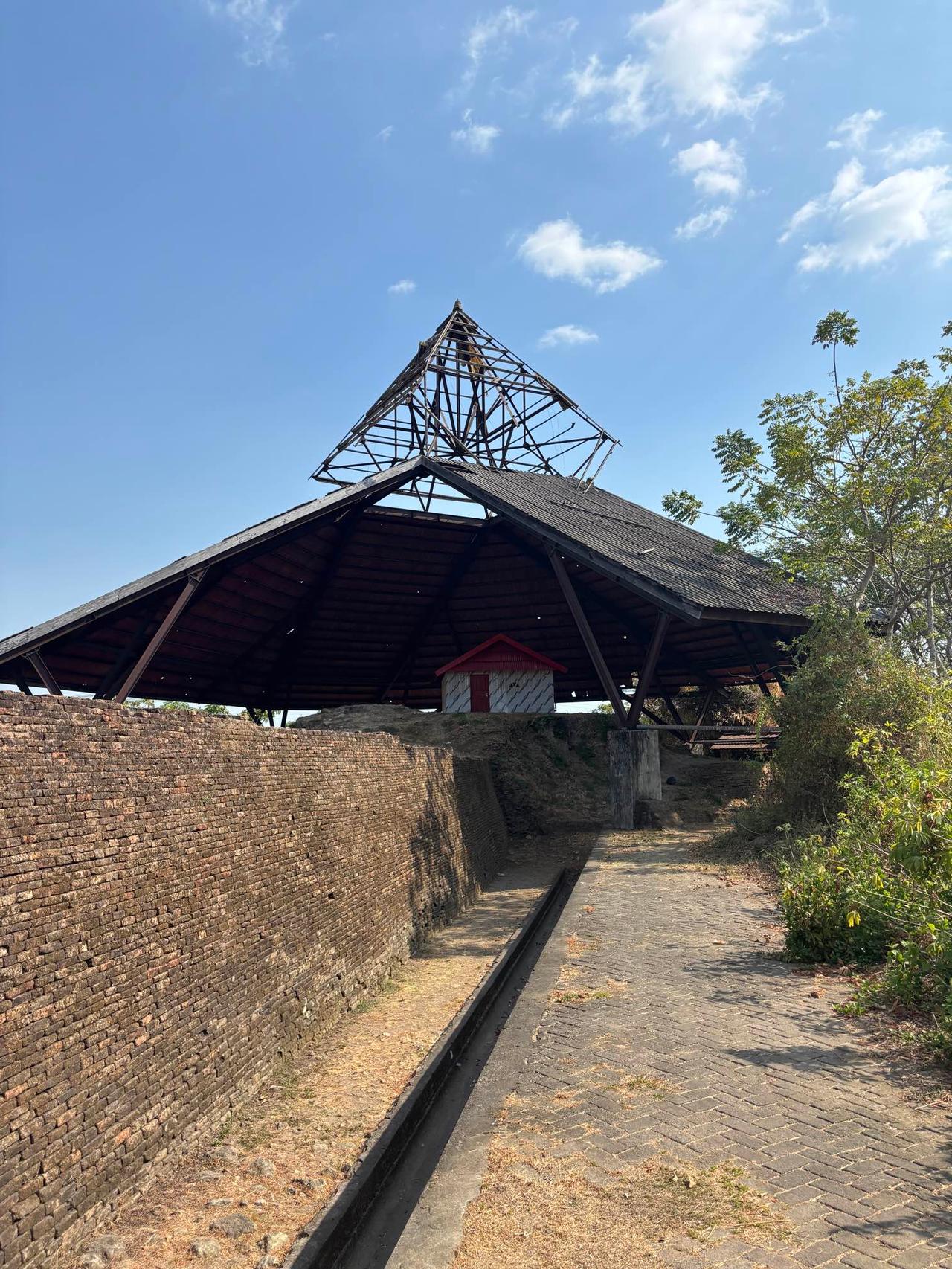
Leaving the museum behind, I walked for about fifteen minutes in the heat until I reached the ruins of Fort Somba Opu.
Traditional Heritage
Somba Opu: The Fortress Gowa Spent 145 Years Building and Lost in Three
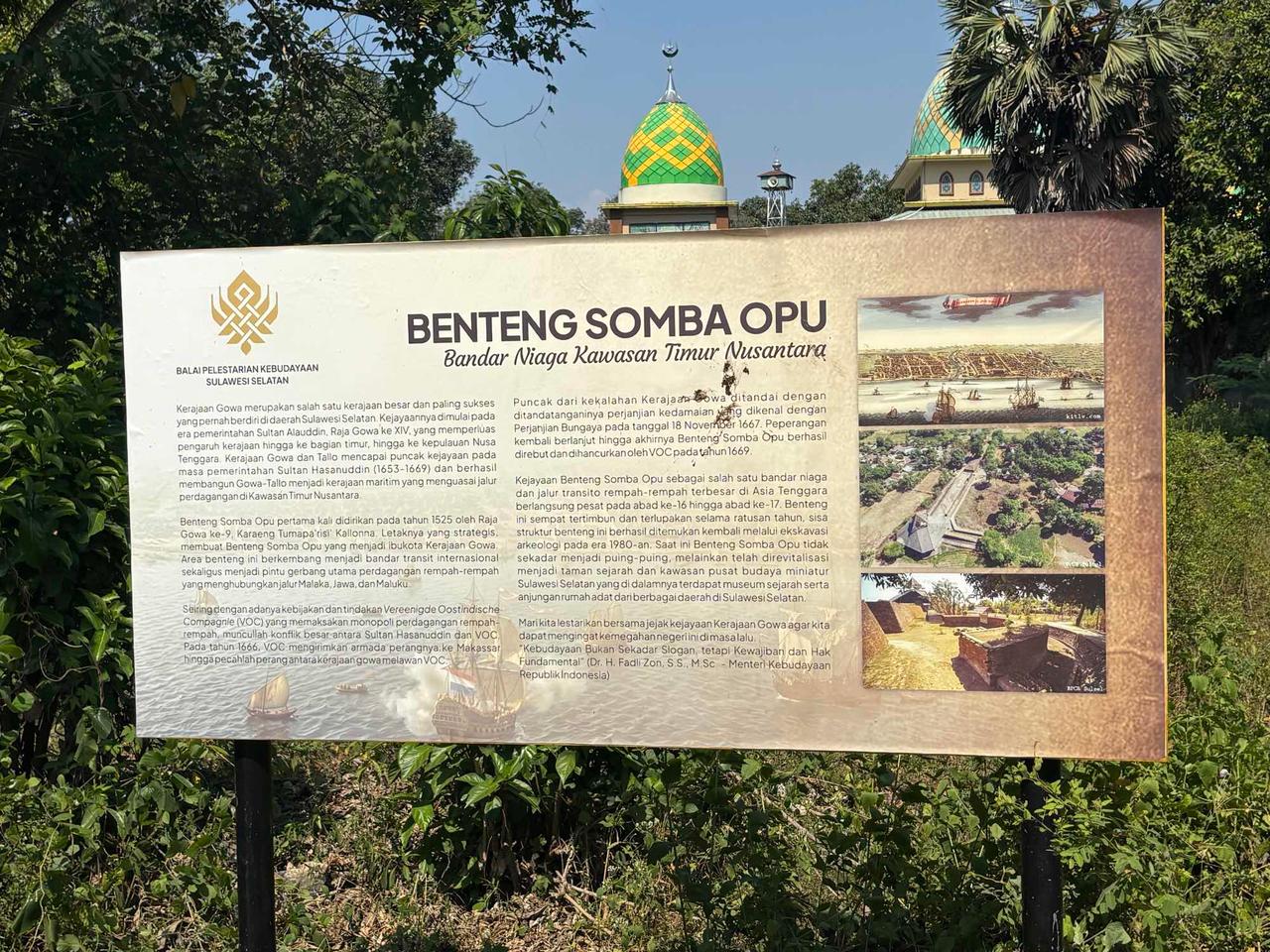
Once a vital defensive stronghold for the Gowa Sultanate, the site proved to be much more than a mere historical preservation area.
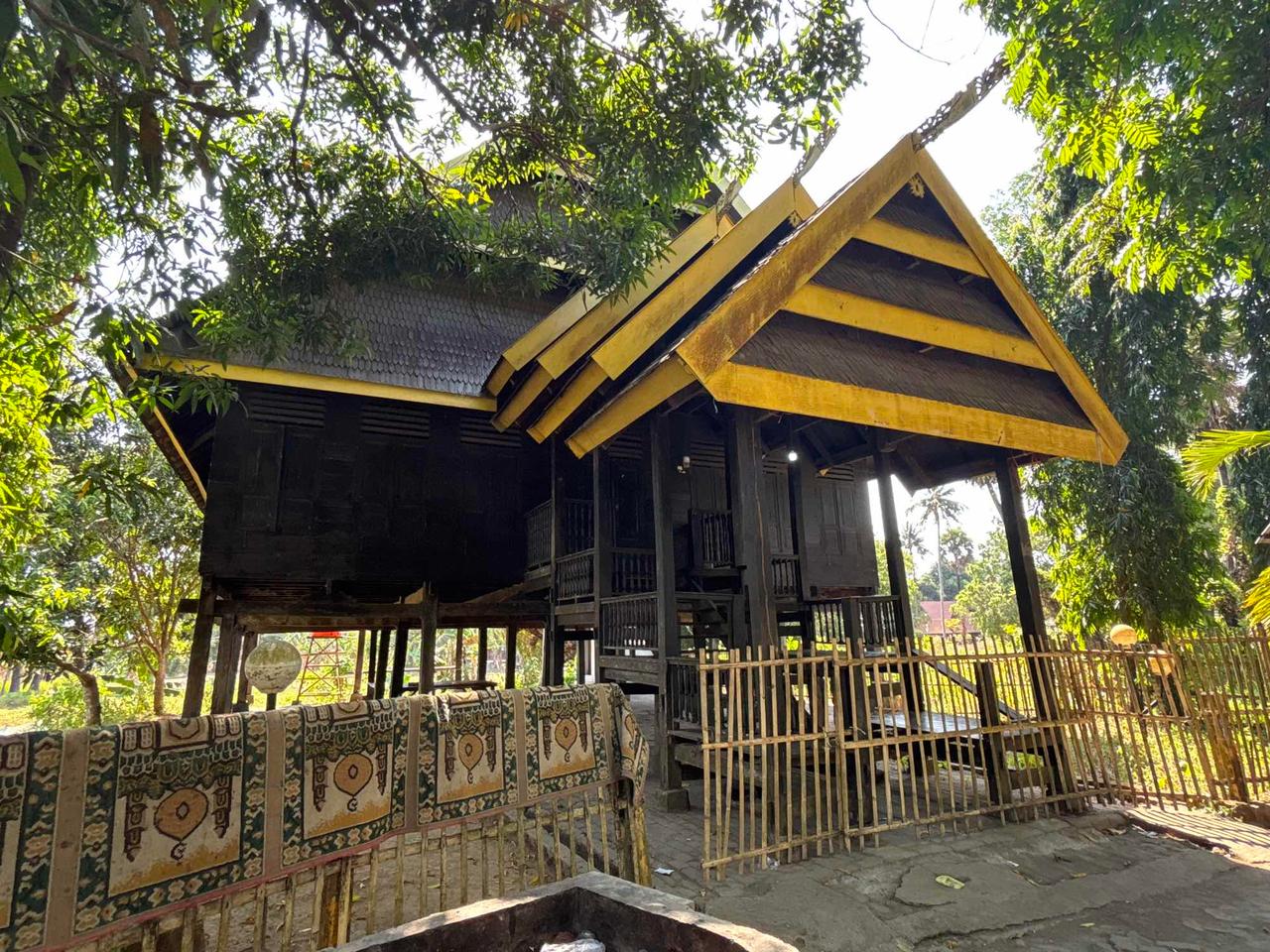
Astonishingly, a vibrant, modern village thrives entirely within the thick earthen ramparts of the old fortress.
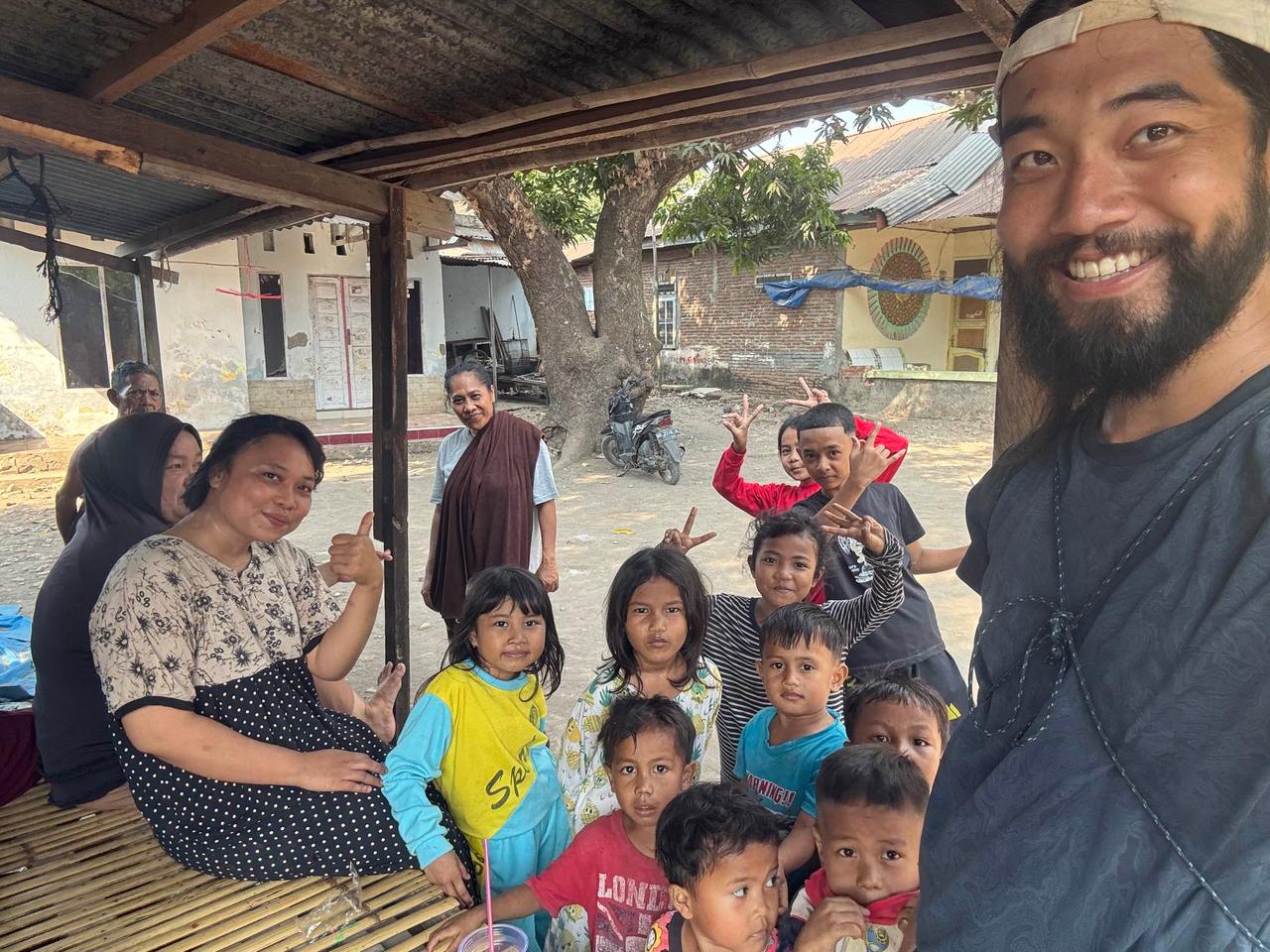
The intersection of archaeological silence and the daily noise of local life silently conveyed that history here is not a relic of the past, but a continuous thread woven into the present.
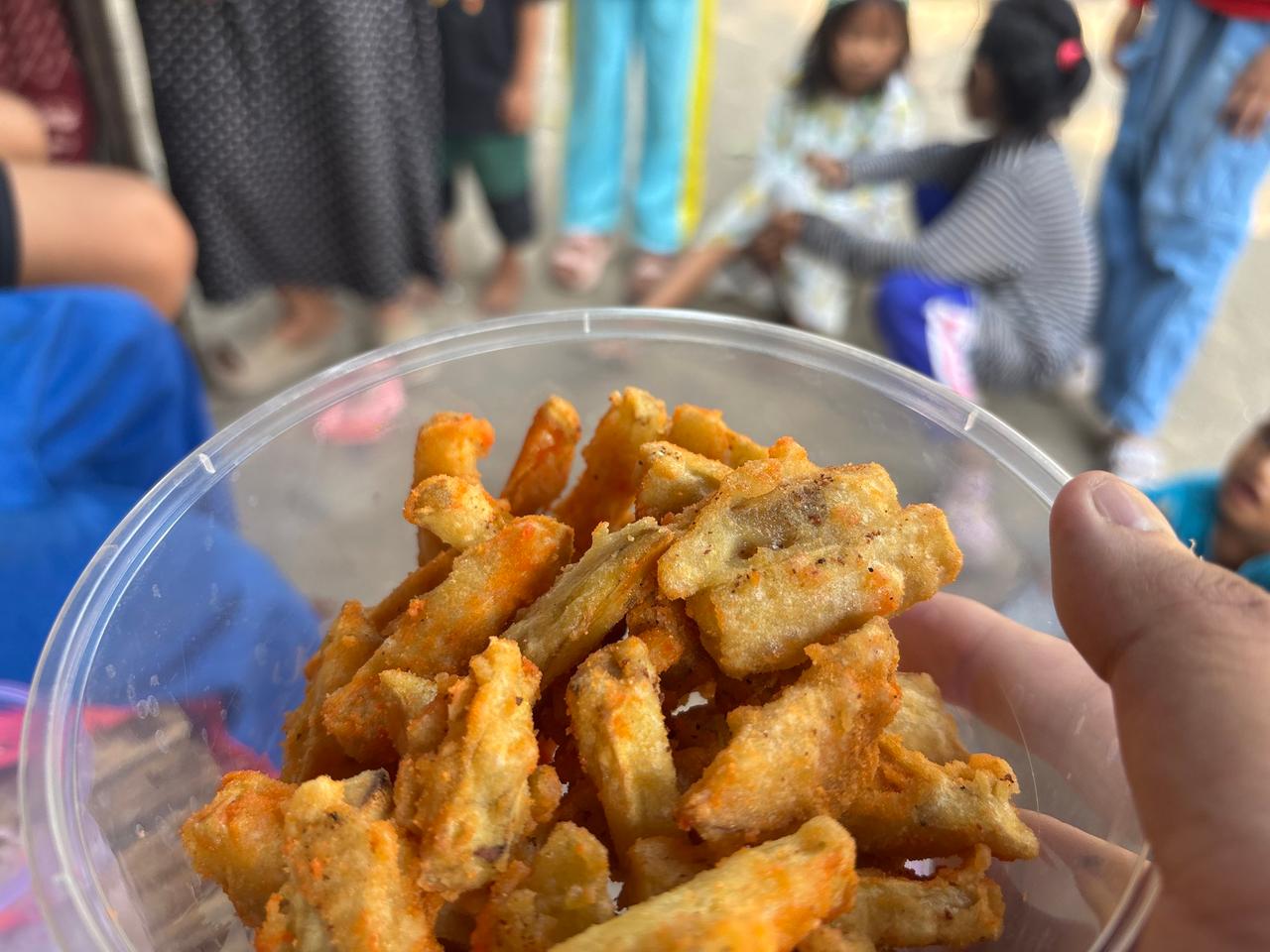
As fatigue began to set in, I sat down to try a local deep-fried snack called Tela-Tela, prepared by the village residents. Its potato-like texture and perfect touch of salt replenished my exhausted body. At 20,000 IDR (roughly $1.30 USD), its simple, unpretentious flavor perfectly mirrored the atmosphere of the village itself.
Evening Generosity and Lingering Warmth
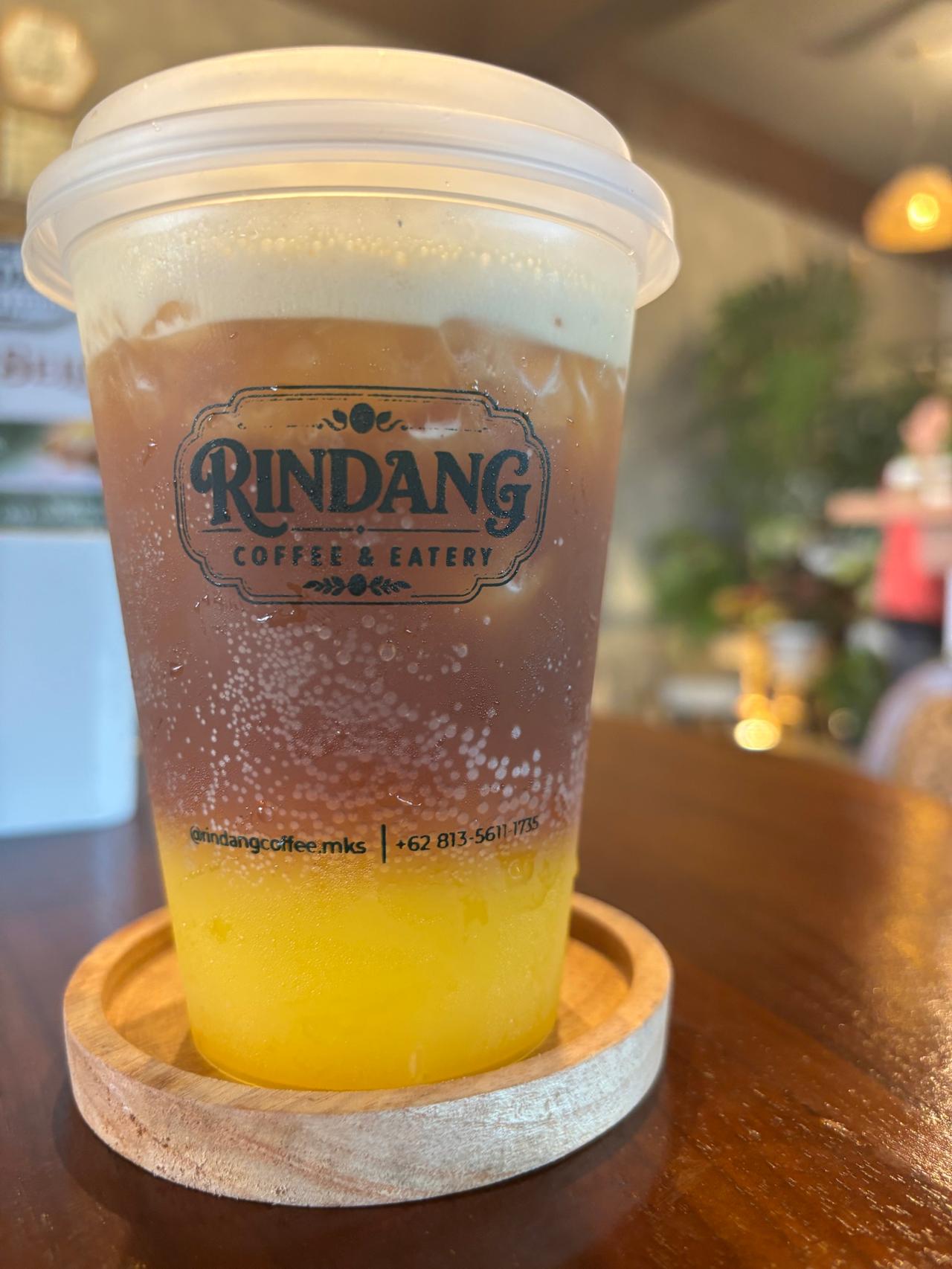
As dusk fell, I quenched my thirst with a sparkling iced lemon tea, allowing the day's heat to slowly dissipate.
Long after the sun had set, I headed to another food stall for dinner. As I finished my meal and prepared to leave, the stall owners unexpectedly handed me a bag containing about ten donuts, completely free of charge. Though we shared no common language, their genuine smiles radiated a natural hospitality toward a wandering traveler.
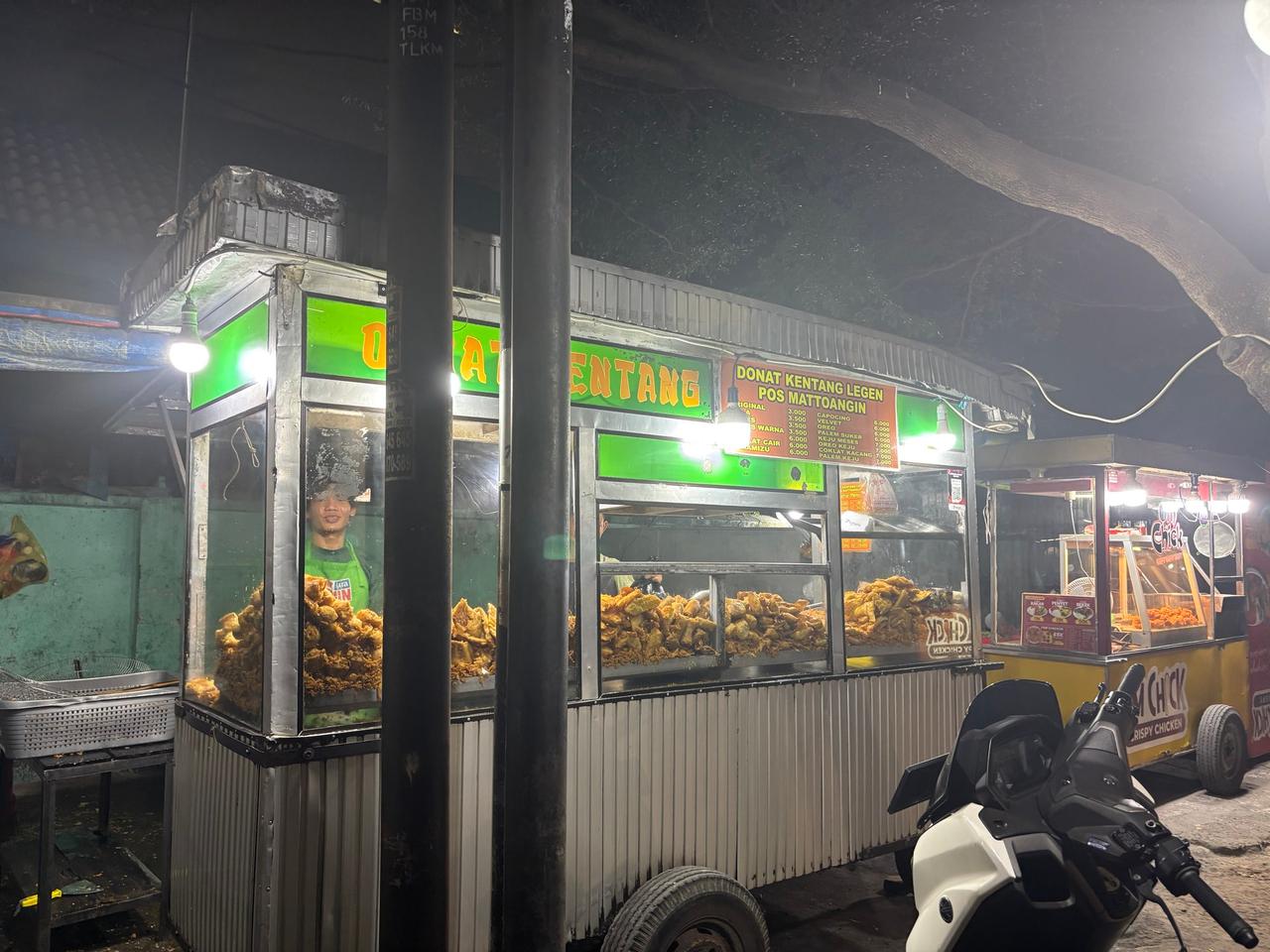
The daily lives sustained for generations within the fortress walls, and the sweet donuts handed to a nameless traveler. These small, profound gestures of warmth I encountered in this foreign land left a lasting impression on me — different from the weight of history, yet equally enduring. Tomorrow, I will set out again to discover another hidden face of this city.