July 2026 — written from Bohol, Philippines
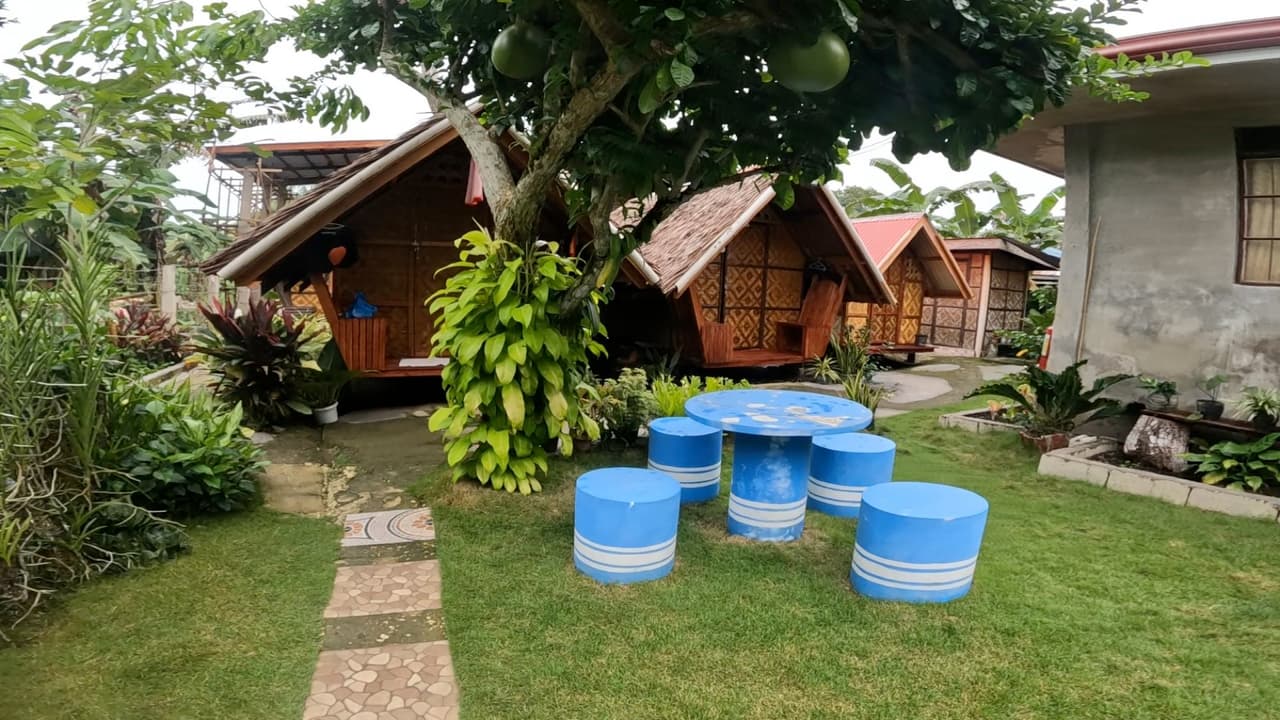
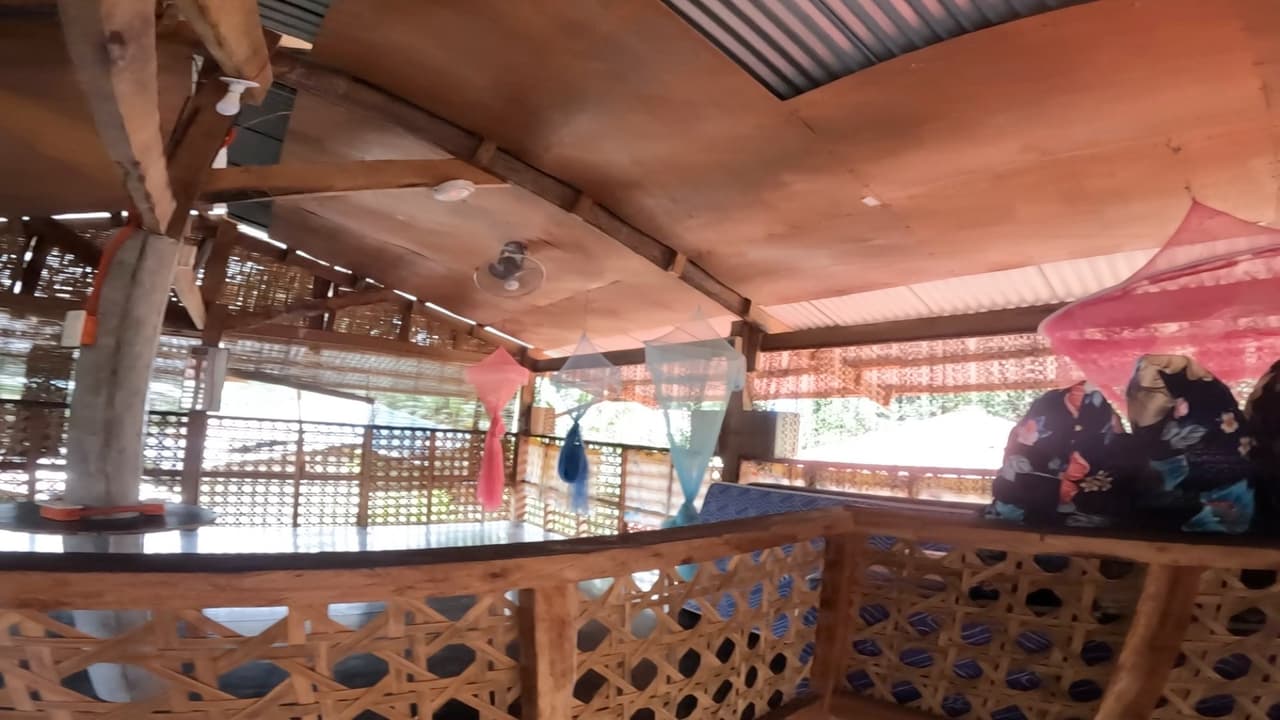
The first thing I noticed was the sound. Lying inside a house made almost entirely of bamboo and palm leaves, you don't get the sealed silence of a concrete hotel room — you get the breeze moving through the walls. From the inside, surrounded by bamboo on every side, it honestly felt like lying in the middle of a bamboo grove. And in a country as hot as the Philippines, that constant airflow turned out to matter far more than I expected.
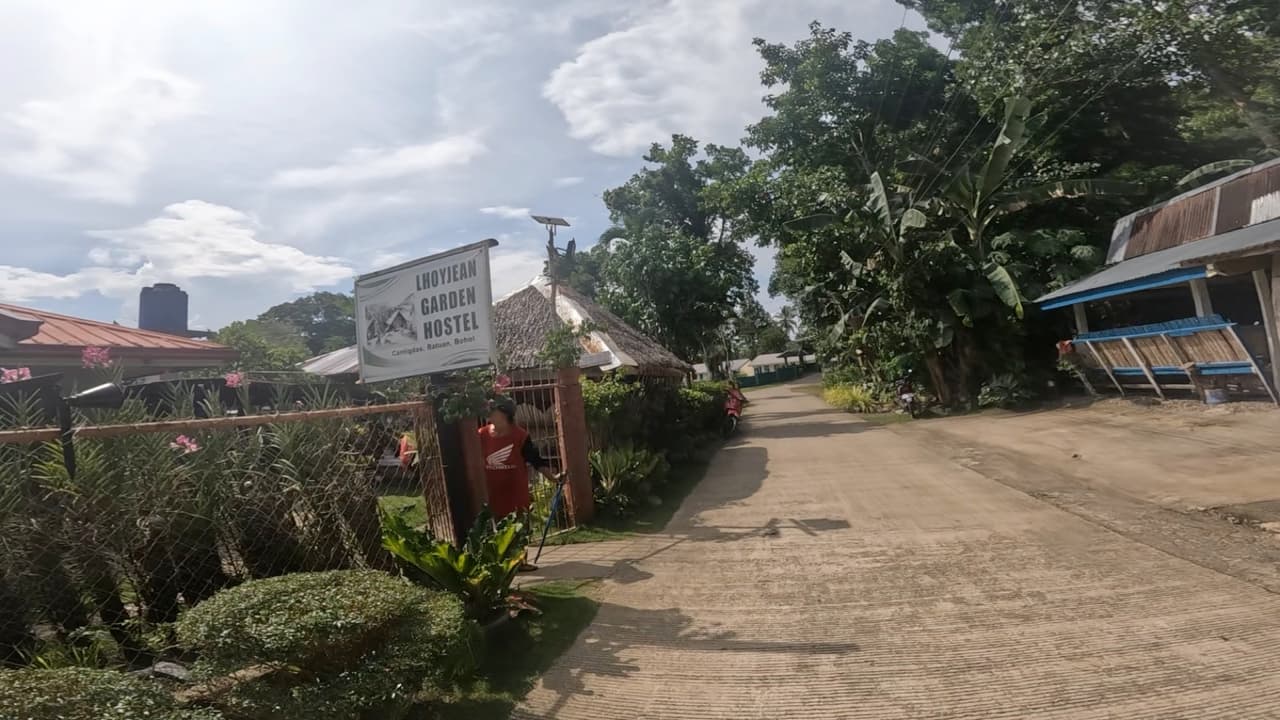
From June 26 to July 1, I stayed at Lhoyjean Garden Hostel in Batuan, in the middle of Bohol island in the central Philippines — a small family-run place built around bahay kubo, the traditional Filipino stilt house you've probably seen in photos of the rural Philippines even if you didn't know its name. It's about a five-minute drive from the Chocolate Hills, and at the time of writing it's the top-rated hostel on the entire island. The price? $5.50 USD a night (around ₱310). Instead of just looking at one of these houses from the outside, I got to actually live in one for five nights. This is what a bahay kubo is, how it's built, and what it's genuinely like to sleep in.
What Is a Bahay Kubo?
The bahay kubo (sometimes written "bahay-kubo") is the traditional house of the lowland Philippines, and one of the most recognizable icons of Filipino culture. In English it's often called a "nipa hut," a term introduced during the American colonial era, referring to the nipa palm leaves commonly used for the thatched roof — though not every bahay kubo actually uses nipa.
The name itself is simpler than I first thought. Bahay is the Tagalog word for "house." During my stay, I was told kubo carries a sense of "relaxing" — and after a few nights inside one, I completely understood why someone would describe it that way. But to be accurate: kubo actually means "hut," tracing back to a Proto-Malayo-Polynesian word for a field hut in the rice paddies. So bahay kubo is, roughly, a "country house." Still, the relaxed feeling is real. Whatever the dictionary says, the house lives up to the folk meaning.
The design goes back to pre-colonial times, built to handle the archipelago's typhoons, floods, and year-round tropical heat using materials that grow right there — which is exactly what makes it interesting to stay in today.
How a Bahay Kubo Is Built
The one I stayed in followed the classic construction almost exactly. The structural frame — posts, floor, walls — is bamboo. The roof is thatch made from nipa palm and coconut leaves, layered into a steep pitch. One honest modern detail: underneath the thatch, mine had a layer of corrugated sheeting — a common adaptation you'll see in newer bahay kubo, adding waterproofing without changing the look or the airflow. Beyond that, essentially everything you can see and touch grew nearby.
Each part of the house has a job. The tall, steep roof (bubong) is designed for airflow and passive cooling, and angled to shed water in the rainy season. The house stands on stilts, and the shaded space underneath (silong) protects against flooding and pests. The living space (silid) sits above it, positioned to catch fresh air and natural light. The walls (dingding) are lightweight bamboo, again built with airflow in mind.
When you see it in person, the logic is obvious. The gap under the floor isn't decorative — air moves through it constantly, cooling the floor you're sitting on. You feel the difference the moment you climb the steps.
What It's Actually Like Inside
Compact. That was my first impression. This will vary from building to building, but the one I stayed in was a genuinely small space — I'd say comfortable for one person living simply, and cozy (in both senses) for more. If you're used to resort rooms, adjust your expectations. At $5.50 a night, though, I had zero complaints.
But here's the thing that surprised me most: I never felt hot.
The Philippines is intensely hot and humid — very similar to a Japanese summer, actually, which is the comparison I kept making in my head. As someone from Japan, I know exactly what that sticky, trapped-heat feeling is like inside a building. The bahay kubo simply didn't have it. The windows are built large, the walls themselves breathe, and air flows under the floor. Humidity never pooled inside the room.
My room had no air conditioning at all — just an electric fan. And honestly, most of the time I didn't even turn the fan on. The natural ventilation alone kept the room feeling cool. Compared to a standard concrete room in the same climate, it was a far more comfortable place to just exist. That's not something I expected to write about a house made of leaves.
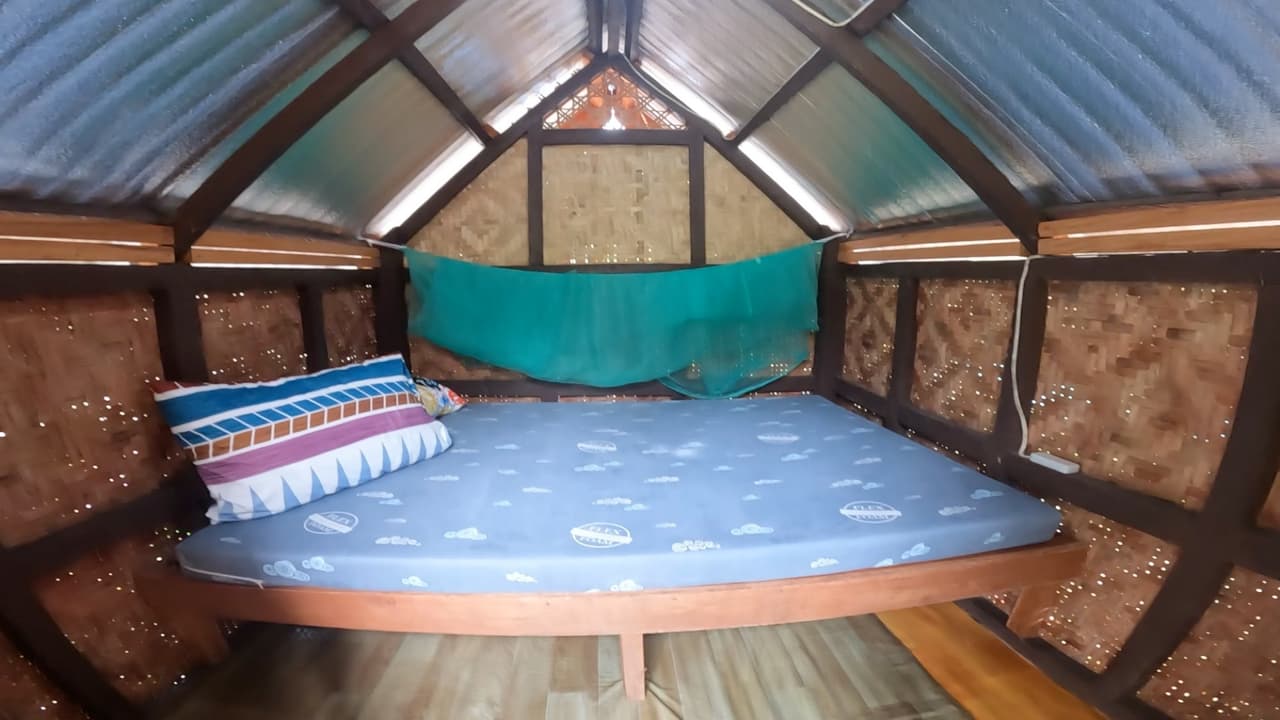
And there's the atmosphere. Because everything around you is bamboo — floor, walls, ceiling frame — being inside feels less like being in a room and more like being inside the landscape. It's the kind of space where you put your phone down without deciding to.
Can a Leaf Roof Survive a Tropical Downpour?
I got to test this the hard way. Partway through my stay, a serious rainstorm rolled in — the kind of heavy tropical rain that makes you look up at a roof made of palm leaves and think, well, this should be interesting.
Not a single drop came inside. The steep pitch and the layered roof — thatch over that corrugated underlayer — did exactly what they were designed to do, shedding water completely. Full credit where it's due: the sheeting is doing part of the waterproofing work in a modern bahay kubo like this one. But the steep thatched design is what throws the water off in the first place, and the room stayed dry and, remarkably, still cool and well-ventilated through the whole storm. I went in half-expecting a leaky, rustic experience; what I got was a house that handled a downpour better than some concrete buildings I've stayed in, where water finds its way through window frames.
Staying at Lhoyjean Garden Hostel
A quick word on the place itself, because it made the experience.
The hostel is run by a couple, Lhoy and Jean, and their hospitality was honestly the highlight of the whole stay. From the moment I arrived they were all smiles, welcoming, constantly checking that I had what I needed. At one point I mentioned wanting to go out somewhere, and their response was basically "if it's nearby, hop on" — and they took me by tricycle to a local carinderia, one of the small canteen-style eateries where Filipinos actually eat every day. That kind of casual, unprompted kindness is the thing I'll remember longest from Bohol.
Some practical notes:
- Bathroom and toilet are shared, in a separate building close by — and both were spotless. The cleanliness of the toilet genuinely impressed me (and as a Japanese traveler, my bar for toilets is high).
- Wi-Fi was strong — noticeably strong, including in the spacious shared kitchen. If you're working remotely on a budget, this matters.
- There's a resident dog, round and extremely cute. This affected my review score more than I'd like to admit.
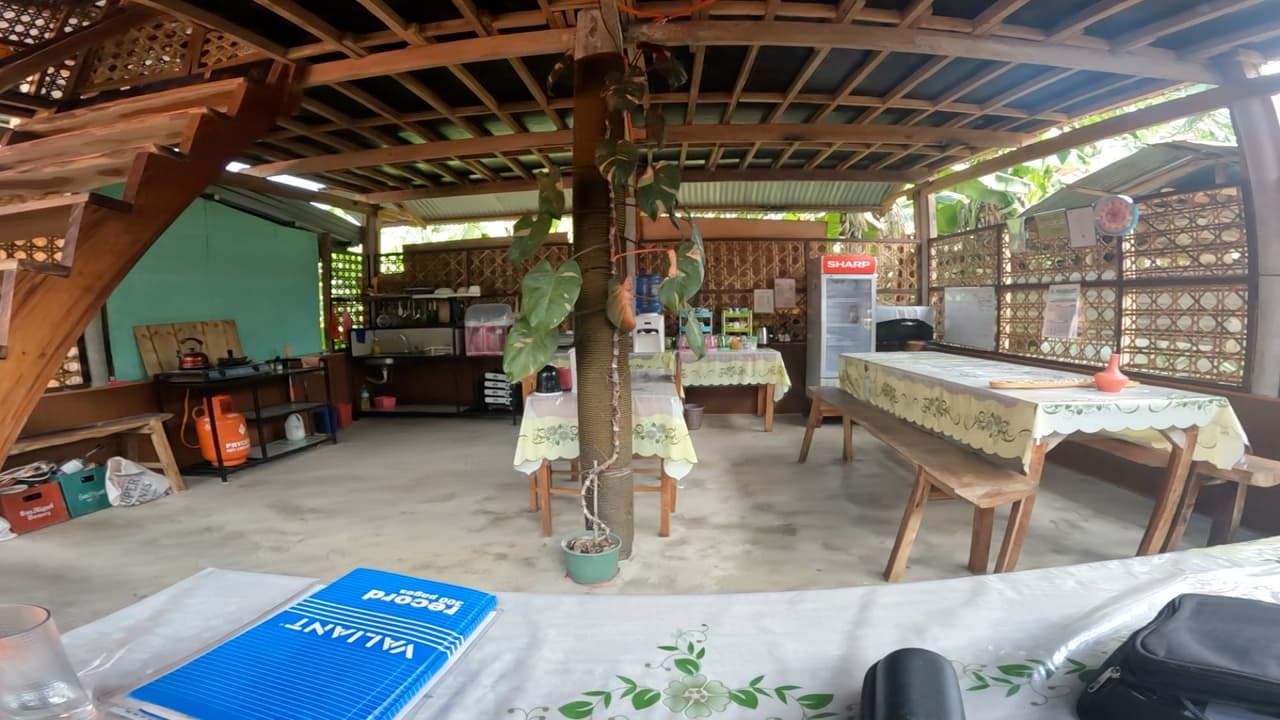

- Location: Batuan, central Bohol — around 5 minutes by car from the Chocolate Hills viewpoint area, which makes it a smart base if you want to catch the hills at sunrise before the tour buses arrive.
I'm clearly not the only one who left impressed: as of July 2026 it's rated around 9.8 on Hostelworld and ranked the #1 hostel on Bohol. You can book it on Hostelworld or Booking.com.
A House Designed for This Exact Climate
What stayed with me is that none of this comfort comes from technology. It comes from a design refined over centuries for one specific climate.
Raising the house on stilts lets air circulate beneath the floor and through the structure, keeping the interior cool, while also protecting against floods and pests. The lightweight, flexible materials even help the house withstand strong winds during tropical storms. Modern architects talk about "passive cooling" as if it's a new idea; Filipinos solved it with bamboo and palm leaves long before air conditioning existed.
There's a sustainability angle here that felt very real on the ground, not just theoretical. Bamboo grows fast. Nipa and coconut palms are everywhere in the Philippines. When a roof wears out, you re-thatch it with material from down the road. The bahay kubo is a genuinely green structure, built entirely from organic, local, renewable materials — and it has been for centuries.
Japan and the Philippines share the same basic climate problem — high heat, high humidity — and Japan also has its own tradition of breathable wooden architecture that we've largely traded away for sealed, air-conditioned boxes. Staying here, I kept thinking: I'd love to see houses like this in Japan again. Not as nostalgia, but because the design genuinely works, and the planet would thank us for it.
Should You Stay in One?
If you're traveling to Bohol and you have the option, yes — at least for a night or two. A few honest caveats:
- It's small. Great for solo travelers or couples packing light; tight for families with lots of luggage.
- No air conditioning (at least where I stayed). For me the ventilation genuinely made it unnecessary, but if you can't sleep without AC, know what you're signing up for.
- Bathroom is shared and outside the hut. Immaculately clean in my case, but it's a short walk.
- You'll hear nature. Thin natural walls mean roosters, rain, and wind are part of the experience. I found it relaxing; light sleepers may want earplugs.
None of these are complaints. They're the point. You're not staying in a hotel room that happens to look traditional — you're staying in a working example of how people in this climate lived comfortably for centuries without electricity, for less than the price of a coffee and cake back home.
On my last morning, sitting on the floor with the breeze coming through the walls, I realized the folk meaning of kubo I'd been told — "relax" — might be etymologically wrong but experientially perfect. Some houses you stay in. This one you feel.
Planning a Bohol trip? I'm putting together a practical guide on getting around the island — coming soon on hirotheworld.
Quick facts (as of July 2026): I paid $5.50 USD (~₱310) per night at Lhoyjean Garden Hostel, June 26–July 1, 2026. Rates may change — check current prices before booking.